
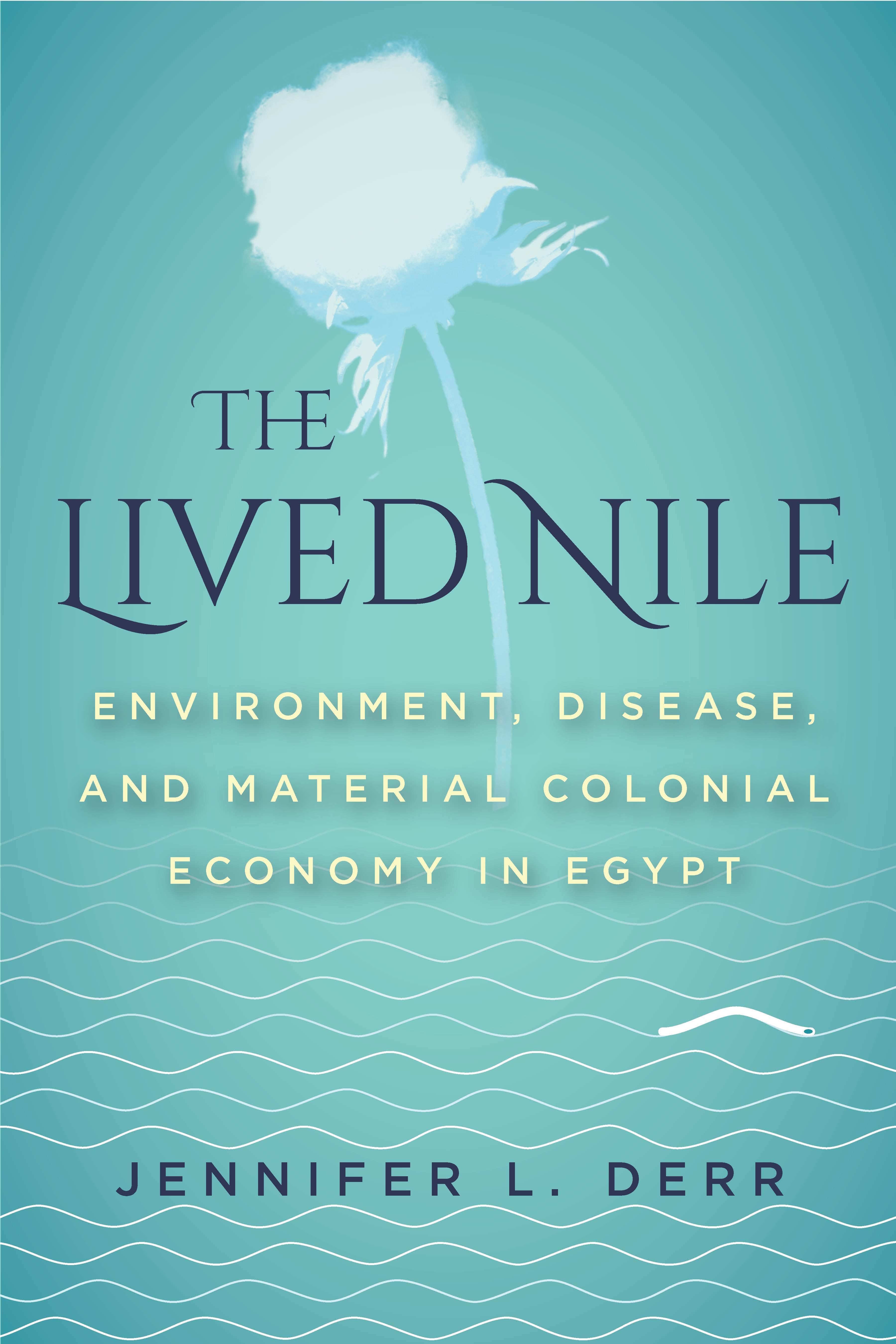
In October 1902, the reservoir of the first Aswan Dam filled, and Egypt's relationship with the Nile River forever changed. Flooding villages of historical northern Nubia and filling the irrigation canals that flowed from the river, the perennial Nile not only reshaped agriculture and the environment, but also Egypt's colonial economy and forms of subjectivity.
Jennifer L. Derr follows the engineers, capitalists, political authorities, and laborers who built a new Nile River through the nineteenth and early twentieth centuries. The river helped to shape the future of technocratic knowledge, and the bodies of those who inhabited rural communities were transformed through the environmental intimacies of their daily lives. At the root of this investigation lies the notion that the Nile is not a singular entity, but a realm of practice and a set of temporally, spatially, and materially specific relations that structured experiences of colonial economy. From the microscopic to the regional, the local to the imperial, The Lived Nile recounts the history and centrality of the environment to questions of politics, knowledge, and the lived experience of the human body itself.
Paga fácilmente con tarjeta, Klarna, Apple Pay o Google Pay. ¿No estás contento? Siempre tienes 14 días de garantía de devolución. Lee más en nuestros términos. Si tienes preguntas, escríbenos a hello@memmo.org.
Memmo hace que estudiar sea más fácil, estés donde estés. Aquí tienes tus libros de texto y herramientas de estudio inteligentes en un solo lugar: resúmenes, quizzes, podcasts y flashcards. Y también a Ted, tu compañero de estudio que responde a todo lo que te preguntes. Más de 50 000 estudiantes ya estudian aquí. Está hecho para que aprendas más rápido y te estreses menos.