
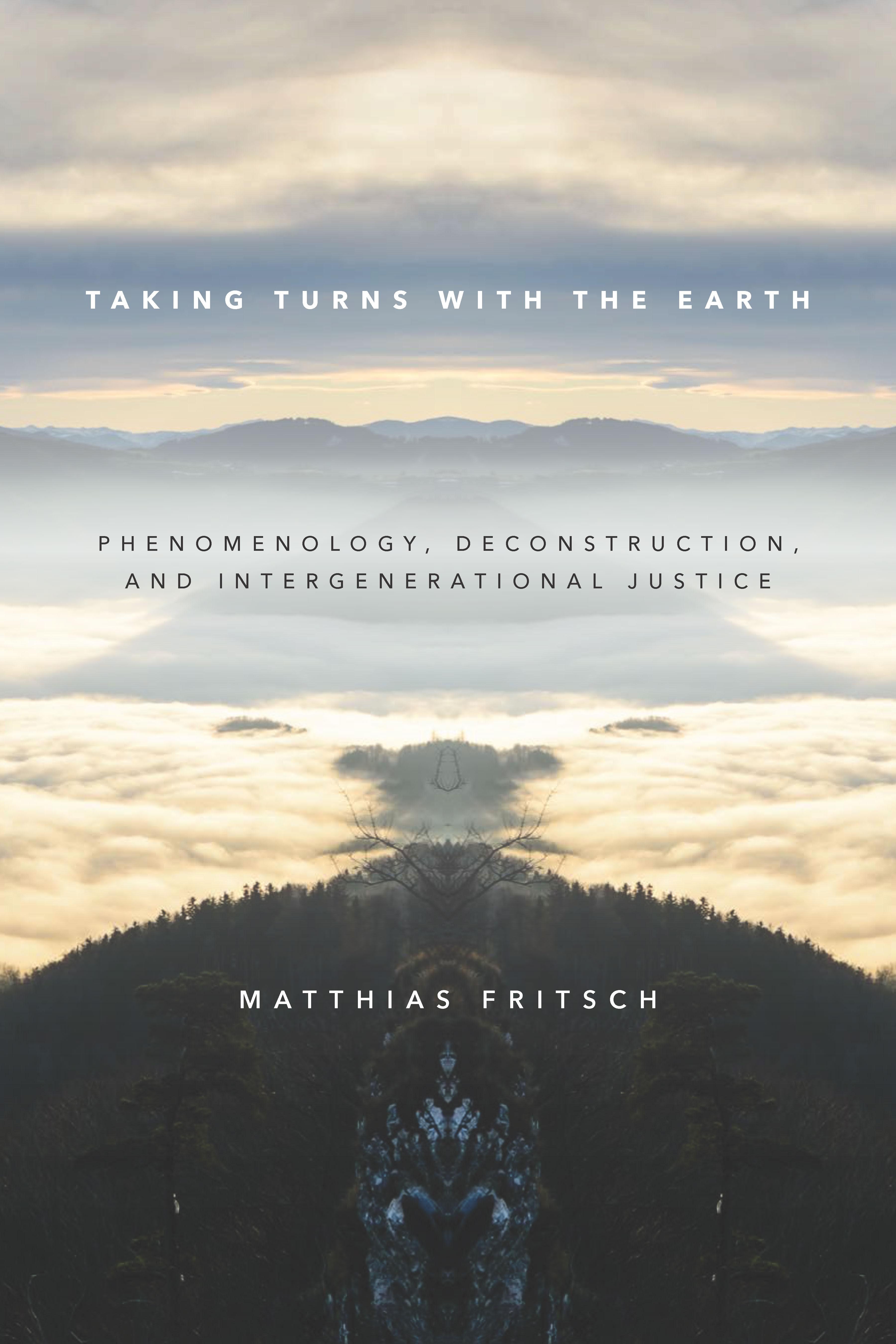
The environmental crisis, one of the great challenges of our time, tends to disenfranchise those who come after us. Arguing that as temporary inhabitants of the earth, we cannot be indifferent to future generations, this book draws on the resources of phenomenology and poststructuralism to help us conceive of moral relations in connection with human temporality. Demonstrating that moral and political normativity emerge with generational time, the time of birth and death, this book proposes two related models of intergenerational and environmental justice. The first entails a form of indirect reciprocity, in which we owe future people both because of their needs and interests and because we ourselves have been the beneficiaries of peoples past; the second posits a generational taking of turns that Matthias Fritsch applies to both our institutions and our natural environment, in other words, to the earth as a whole. Offering new readings of key philosophers, and emphasizing the work of Emmanuel Levinas and Jacques Derrida in particular, Taking Turns with the Earth disrupts human-centered notions of terrestrial appropriation and sharing to give us a new continental philosophical account of future-oriented justice.
Paga fácilmente con tarjeta, Klarna, Apple Pay o Google Pay. ¿No estás contento? Siempre tienes 14 días de garantía de devolución. Lee más en nuestros términos. Si tienes preguntas, escríbenos a hello@memmo.org.
Memmo hace que estudiar sea más fácil, estés donde estés. Aquí tienes tus libros de texto y herramientas de estudio inteligentes en un solo lugar: resúmenes, quizzes, podcasts y flashcards. Y también a Ted, tu compañero de estudio que responde a todo lo que te preguntes. Más de 50 000 estudiantes ya estudian aquí. Está hecho para que aprendas más rápido y te estreses menos.