
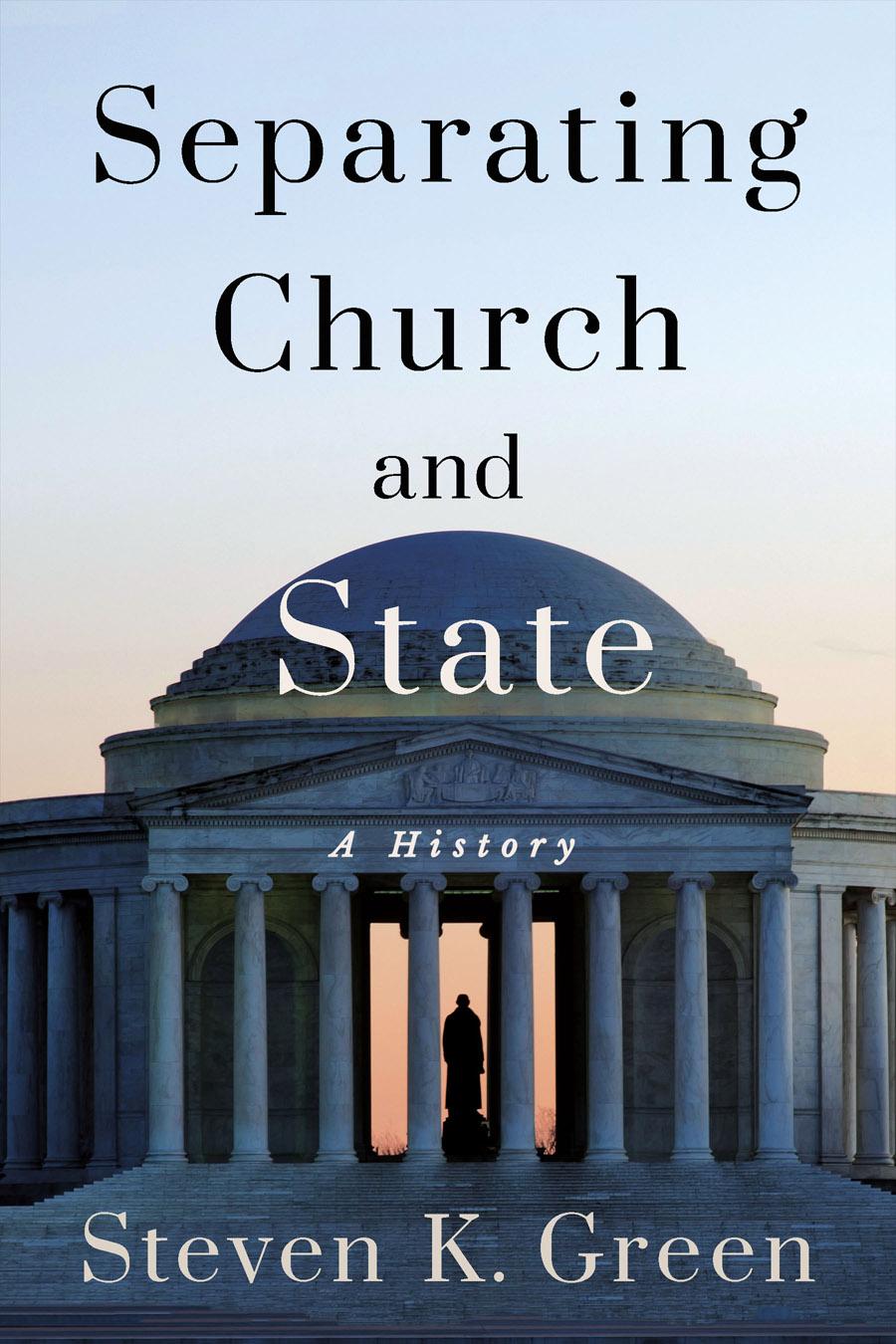
Steven K. Green, renowned for his scholarship on the separation of church and state, charts the career of the concept and helps us understand how it has fallen into disfavor with many Americans.
In 1802, President Thomas Jefferson distilled a leading idea in the early American republic and wrote of a wall of separation between church and state. That metaphor has come down from Jefferson to twenty-first-century Americans through a long history of jurisprudence, political contestation, and cultural influence. This book traces the development of the concept of separation of church and state and the Supreme Court's application of it in the law.
Green finds that conservative criticisms of a separation of church and state overlook the strong historical and jurisprudential pedigree of the idea. Yet, arguing with liberal advocates of the doctrine, he notes that the idea remains fundamentally vague and thus open to loose interpretation in the courts. As such, the history of a wall of separation is more a variable index of American attitudes toward the forces of religion and state.
Indeed, Green argues that the Supreme Court's use of the wall metaphor has never been essential to its rulings. The contemporary battle over the idea of a wall of separation has thus been a distraction from the real jurisprudential issues animating the contemporary courts.
Paga fácilmente con tarjeta, Klarna, Apple Pay o Google Pay. ¿No estás contento? Siempre tienes 14 días de garantía de devolución. Lee más en nuestros términos. Si tienes preguntas, escríbenos a hello@memmo.org.
Memmo hace que estudiar sea más fácil, estés donde estés. Aquí tienes tus libros de texto y herramientas de estudio inteligentes en un solo lugar: resúmenes, quizzes, podcasts y flashcards. Y también a Ted, tu compañero de estudio que responde a todo lo que te preguntes. Más de 50 000 estudiantes ya estudian aquí. Está hecho para que aprendas más rápido y te estreses menos.