
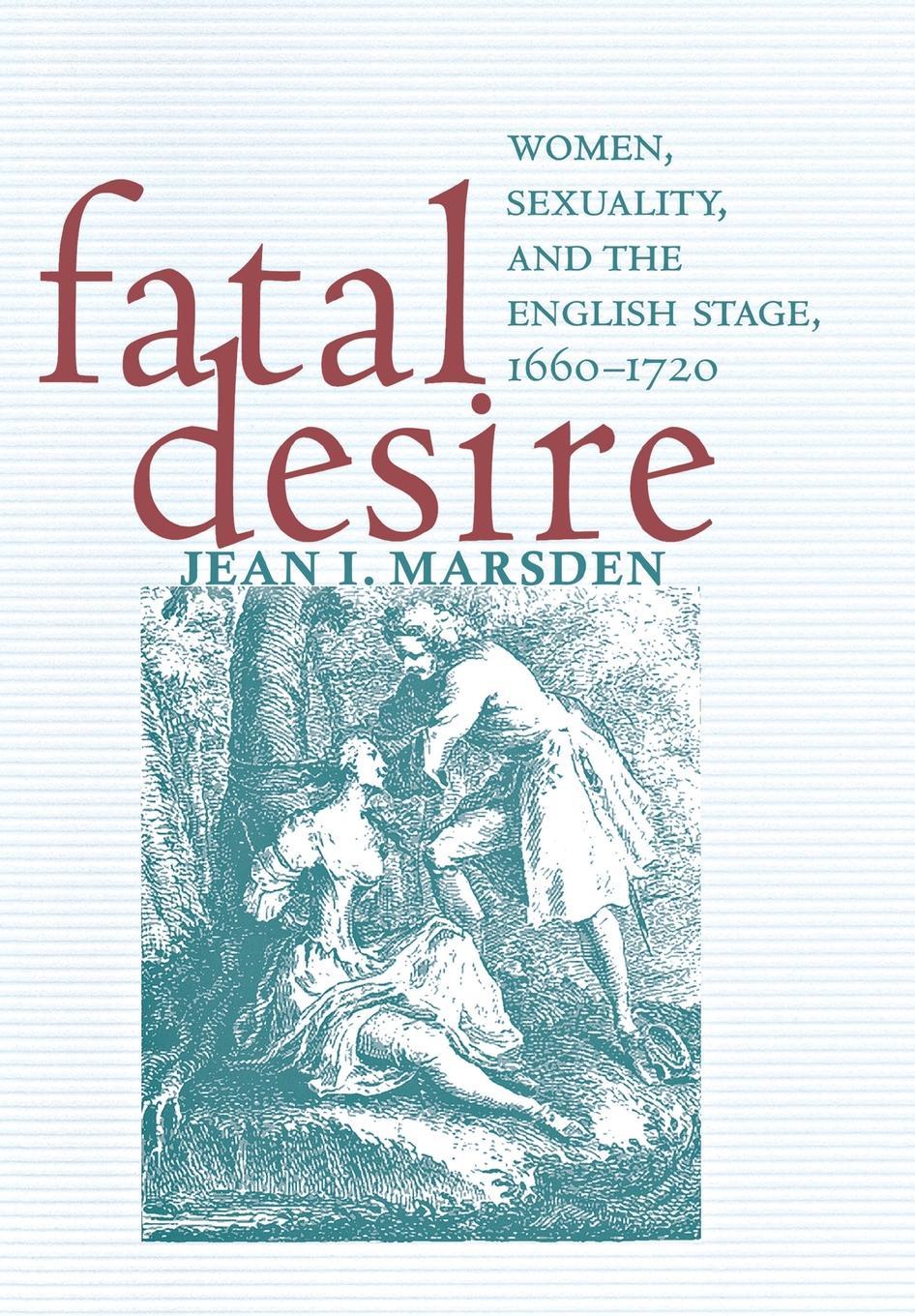
Informed by film theory and a broad historical approach, Fatal Desire examines the theatrical representation of women in England, from the Restoration to the early eighteenth century—a period when for the first time female actors could perform in public. Jean I. Marsden maintains that the feminization of serious drama during this period is tied to the cultural function of theater. Women served as symbols of both domestic and imperial propriety, and so Marsden links the representation of women on the stage to the social context in which the plays appeared and to the moral and often political lessons they offered the audience. The witty heroines of comedies were usually absorbed into the social fabric by marrying similarly lighthearted gentlemen, but the heroines of tragedy suffered for their sins, real or perceived. That suffering served the dual purpose of titillating and educating the theater audience. Marsden discusses such plays as William Wycherley's Plain Dealer (1676), John Vanbrugh's Provoked Wife (1697), Thomas Otway's Orphan (1680), Thomas Southerne's Fatal Marriage (1694), and William Congreve's Mourning Bride (1697). The author also addresses tragedies written by three female playwrights, Mary Pix, Catharine Trotter, and Delarivier Manley, and sketches developments in tragedy during the period.
Paga fácilmente con tarjeta, Klarna, Apple Pay o Google Pay. ¿No estás contento? Siempre tienes 14 días de garantía de devolución. Lee más en nuestros términos. Si tienes preguntas, escríbenos a hello@memmo.org.
Memmo hace que estudiar sea más fácil, estés donde estés. Aquí tienes tus libros de texto y herramientas de estudio inteligentes en un solo lugar: resúmenes, quizzes, podcasts y flashcards. Y también a Ted, tu compañero de estudio que responde a todo lo que te preguntes. Más de 50 000 estudiantes ya estudian aquí. Está hecho para que aprendas más rápido y te estreses menos.