
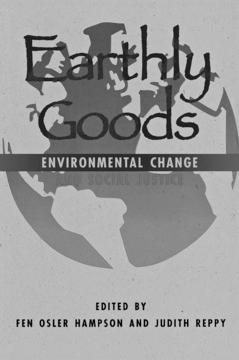
Global environmental change raises profound moral issues with which society has only begun to grapple. What does fairness mean in dividing responsibilities for problems of global warming between rich and poor nations? Does the environment itself have moral standing and, if so, how should its conflicts with the interests of people who depend on the land for their livelihood be resolved? How can the interests of the poor, of indigenous peoples, and of future generations be properly accommodated in a political discourse about environmental policy which is dominated by industrialized states? This book extends the debate both within and across disciplines, engaging philosophers, geographers, political scientists, economists, sociologists, and environmental activists from four continents.
The essays address the role of science in global change and argue that western science does not provide morally disinterested solutions to environmental problems. They discuss the role of state and substate actors in the international politics of the environment, and then use accounts of actual negotiations to argue for the centrality of social justice in reaching desirable and equitable agreements. They conclude that a framework for social justice under conditions of global environmental change must include community values and provide for participatory structures to arbitrate among competing interests.
Paga fácilmente con tarjeta, Klarna, Apple Pay o Google Pay. ¿No estás contento? Siempre tienes 14 días de garantía de devolución. Lee más en nuestros términos. Si tienes preguntas, escríbenos a hello@memmo.org.
Memmo hace que estudiar sea más fácil, estés donde estés. Aquí tienes tus libros de texto y herramientas de estudio inteligentes en un solo lugar: resúmenes, quizzes, podcasts y flashcards. Y también a Ted, tu compañero de estudio que responde a todo lo que te preguntes. Más de 50 000 estudiantes ya estudian aquí. Está hecho para que aprendas más rápido y te estreses menos.