
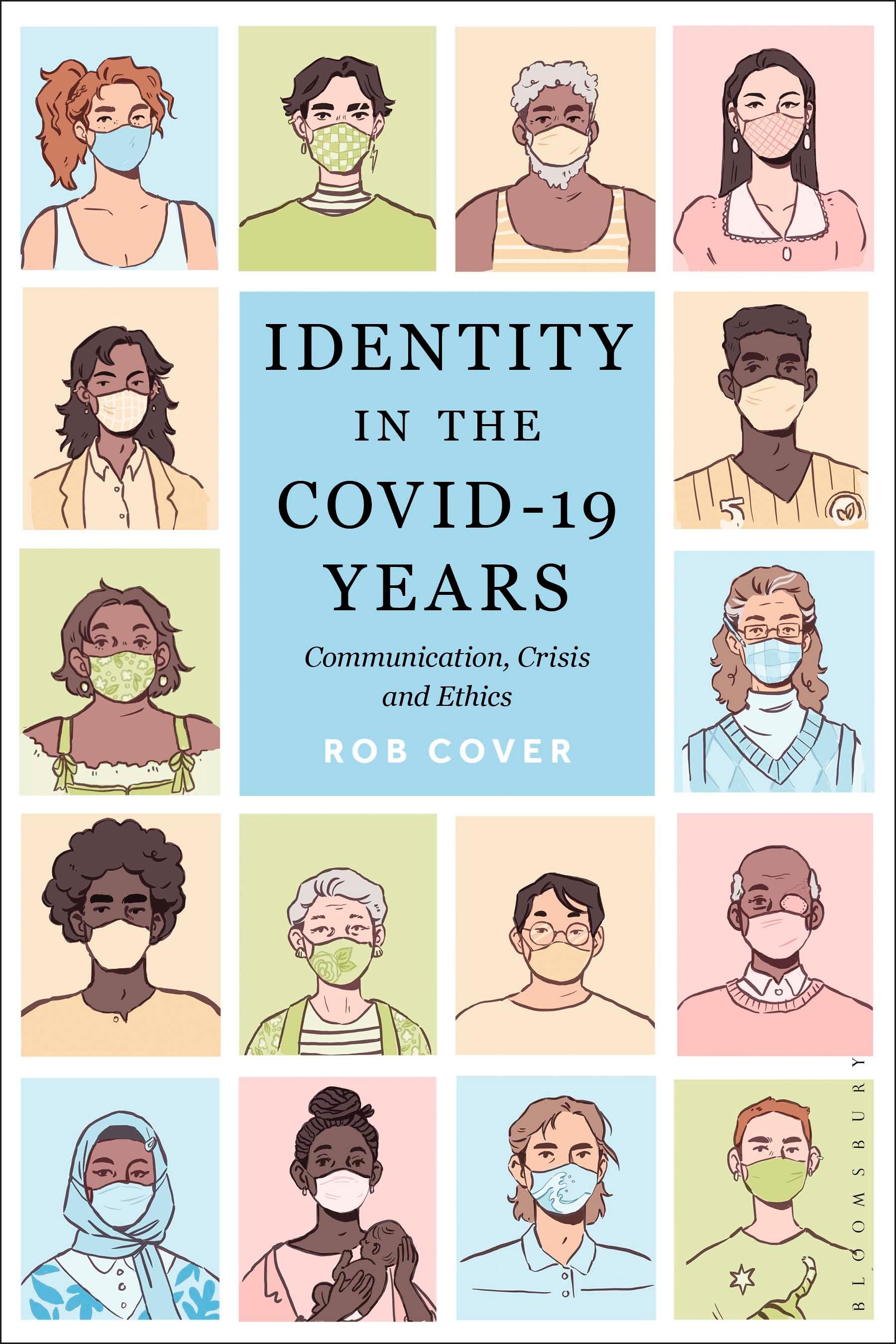
Identity in the Covid-19 Years explores the how the COVID-19 pandemic has been represented in media, communication and culture, and the role these changes have played in renewing how we understand identity, engage in social belonging and relate ethically to each other and the world.
This book explores how the COVID-19 pandemic has had a significant impact on how we perform our identities, engage in social belonging, and communicate with each other. Understanding the onset of the pandemic as a moment experienced as cultural rupture, Cover provides a framework for understanding how selfhood, belonging, relationships and perceptions of time and space have undergone a disruption that not only is damaging to continuity and stability but also provides positive value through renewal and the re-making of the self and ways of living ethically.
Drawing on philosophic, media and cultural studies approaches, this book describes how networks of mutual care and global interdependency have been powerfully drawn out by the experience of the pandemic, yet also disavowed in some settings in favour of a problem individualism and sustained inequalities.
The roles of disruption and interdependency are examined across an array of pandemic-related topics, including health communication, apocalyptic storytelling, lockdowns and immobilities, mask-wearing, social distancing and new practices touch, anti-vaccination discourses, and frameworks for mourning the lost past and the uncertain future. By focusing on the impact of the pandemic on identity, this work explains and revisits theories of belonging and ethics to help us understand how new ways of perceiving our vulnerability may lead to more positive, inclusive and ethical ways of living.
This book explores how the COVID-19 pandemic has had a significant impact on how we perform our identities, engage in social belonging, and communicate with each other. Understanding the onset of the pandemic as a moment experienced as cultural rupture, Cover provides a framework for understanding how selfhood, belonging, relationships and perceptions of time and space have undergone a disruption that not only is damaging to continuity and stability but also provides positive value through renewal and the re-making of the self and ways of living ethically.
Drawing on philosophic, media and cultural studies approaches, this book describes how networks of mutual care and global interdependency have been powerfully drawn out by the experience of the pandemic, yet also disavowed in some settings in favour of a problem individualism and sustained inequalities.
The roles of disruption and interdependency are examined across an array of pandemic-related topics, including health communication, apocalyptic storytelling, lockdowns and immobilities, mask-wearing, social distancing and new practices touch, anti-vaccination discourses, and frameworks for mourning the lost past and the uncertain future. By focusing on the impact of the pandemic on identity, this work explains and revisits theories of belonging and ethics to help us understand how new ways of perceiving our vulnerability may lead to more positive, inclusive and ethical ways of living.
Paga fácilmente con tarjeta, Klarna, Apple Pay o Google Pay. ¿No estás contento? Siempre tienes 14 días de garantía de devolución. Lee más en nuestros términos. Si tienes preguntas, escríbenos a hello@memmo.org.
Memmo hace que estudiar sea más fácil, estés donde estés. Aquí tienes tus libros de texto y herramientas de estudio inteligentes en un solo lugar: resúmenes, quizzes, podcasts y flashcards. Y también a Ted, tu compañero de estudio que responde a todo lo que te preguntes. Más de 50 000 estudiantes ya estudian aquí. Está hecho para que aprendas más rápido y te estreses menos.