
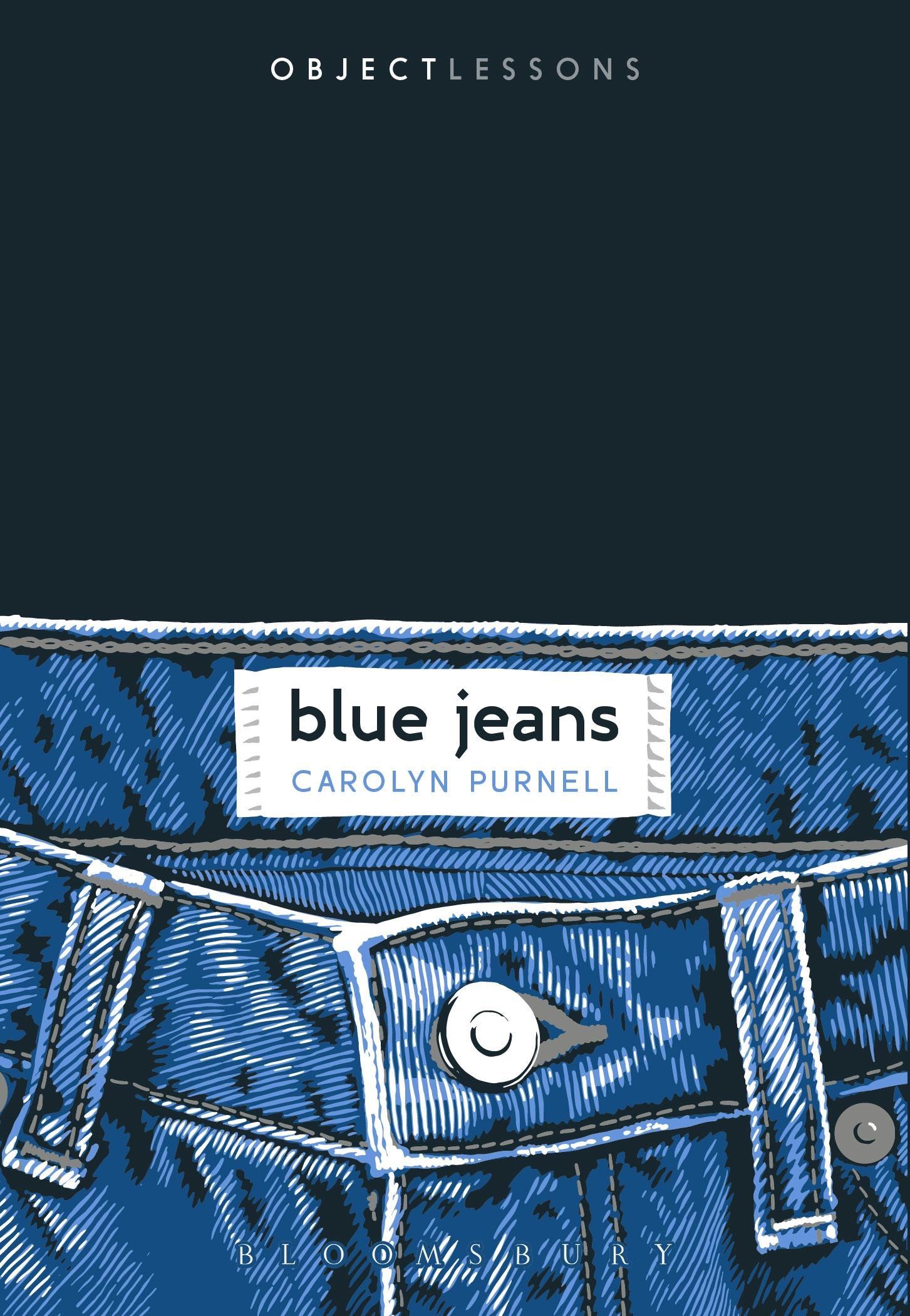
Object Lessons is a series of short, beautifully designed books about the hidden lives of ordinary things.
Few clothing items are as ubiquitous or casual as blue jeans. Yet, their simplicity is deceptive. Blue jeans are nothing if not an exercise in opposites.
Americans have accepted jeans as a symbol of their culture, but today jeans are a global consumer product category. Levi Strauss made blue jeans in the 1870s to withstand the hard work of mining, but denim has since become the epitome of leisure. In the 1950s, celebrities like Marlon Brando transformed the utilitarian clothing of industrial labor into a glamorous statement of youthful rebellion, and now, you can find jeans on chic fashion runways. For some, indigo blue might be the color of freedom, but for workers who have produced the dye, it has often been a color of oppression and tyranny.
Blue Jeans considers the versatility of this iconic garment and investigates what makes denim a universal signifier, ready to fit any context, meaning, and body.
Object Lessons is published in partnership with an essay series in The Atlantic.
Few clothing items are as ubiquitous or casual as blue jeans. Yet, their simplicity is deceptive. Blue jeans are nothing if not an exercise in opposites.
Americans have accepted jeans as a symbol of their culture, but today jeans are a global consumer product category. Levi Strauss made blue jeans in the 1870s to withstand the hard work of mining, but denim has since become the epitome of leisure. In the 1950s, celebrities like Marlon Brando transformed the utilitarian clothing of industrial labor into a glamorous statement of youthful rebellion, and now, you can find jeans on chic fashion runways. For some, indigo blue might be the color of freedom, but for workers who have produced the dye, it has often been a color of oppression and tyranny.
Blue Jeans considers the versatility of this iconic garment and investigates what makes denim a universal signifier, ready to fit any context, meaning, and body.
Object Lessons is published in partnership with an essay series in The Atlantic.
Páginas: 160
Categoría: Kultur-, Genus- & Postkoloniala studier
e-ISBN: 9781501383755
Peso de envío: 1.2 kg
Envío en: 1-2 días
Paga fácilmente con tarjeta, Klarna, Apple Pay o Google Pay. ¿No estás contento? Siempre tienes 14 días de garantía de devolución. Lee más en nuestros términos. Si tienes preguntas, escríbenos a hello@memmo.org.
Memmo hace que estudiar sea más fácil, estés donde estés. Aquí tienes tus libros de texto y herramientas de estudio inteligentes en un solo lugar: resúmenes, quizzes, podcasts y flashcards. Y también a Ted, tu compañero de estudio que responde a todo lo que te preguntes. Más de 50 000 estudiantes ya estudian aquí. Está hecho para que aprendas más rápido y te estreses menos.