
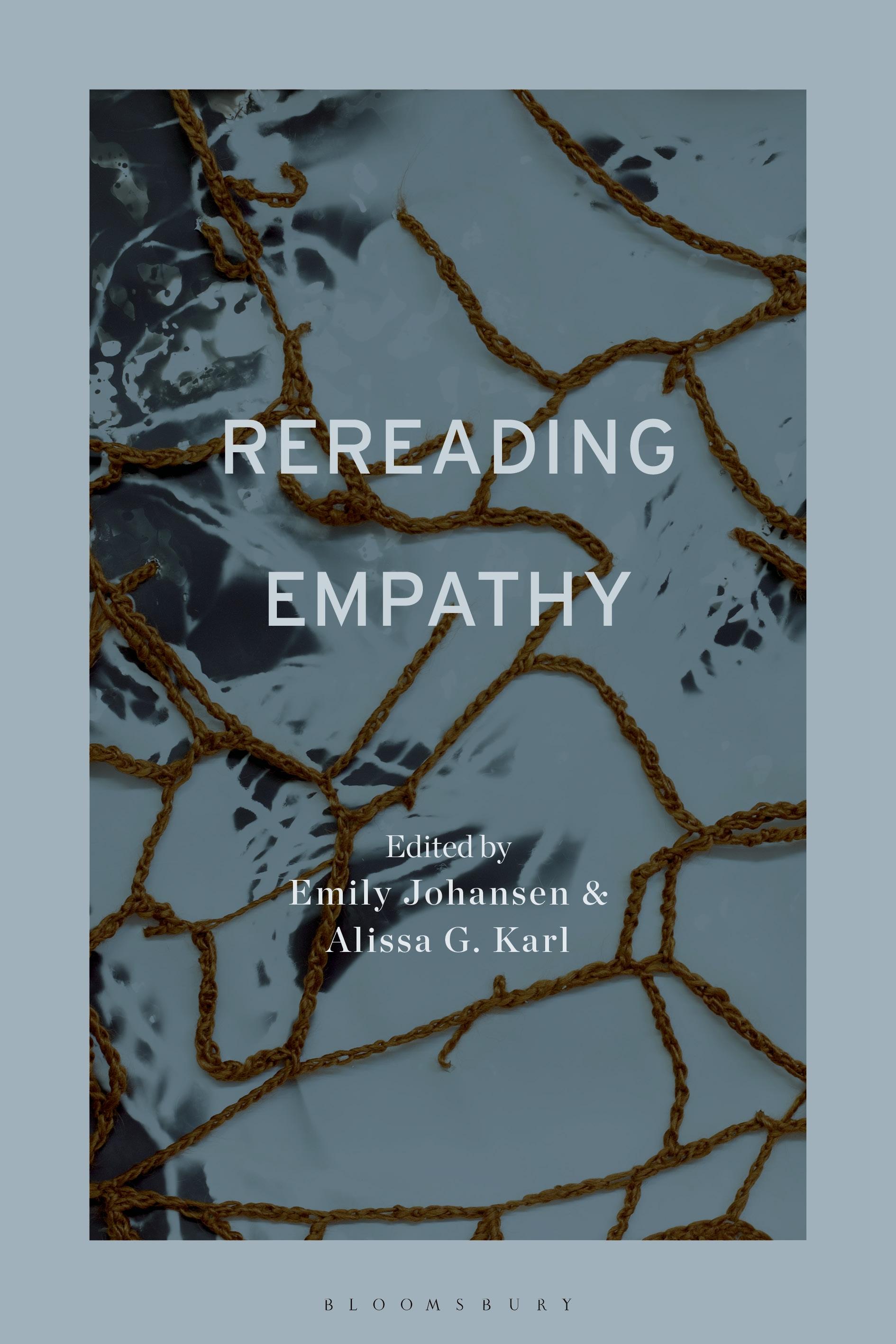
Over the last few decades and from across a spectrum of centrist political thought, a variety of academic disciplines, and numerous public intellectuals, the claim has been that we need to empathize more with marginalized people as a way to alleviate social inequalities. If we all had more skill with empathy, so the claim goes, we would all be better citizens. But what does it mean to empathize with others? How do we develop this skill? And what does it offer that older models of solidarity don't? Why empathy-and why now?
Rereading Empathy takes up these questions, examining the uses to which calls for empathy are put in the face of ever expanding economic and social precarity. The contributors draw on a variety of historical and contemporary literary and cultural archives to illustrate the work that empathy is supposed to enable-and to query alternative models of building collective futures.
Rereading Empathy takes up these questions, examining the uses to which calls for empathy are put in the face of ever expanding economic and social precarity. The contributors draw on a variety of historical and contemporary literary and cultural archives to illustrate the work that empathy is supposed to enable-and to query alternative models of building collective futures.
Paga fácilmente con tarjeta, Klarna, Apple Pay o Google Pay. ¿No estás contento? Siempre tienes 14 días de garantía de devolución. Lee más en nuestros términos. Si tienes preguntas, escríbenos a hello@memmo.org.
Memmo hace que estudiar sea más fácil, estés donde estés. Aquí tienes tus libros de texto y herramientas de estudio inteligentes en un solo lugar: resúmenes, quizzes, podcasts y flashcards. Y también a Ted, tu compañero de estudio que responde a todo lo que te preguntes. Más de 50 000 estudiantes ya estudian aquí. Está hecho para que aprendas más rápido y te estreses menos.