
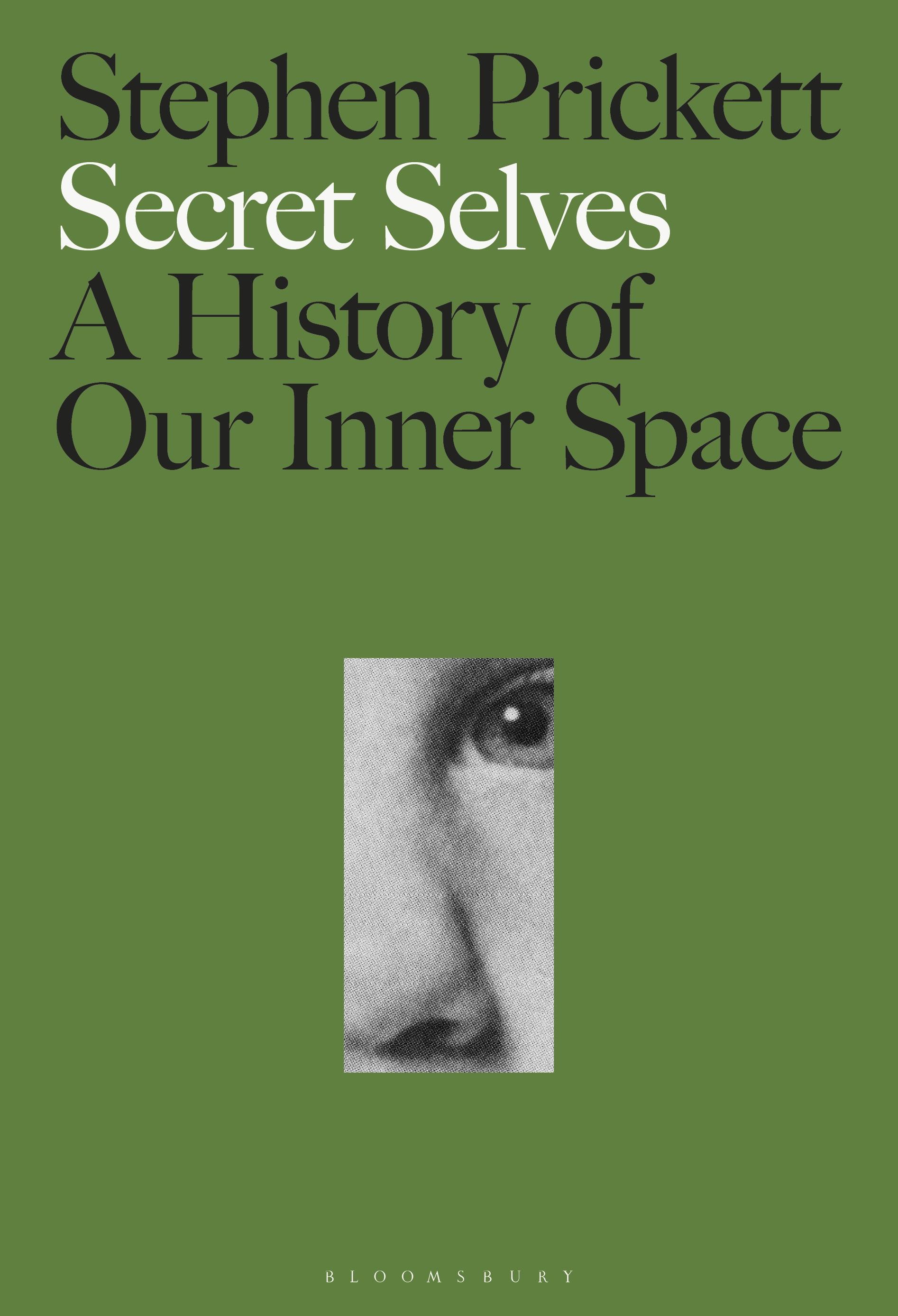
Who are we and how do we define our inner selves?
In his last work, Professor Stephen Prickett presents a literary and cultural exploration of our inner selves – and how we have created and written about them – from the Old Testament to social media.
What he finds is that although our secret, inner, sense of self – what we feel makes us distinctively 'us' – seems a natural and permanent part of being human, it is in fact surprisingly new. Whilst confessional religious writings, from Augustine to Jane Austen, or even diaries of 20th-century Holocaust victims, have explored inwards as part of a path to self-discovery, our inner space has expanded beyond any possible personal experience. This development has enhanced our capacity not merely to write about what we have never seen, but even to create fantasies and impossible fictions around them.
Yet our secret selves can also be a source of terror. The fringes of our inner worlds are often porous, ill-defined and susceptible to frightening forms of external control. Mystics and poets, from Dante to John Henry Newman or Gerard Manley Hopkins, sought God in their secret spaces not least because they feared the 'abyss beneath.'
From the origin of human consciousness through modern history and into the future, Secret Selves uses literature to consider the profound possibilities and ramifications of our evolving ideas of self.
In his last work, Professor Stephen Prickett presents a literary and cultural exploration of our inner selves – and how we have created and written about them – from the Old Testament to social media.
What he finds is that although our secret, inner, sense of self – what we feel makes us distinctively 'us' – seems a natural and permanent part of being human, it is in fact surprisingly new. Whilst confessional religious writings, from Augustine to Jane Austen, or even diaries of 20th-century Holocaust victims, have explored inwards as part of a path to self-discovery, our inner space has expanded beyond any possible personal experience. This development has enhanced our capacity not merely to write about what we have never seen, but even to create fantasies and impossible fictions around them.
Yet our secret selves can also be a source of terror. The fringes of our inner worlds are often porous, ill-defined and susceptible to frightening forms of external control. Mystics and poets, from Dante to John Henry Newman or Gerard Manley Hopkins, sought God in their secret spaces not least because they feared the 'abyss beneath.'
From the origin of human consciousness through modern history and into the future, Secret Selves uses literature to consider the profound possibilities and ramifications of our evolving ideas of self.
Paga fácilmente con tarjeta, Klarna, Apple Pay o Google Pay. ¿No estás contento? Siempre tienes 14 días de garantía de devolución. Lee más en nuestros términos. Si tienes preguntas, escríbenos a hello@memmo.org.
Memmo hace que estudiar sea más fácil, estés donde estés. Aquí tienes tus libros de texto y herramientas de estudio inteligentes en un solo lugar: resúmenes, quizzes, podcasts y flashcards. Y también a Ted, tu compañero de estudio que responde a todo lo que te preguntes. Más de 50 000 estudiantes ya estudian aquí. Está hecho para que aprendas más rápido y te estreses menos.