
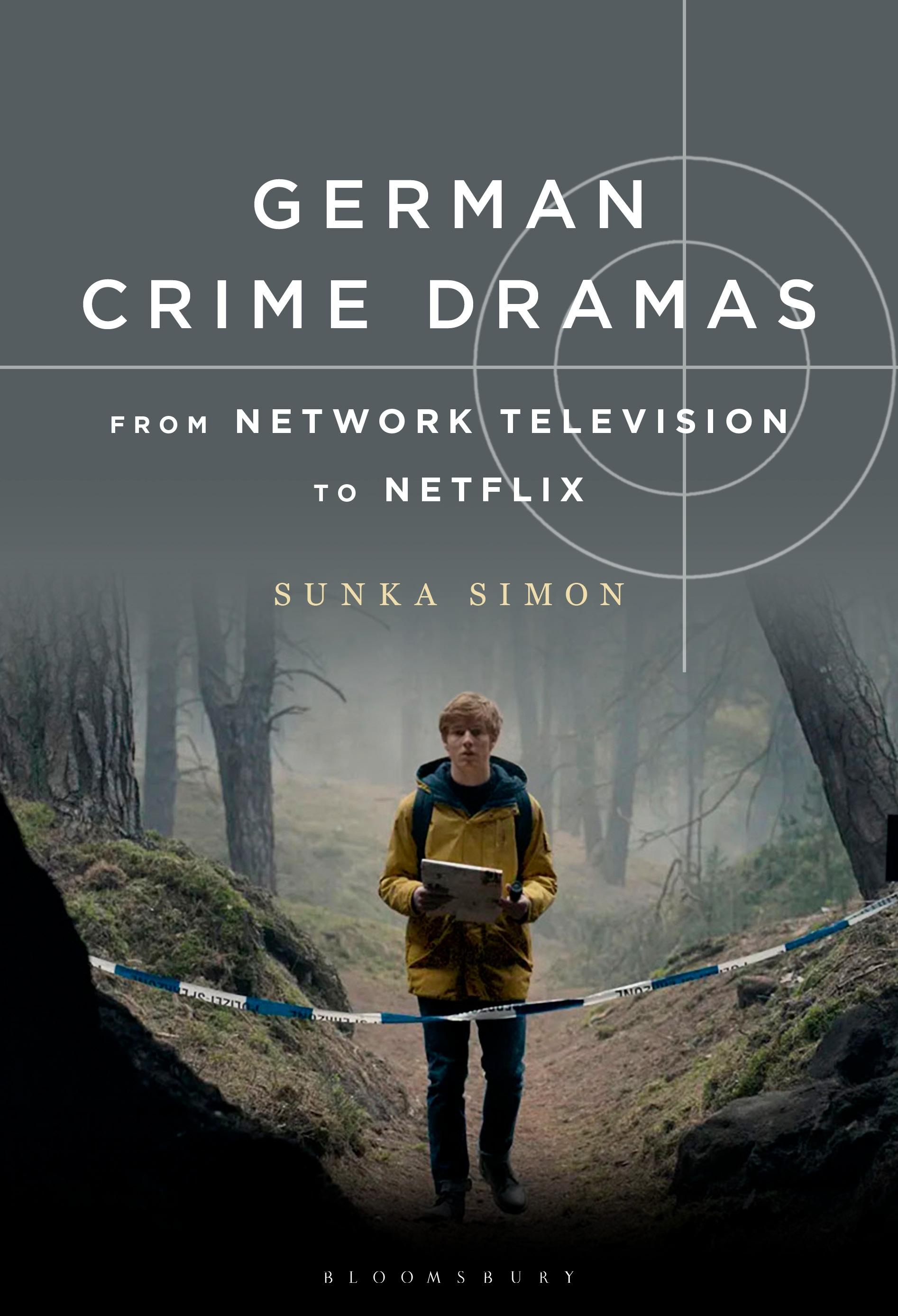
German Crime Dramas from Network Television to Netflix approaches German television crime dramas to uncover the intersections between the genre's media-specific network and post-network formats and how these negotiate with and contribute to concepts of the regional, national, and global.
Part I concentrates on the ARD network's long-running flagship series Tatort (Crime Scene 1970-). Because the domestically produced crime drama succeeded in interacting with and competing against dominant U.S. formats during 3 different mediascapes, it offers strategic lessons for post-network television. Situating 9 Tatort episodes in their televisual moment within the Sunday evening flow over 38 years and 3 different German regions reveals how producers, writers, directors, critics, and audiences interacted not only with the cultural socio-political context, but also responded to the challenges aesthetically, narratively, and media-reflexively.
Part II explores how post-2017 German crime dramas (Babylon Berlin, Dark, Perfume, and Dogs of Berlin) rework the genre's formal and narrative conventions for global circulation on Netflix. Each chapter concentrates on the dynamic interplay between time-shifted viewing, transmedia storytelling, genre hybridity, and how these interact with projections of cultural specificity and continue or depart from established network practices. The results offer crucial information and inspiration for producers and executives, for creative teams, program directors, and television scholars.
Part I concentrates on the ARD network's long-running flagship series Tatort (Crime Scene 1970-). Because the domestically produced crime drama succeeded in interacting with and competing against dominant U.S. formats during 3 different mediascapes, it offers strategic lessons for post-network television. Situating 9 Tatort episodes in their televisual moment within the Sunday evening flow over 38 years and 3 different German regions reveals how producers, writers, directors, critics, and audiences interacted not only with the cultural socio-political context, but also responded to the challenges aesthetically, narratively, and media-reflexively.
Part II explores how post-2017 German crime dramas (Babylon Berlin, Dark, Perfume, and Dogs of Berlin) rework the genre's formal and narrative conventions for global circulation on Netflix. Each chapter concentrates on the dynamic interplay between time-shifted viewing, transmedia storytelling, genre hybridity, and how these interact with projections of cultural specificity and continue or depart from established network practices. The results offer crucial information and inspiration for producers and executives, for creative teams, program directors, and television scholars.
Paga fácilmente con tarjeta, Klarna, Apple Pay o Google Pay. ¿No estás contento? Siempre tienes 14 días de garantía de devolución. Lee más en nuestros términos. Si tienes preguntas, escríbenos a hello@memmo.org.
Memmo hace que estudiar sea más fácil, estés donde estés. Aquí tienes tus libros de texto y herramientas de estudio inteligentes en un solo lugar: resúmenes, quizzes, podcasts y flashcards. Y también a Ted, tu compañero de estudio que responde a todo lo que te preguntes. Más de 50 000 estudiantes ya estudian aquí. Está hecho para que aprendas más rápido y te estreses menos.