
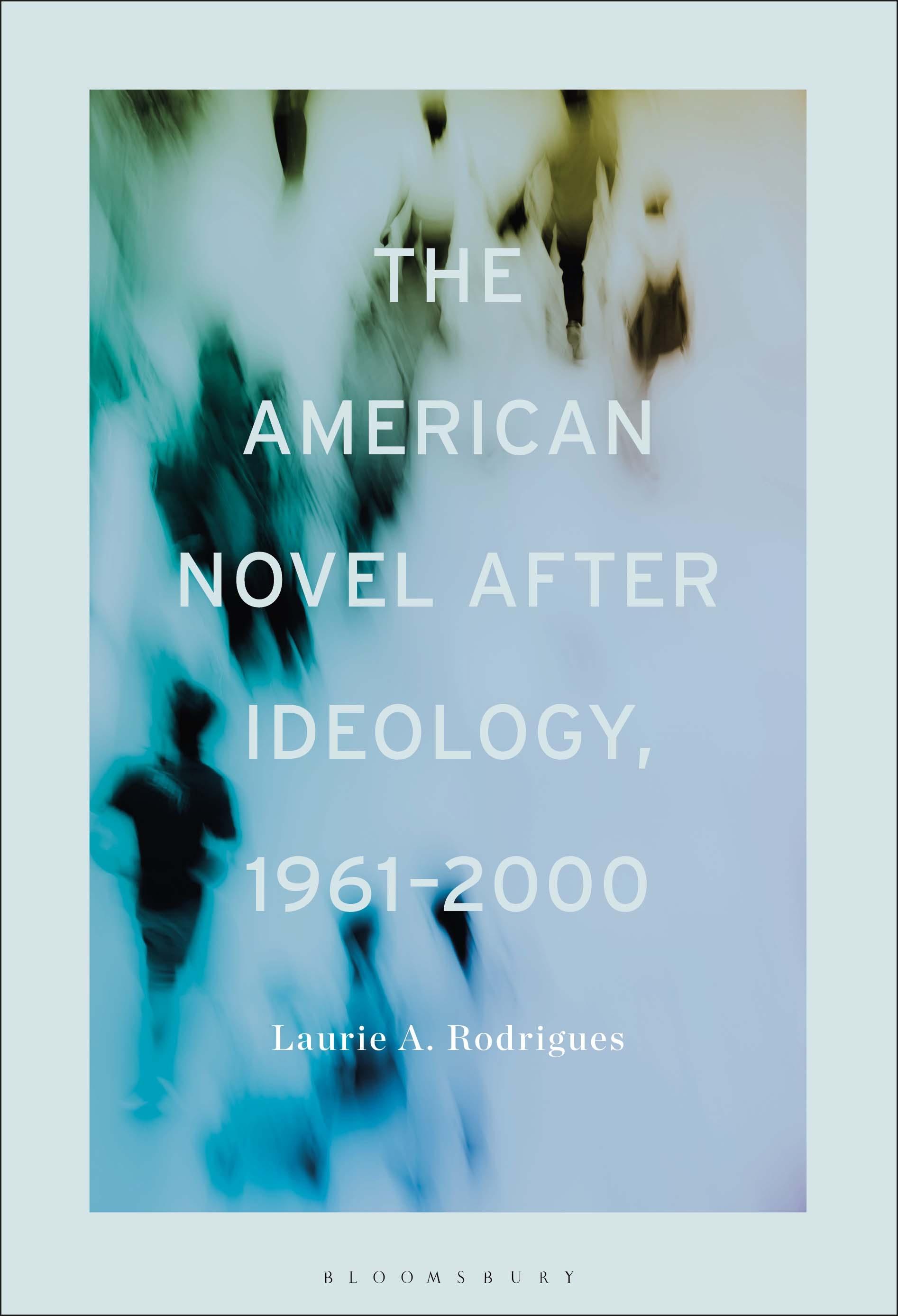
Claims of ideology's end are, on the one hand, performative denials of ideology's inability to end; while, on the other hand, paradoxically, they also reiterate an idea that 'ending' is simply what all ideologies eventually do. Situating her work around the intersecting publications of Daniel Bell's The End of Ideology (1960) and J.D. Salinger's Franny and Zooey (1961), Laurie Rodrigues argues that American novels express this paradox through nuanced applications of non-realist strategies, distorting realism in manners similar to ideology's distortions of reality, history, and belief.
Reflecting the astonishing cultural variety of this period, The American Novel After Ideology, 1961 - 2000 examines Franny and Zooey, Carlene Hatcher Polite's The Flagellants (1967), Leslie Marmon Silko's Almanac of the Dead (1991), and Philip Roth's The Human Stain (2001) alongside the various discussions around ideology with which they intersect. Each novel's plotless narratives, dissolving subjectivities, and cultural codes organize the texts' peculiar relations to the post-ideological age, suggesting an aesthetic return of the repressed.
Reflecting the astonishing cultural variety of this period, The American Novel After Ideology, 1961 - 2000 examines Franny and Zooey, Carlene Hatcher Polite's The Flagellants (1967), Leslie Marmon Silko's Almanac of the Dead (1991), and Philip Roth's The Human Stain (2001) alongside the various discussions around ideology with which they intersect. Each novel's plotless narratives, dissolving subjectivities, and cultural codes organize the texts' peculiar relations to the post-ideological age, suggesting an aesthetic return of the repressed.
Paga fácilmente con tarjeta, Klarna, Apple Pay o Google Pay. ¿No estás contento? Siempre tienes 14 días de garantía de devolución. Lee más en nuestros términos. Si tienes preguntas, escríbenos a hello@memmo.org.
Memmo hace que estudiar sea más fácil, estés donde estés. Aquí tienes tus libros de texto y herramientas de estudio inteligentes en un solo lugar: resúmenes, quizzes, podcasts y flashcards. Y también a Ted, tu compañero de estudio que responde a todo lo que te preguntes. Más de 50 000 estudiantes ya estudian aquí. Está hecho para que aprendas más rápido y te estreses menos.