
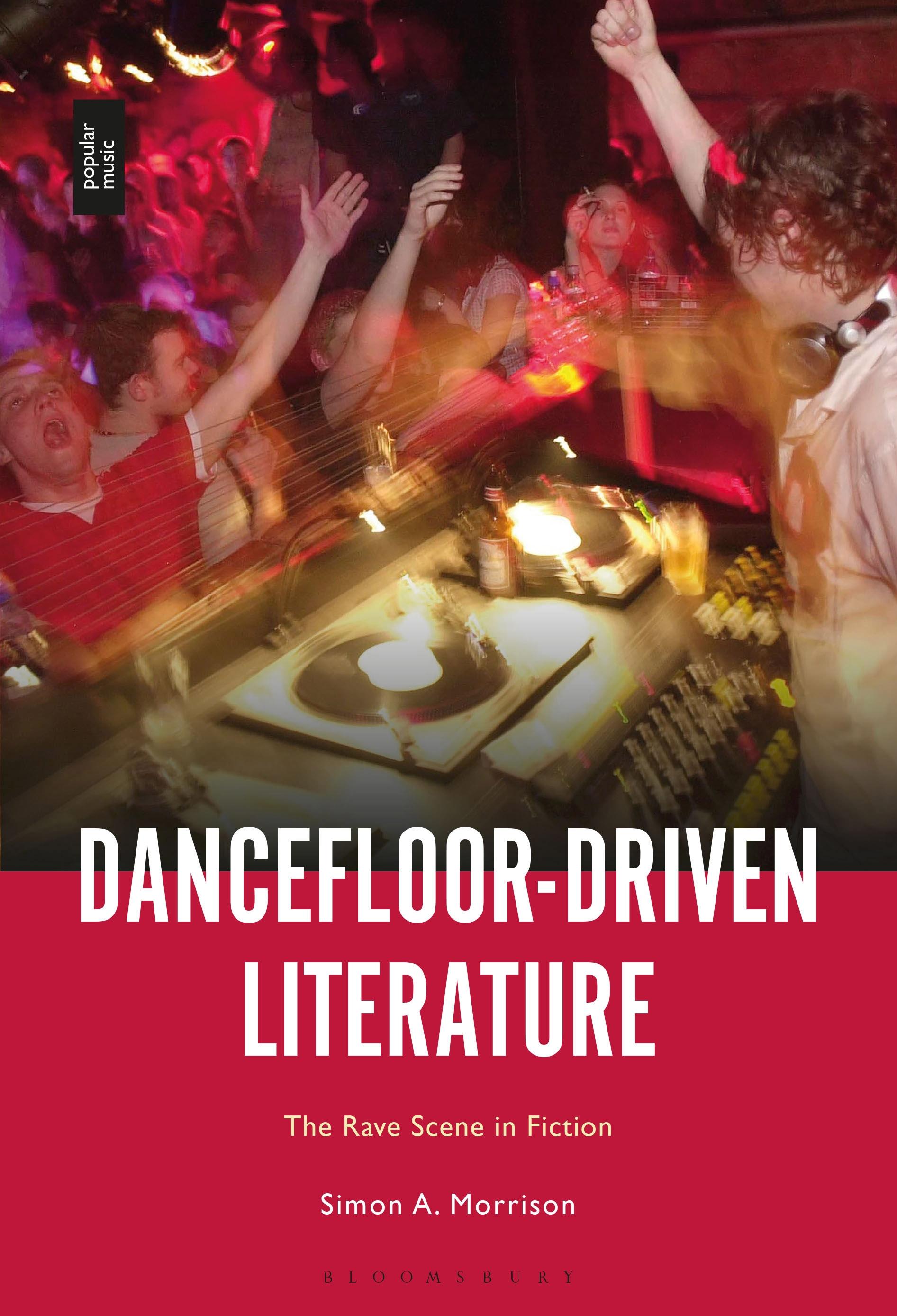
Almost as soon as 'club culture' took hold - during the UK's Second Summer of Love in 1988 - its sociopolitical impact became clear, with journalists, filmmakers and authors all keen to use this cultural context as source material for their texts. This book uses that electronic music subculture as a route into an analysis of these principally literary representations of a music culture: why such secondary artefacts appear and what function they serve.
The book conceives of a new literary genre to accommodate these stories born of the dancefloor - 'dancefloor-driven literature'. Using interviews with Irvine Welsh, author of Trainspotting (1994), alongside other dancefloor-driven authors Nicholas Blincoe and Jeff Noon as case studies, the book analyzes three separate ways writers draw on electronic dance music in their fictions, interrogating that very particular intermedial intersection between the sonic and the linguistic. It explores how such authors write about something so subterranean as the nightclub scene, and analyses what specific literary techniques they deploy to write lucidly and fluidly about the metronomic beat of electronic music and the chemical accelerant that further alters that relationship.
The book conceives of a new literary genre to accommodate these stories born of the dancefloor - 'dancefloor-driven literature'. Using interviews with Irvine Welsh, author of Trainspotting (1994), alongside other dancefloor-driven authors Nicholas Blincoe and Jeff Noon as case studies, the book analyzes three separate ways writers draw on electronic dance music in their fictions, interrogating that very particular intermedial intersection between the sonic and the linguistic. It explores how such authors write about something so subterranean as the nightclub scene, and analyses what specific literary techniques they deploy to write lucidly and fluidly about the metronomic beat of electronic music and the chemical accelerant that further alters that relationship.
Paga fácilmente con tarjeta, Klarna, Apple Pay o Google Pay. ¿No estás contento? Siempre tienes 14 días de garantía de devolución. Lee más en nuestros términos. Si tienes preguntas, escríbenos a hello@memmo.org.
Memmo hace que estudiar sea más fácil, estés donde estés. Aquí tienes tus libros de texto y herramientas de estudio inteligentes en un solo lugar: resúmenes, quizzes, podcasts y flashcards. Y también a Ted, tu compañero de estudio que responde a todo lo que te preguntes. Más de 50 000 estudiantes ya estudian aquí. Está hecho para que aprendas más rápido y te estreses menos.