
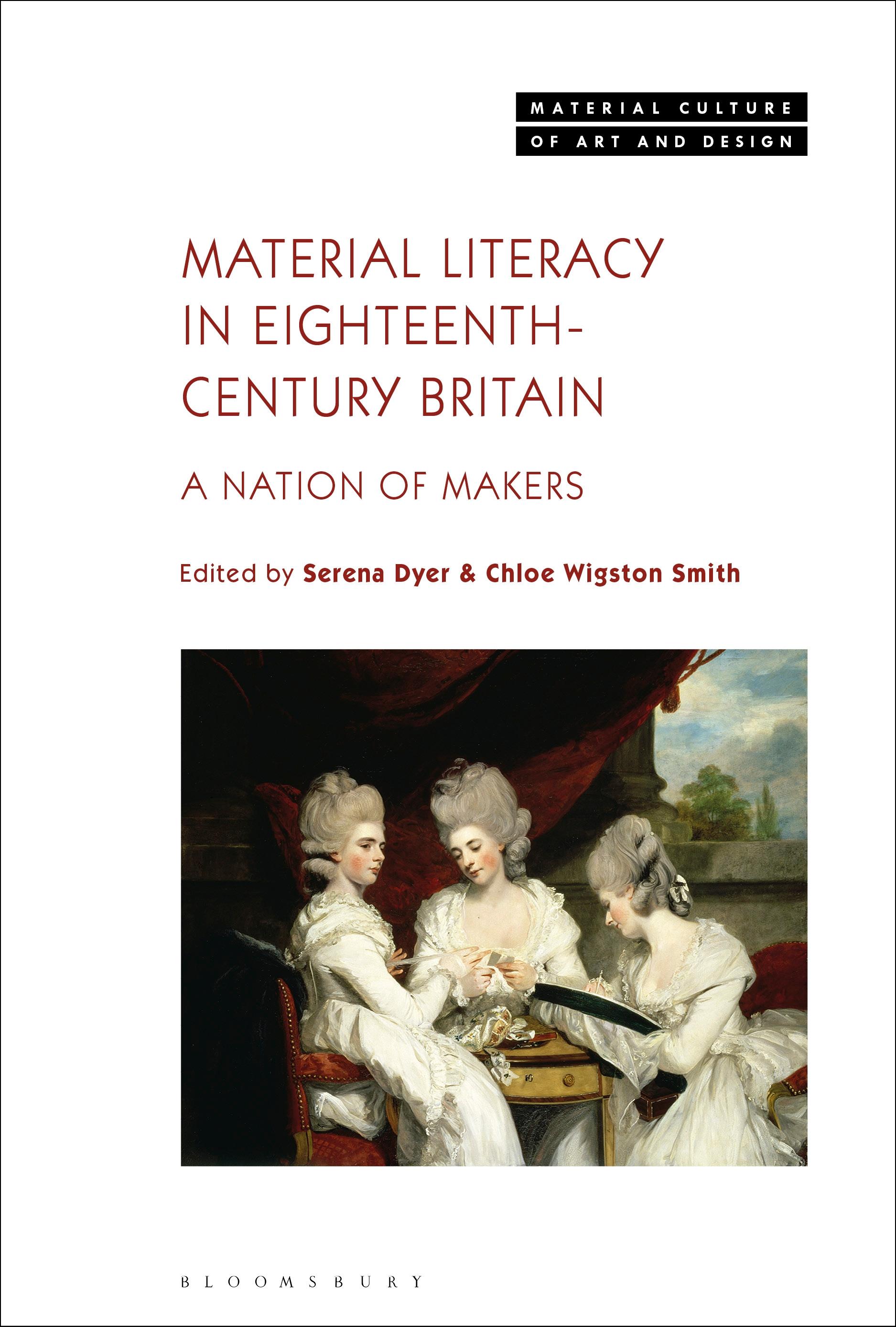
The eighteenth century has been hailed for its revolution in consumer culture, but Material Literacy in Eighteenth-Century Britain repositions Britain as a nation of makers. It brings new attention to eighteenth-century craftswomen and men with its focus on the material knowledge possessed not only by professional artisans and amateur makers, but also by skilled consumers. This edited collection gathers together a group of interdisciplinary scholars working in the fields of art history, history, literature, and museum studies to unearth the tactile and tacit knowledge that underpinned fashion, tailoring, and textile production. It invites us into the workshops, drawing rooms, and backrooms of a broad range of creators, and uncovers how production and tacit knowledge extended beyond the factories and machines which dominate industrial histories.
This book illuminates, for the first time, the material literacies learnt, enacted, and understood by British producers and consumers. The skills required for sewing, embroidering, and the textile arts were possessed by a large proportion of the British population: men, women and children, professional and amateur alike. Building on previous studies of shoppers and consumption in the period, as well as narratives of manufacture, these essays document the multiplicity of small producers behind Britain's consumer revolution, reshaping our understanding of the dynamics between making and objects, consumption and production. It demonstrates how material knowledge formed an essential part of daily life for eighteenth-century Britons. Craft technique, practice, and production, the contributors show, constituted forms of tactile languages that joined makers together, whether they produced objects for profit or pleasure.
This book illuminates, for the first time, the material literacies learnt, enacted, and understood by British producers and consumers. The skills required for sewing, embroidering, and the textile arts were possessed by a large proportion of the British population: men, women and children, professional and amateur alike. Building on previous studies of shoppers and consumption in the period, as well as narratives of manufacture, these essays document the multiplicity of small producers behind Britain's consumer revolution, reshaping our understanding of the dynamics between making and objects, consumption and production. It demonstrates how material knowledge formed an essential part of daily life for eighteenth-century Britons. Craft technique, practice, and production, the contributors show, constituted forms of tactile languages that joined makers together, whether they produced objects for profit or pleasure.
Paga fácilmente con tarjeta, Klarna, Apple Pay o Google Pay. ¿No estás contento? Siempre tienes 14 días de garantía de devolución. Lee más en nuestros términos. Si tienes preguntas, escríbenos a hello@memmo.org.
Memmo hace que estudiar sea más fácil, estés donde estés. Aquí tienes tus libros de texto y herramientas de estudio inteligentes en un solo lugar: resúmenes, quizzes, podcasts y flashcards. Y también a Ted, tu compañero de estudio que responde a todo lo que te preguntes. Más de 50 000 estudiantes ya estudian aquí. Está hecho para que aprendas más rápido y te estreses menos.