
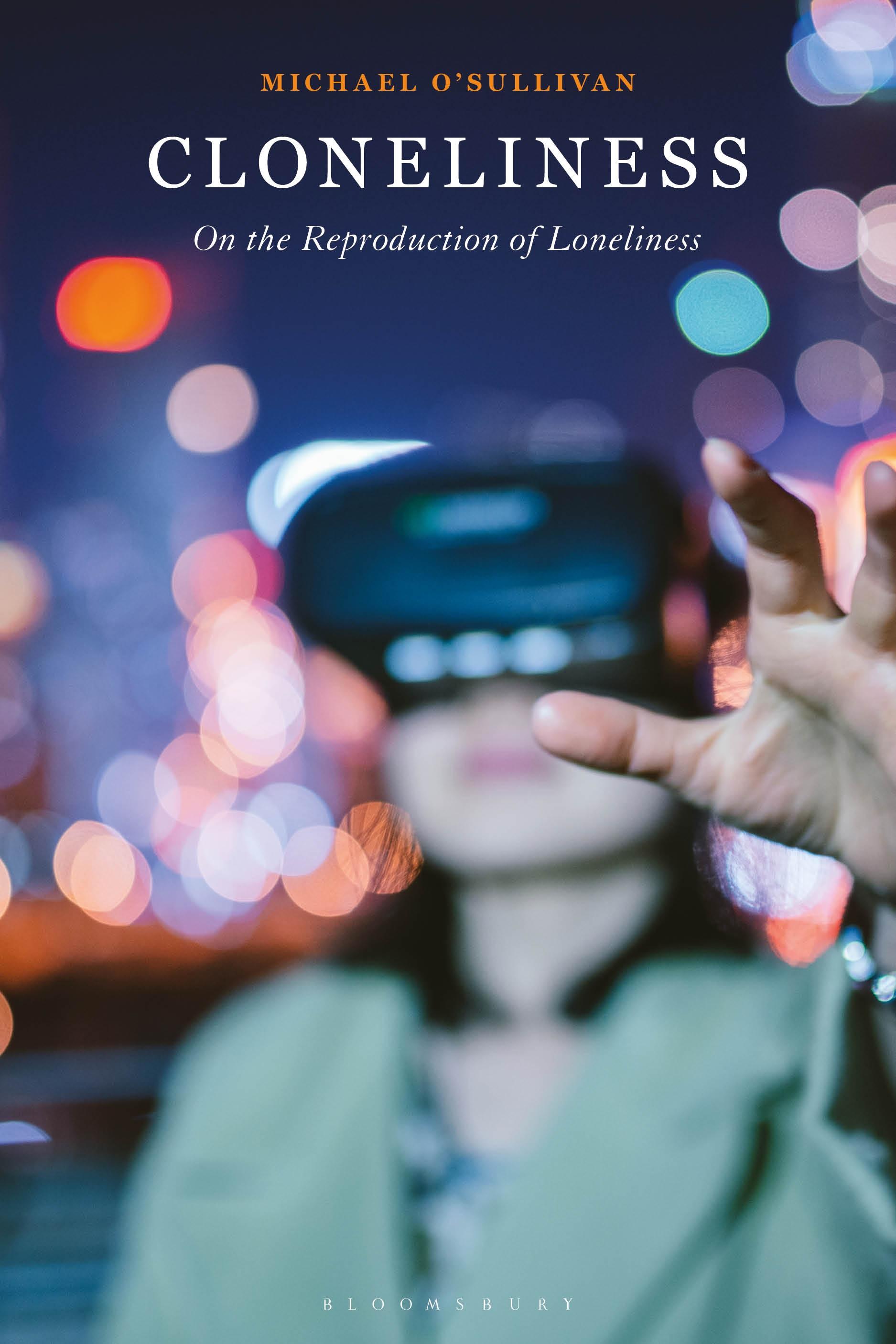
Recent posthuman philosophies, human-computer interface studies, and technology-inspired biopolitical discourses and practices are reinventing and reimagining loneliness in different communities.
Cloneliness: The Reproduction of Loneliness takes a cross-cultural approach to loneliness by examining 20th-century artistic expressions and examinations of loneliness in the context of more recent global expressions grounded in social networks, virtual reality, the biopolitical commons, academic credentialization and such practices as Hikikomori. Newer forms of loneliness, pushed by the algorithms of biopolitical capitalism, result in what this books calls "cloneliness." Michael O'Sullivan plots the transformation in loneliness in literature and philosophy in readings that take us from Henry James and such classic works as Frank O'Connor's The Lonely Voice and Richard Yates's Eleven Kinds of Loneliness to more recent expressions in such writers as David Foster Wallace, Yiyun Li, and Sayaka Murata.
Michael O'Sullivan argues that cloneliness as an institutional practice of reproduction in society nurtures, normalizes, and reproduces loneliness in order to create subjects who are more willing to accept ideologies of competition, “extreme individualism,” and the stresses of being "interconnected loners."
Cloneliness: The Reproduction of Loneliness takes a cross-cultural approach to loneliness by examining 20th-century artistic expressions and examinations of loneliness in the context of more recent global expressions grounded in social networks, virtual reality, the biopolitical commons, academic credentialization and such practices as Hikikomori. Newer forms of loneliness, pushed by the algorithms of biopolitical capitalism, result in what this books calls "cloneliness." Michael O'Sullivan plots the transformation in loneliness in literature and philosophy in readings that take us from Henry James and such classic works as Frank O'Connor's The Lonely Voice and Richard Yates's Eleven Kinds of Loneliness to more recent expressions in such writers as David Foster Wallace, Yiyun Li, and Sayaka Murata.
Michael O'Sullivan argues that cloneliness as an institutional practice of reproduction in society nurtures, normalizes, and reproduces loneliness in order to create subjects who are more willing to accept ideologies of competition, “extreme individualism,” and the stresses of being "interconnected loners."
Paga fácilmente con tarjeta, Klarna, Apple Pay o Google Pay. ¿No estás contento? Siempre tienes 14 días de garantía de devolución. Lee más en nuestros términos. Si tienes preguntas, escríbenos a hello@memmo.org.
Memmo hace que estudiar sea más fácil, estés donde estés. Aquí tienes tus libros de texto y herramientas de estudio inteligentes en un solo lugar: resúmenes, quizzes, podcasts y flashcards. Y también a Ted, tu compañero de estudio que responde a todo lo que te preguntes. Más de 50 000 estudiantes ya estudian aquí. Está hecho para que aprendas más rápido y te estreses menos.