
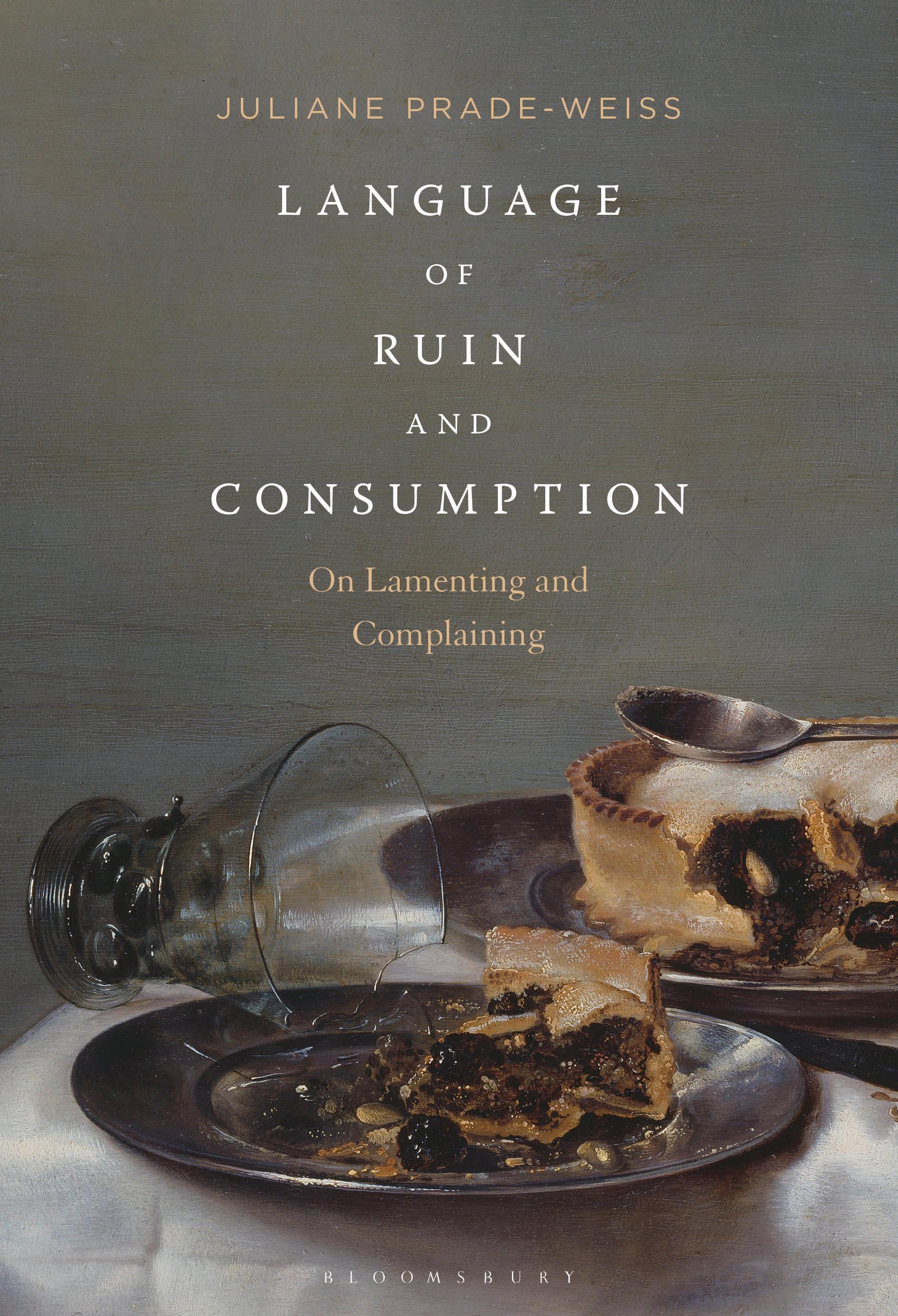
Laments and complaints are among the most ancient poetical forms and ubiquitous in everyday speech. Understanding plaintive language, however, is often prevented by the resentment and fear it evokes. Lamenting and complaining seems pointless, irreconcilable, and destructive. Language of Ruin and Consumption examines Freud's approaches to lamenting and complaining, the heart of psychoanalytic therapy and theory, and takes them as guidelines for reading key works of the modern canon. The re-negotiation of older--ritual, dramatic, and juridical--forms in Rilke, Wittgenstein, Scholem, Benjamin, and Kafka puts plaintive language in the center of modern individuality and expounds a fundamental dimension of language neglected in theory: reciprocity is at issue in plaintive language.
Language of Ruin and Consumption advocates that a fruitful reception of psychoanalysis in criticism combines the discussion of psychoanalytical concepts with an adaptation of the hermeneutical principle ignored in most philosophical approaches to language, or relegated to mere rhetoric: speech is not only by someone and on something, but also addressed to someone.
Language of Ruin and Consumption advocates that a fruitful reception of psychoanalysis in criticism combines the discussion of psychoanalytical concepts with an adaptation of the hermeneutical principle ignored in most philosophical approaches to language, or relegated to mere rhetoric: speech is not only by someone and on something, but also addressed to someone.
Páginas: 296
Categoría: Litteraturvetenskap & Teori
e-ISBN: 9781501344206
Peso de envío: 1.2 kg
Envío en: 1-2 días
Paga fácilmente con tarjeta, Klarna, Apple Pay o Google Pay. ¿No estás contento? Siempre tienes 14 días de garantía de devolución. Lee más en nuestros términos. Si tienes preguntas, escríbenos a hello@memmo.org.
Memmo hace que estudiar sea más fácil, estés donde estés. Aquí tienes tus libros de texto y herramientas de estudio inteligentes en un solo lugar: resúmenes, quizzes, podcasts y flashcards. Y también a Ted, tu compañero de estudio que responde a todo lo que te preguntes. Más de 50 000 estudiantes ya estudian aquí. Está hecho para que aprendas más rápido y te estreses menos.