
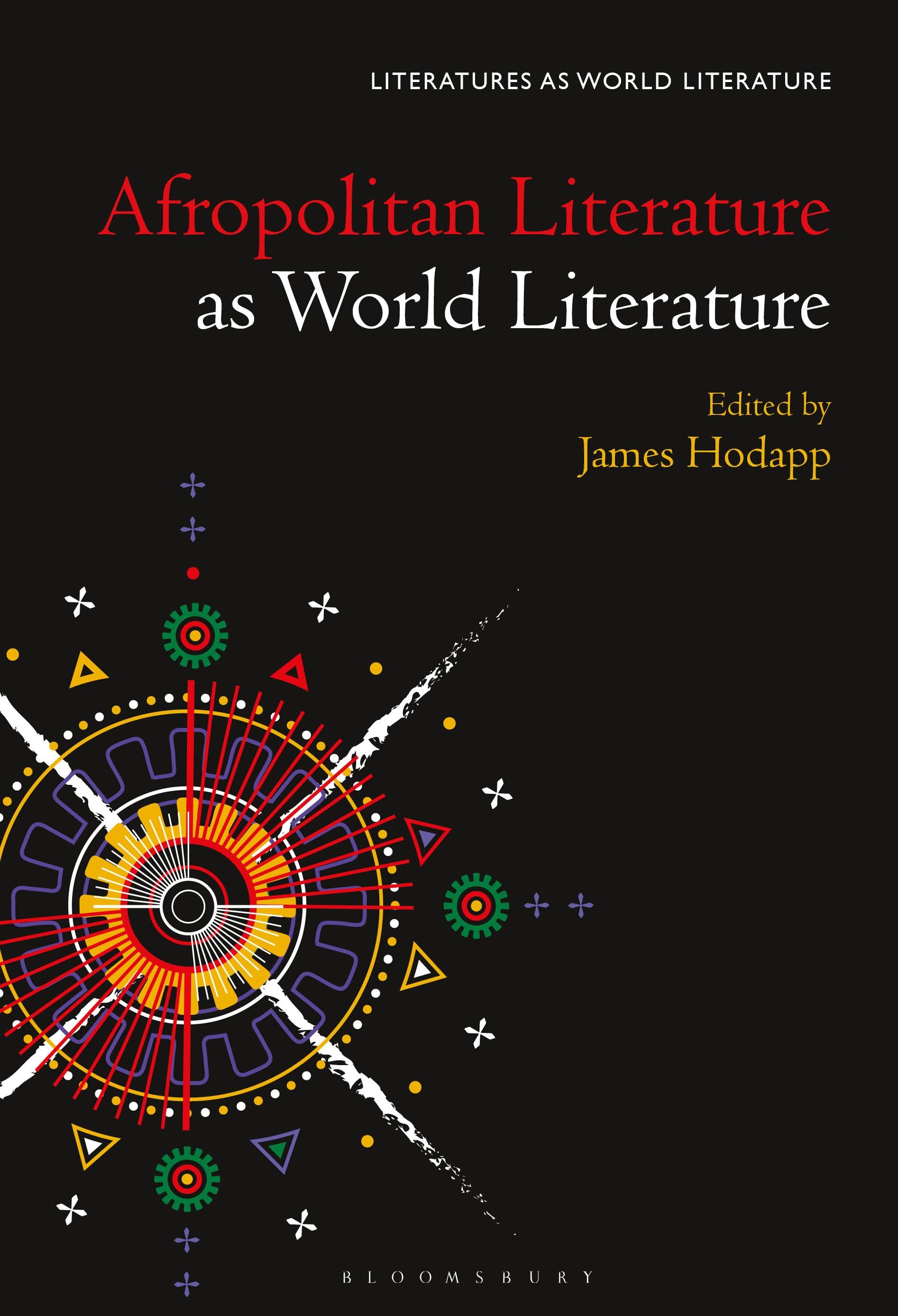
African literature has never been more visible than it is today. Whereas Chinua Achebe, Wole Soyinka, and Ngugi wa Thiong'o defined a golden generation of African writers in the 20th century, a new generation of “Afropolitan” writers including Chimamanda Adichie, Teju Cole, Taiye Selasi, and NoViolet Bulawayo have taken the world by storm by snatching up prestigious awards and selling millions of copies of their works.
But what is the new, increasingly fashionable and marketable, Afropolitan vision of Africa's place in the world that they offer? How does it differ from that of previous generations? Why do some dissent? Afropolitanism refuses to reinforce images of Africa in world media as merely poor, war-torn, diseased, and constantly falling into chaos. By complicating the image of Africa as a hapless victim, Afropolitanism focuses on the wide-ranging influence Africa has on the world. However, some have characterized this kind of writing as light, populist fare that panders to Western audiences.
Afropolitan Literature as World Literature examines the controversy surrounding Afropolitan literature in light of the unprecedented circulation of culture made possible by globalization, and ultimately argues for expanding its geographic and temporal boundaries.
But what is the new, increasingly fashionable and marketable, Afropolitan vision of Africa's place in the world that they offer? How does it differ from that of previous generations? Why do some dissent? Afropolitanism refuses to reinforce images of Africa in world media as merely poor, war-torn, diseased, and constantly falling into chaos. By complicating the image of Africa as a hapless victim, Afropolitanism focuses on the wide-ranging influence Africa has on the world. However, some have characterized this kind of writing as light, populist fare that panders to Western audiences.
Afropolitan Literature as World Literature examines the controversy surrounding Afropolitan literature in light of the unprecedented circulation of culture made possible by globalization, and ultimately argues for expanding its geographic and temporal boundaries.
Páginas: 248
Categoría: Kultur-, Genus- & Postkoloniala studier
e-ISBN: 9781501342592
Peso de envío: 1.2 kg
Envío en: 1-2 días
Paga fácilmente con tarjeta, Klarna, Apple Pay o Google Pay. ¿No estás contento? Siempre tienes 14 días de garantía de devolución. Lee más en nuestros términos. Si tienes preguntas, escríbenos a hello@memmo.org.
Memmo hace que estudiar sea más fácil, estés donde estés. Aquí tienes tus libros de texto y herramientas de estudio inteligentes en un solo lugar: resúmenes, quizzes, podcasts y flashcards. Y también a Ted, tu compañero de estudio que responde a todo lo que te preguntes. Más de 50 000 estudiantes ya estudian aquí. Está hecho para que aprendas más rápido y te estreses menos.