
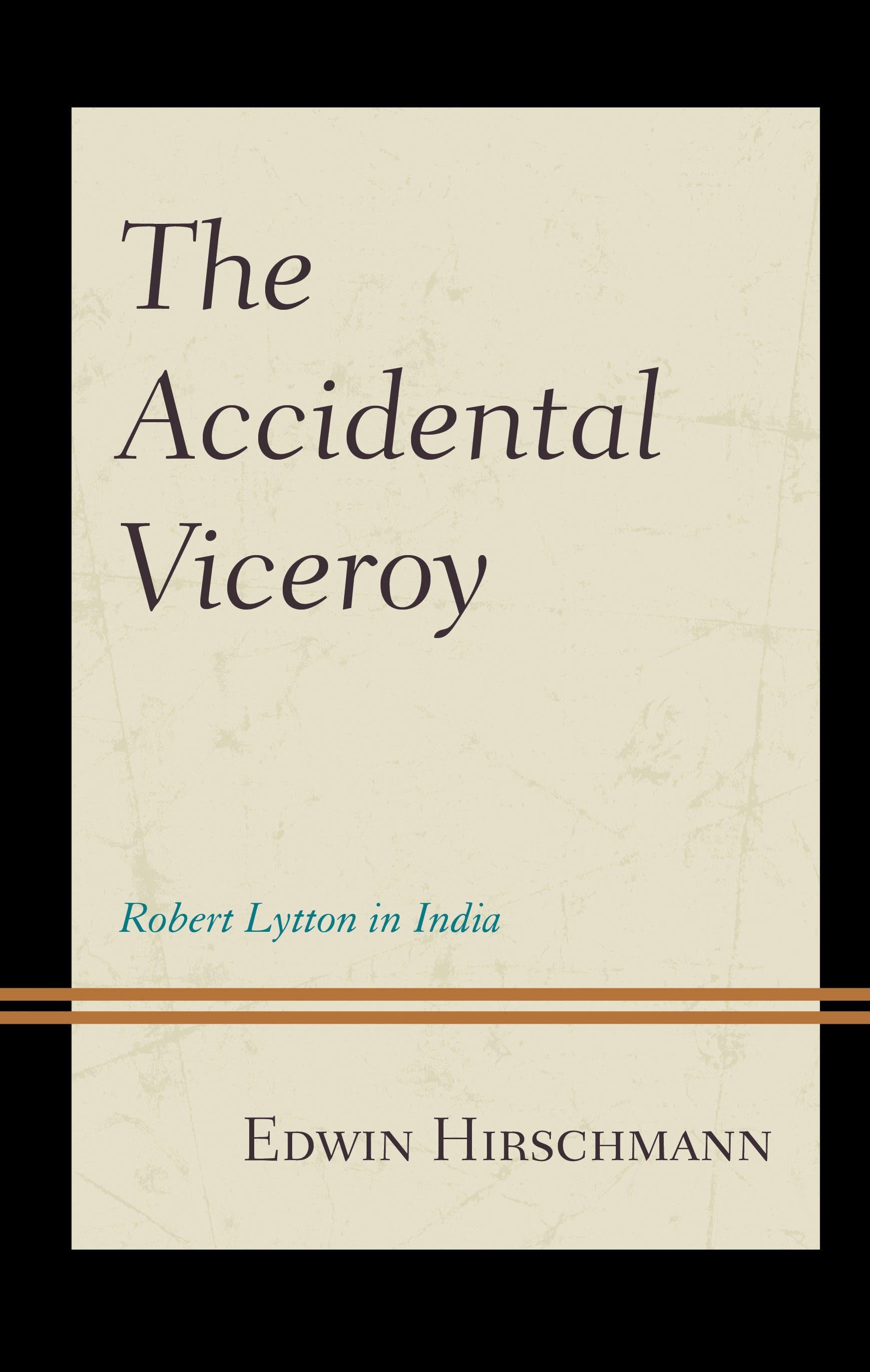
The Age of Imperialism reached its peak in the late nineteenth century. The British Empire was the foremost colonial power, and the keystone was India. However, even at its peak, the British Raj was beset by internal rivalries and fears of external threats. In 1875, British Prime Minister Benjamin Disraeli chose as viceroy Lord Robert Bulwer-Lytton, diplomat and poet, the son of an old friend, but someone with no Indian experience. Lytton accepted reluctantly—and never enjoyed it. He was under the thumb of the Secretary of State for India, the shrewd and ambitious Third Marquess of Salisbury, during most of his four years in India. During his viceroyalty, Lytton had to deal with shifting British policies, a major famine, the freedom-loving people of Afghanistan, an entrenched civil service, and a rising generation of patriotic Indians. In the 1880 elections, Disraeli’s Conservatives were defeated by Gladstone’s Liberals, and Lytton resigned.
Paga fácilmente con tarjeta, Klarna, Apple Pay o Google Pay. ¿No estás contento? Siempre tienes 14 días de garantía de devolución. Lee más en nuestros términos. Si tienes preguntas, escríbenos a hello@memmo.org.
Memmo hace que estudiar sea más fácil, estés donde estés. Aquí tienes tus libros de texto y herramientas de estudio inteligentes en un solo lugar: resúmenes, quizzes, podcasts y flashcards. Y también a Ted, tu compañero de estudio que responde a todo lo que te preguntes. Más de 50 000 estudiantes ya estudian aquí. Está hecho para que aprendas más rápido y te estreses menos.