
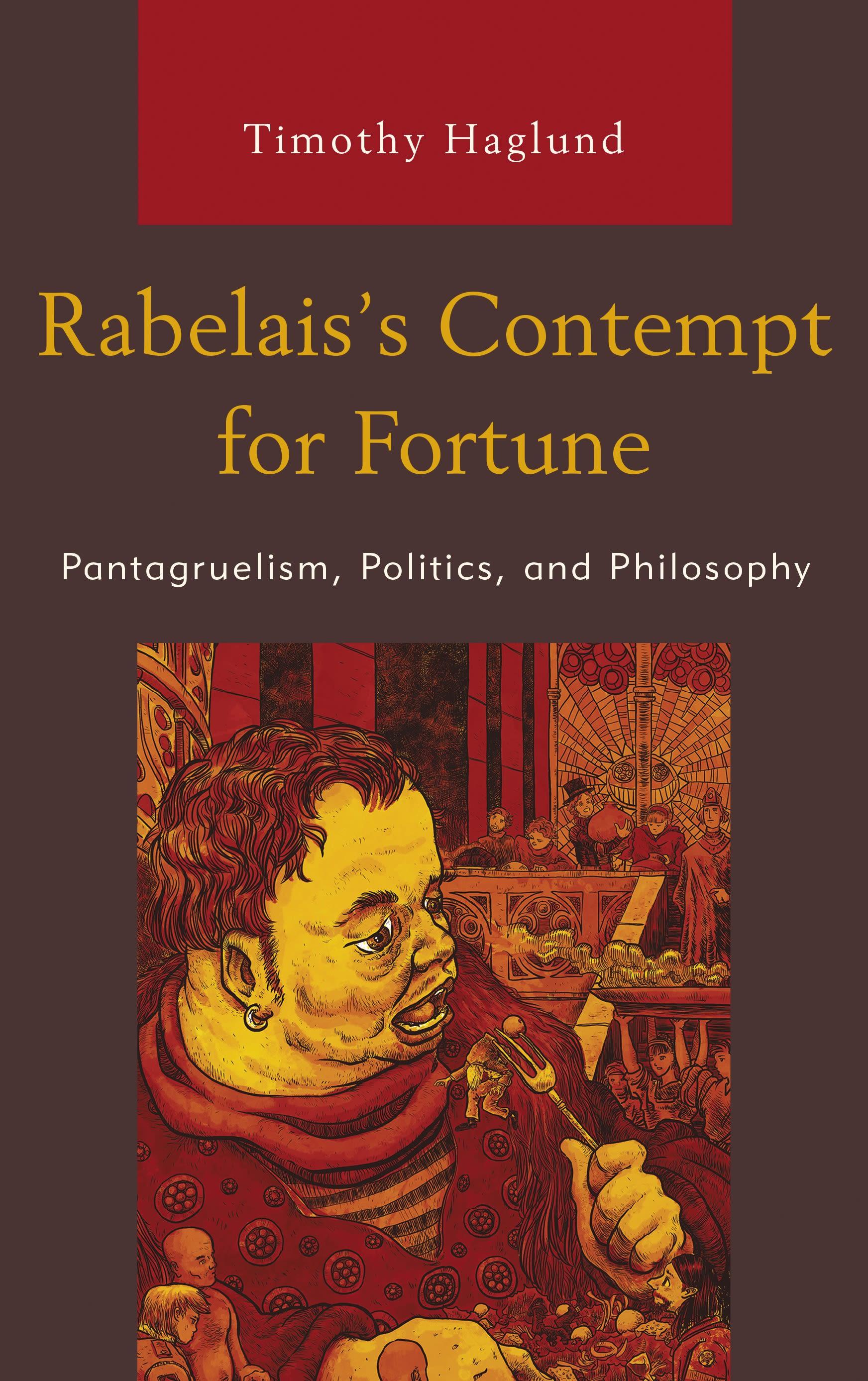
Francois Rabelais wrote Gargantua and Pantagruel at the height of the Renaissance, when top-caliber thinkers aimed to unite the best of freshly rediscovered ancient Greco-Roman theory and practice and transform politics. Through his work, Rabelais offers his unique understanding of ancient philosophy and political thought. This book considers the role of fortune as the key to understanding Rabelais, much in the manner of contemporaries such as Machiavelli. The two could not be more different, however. Throughout his writings, Rabelais attempts to restore respect for the goddess Fortuna through a cheerful restatement of the case for the sober classical attitude toward future things. As Rabelais’s headstrong character Panurge seeks counsel regarding his marriage prospects, various authorities repeatedly warn him that cuckoldry and spousal abuse await. Panurge looks foolhardy during these admonitions. Far from affirming Machiavelli’s instruction, given in chapter 25 of The Prince, to beat fortune like a woman, Rabelais dramatizes Panurge learning that his future femme may beat him. Through this dramatization, Panurge begins to hear the merits of viewing fortune as an intractable part of life that must be shouldered with the proper inner disposition rather than as an object susceptible of human conquest.
Paga fácilmente con tarjeta, Klarna, Apple Pay o Google Pay. ¿No estás contento? Siempre tienes 14 días de garantía de devolución. Lee más en nuestros términos. Si tienes preguntas, escríbenos a hello@memmo.org.
Memmo hace que estudiar sea más fácil, estés donde estés. Aquí tienes tus libros de texto y herramientas de estudio inteligentes en un solo lugar: resúmenes, quizzes, podcasts y flashcards. Y también a Ted, tu compañero de estudio que responde a todo lo que te preguntes. Más de 50 000 estudiantes ya estudian aquí. Está hecho para que aprendas más rápido y te estreses menos.