
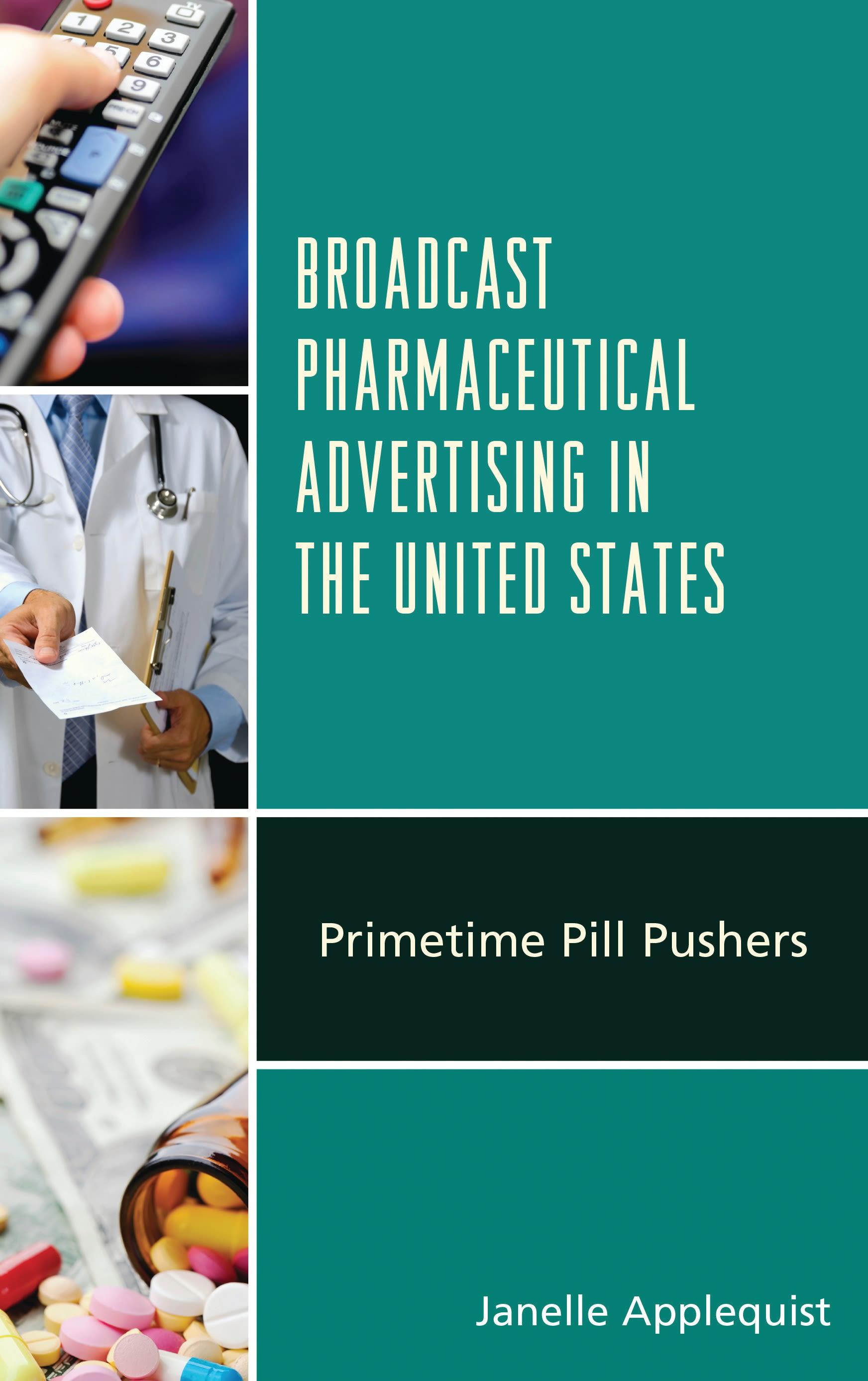
How often do we stop to recognize what pharmaceutical advertisements are telling us? Broadcast Pharmaceutical Advertising in the United States: Prime Time Pill Pushers engages with this question to include how pharmaceutical companies are shaping the meaning of drug interventions for individuals and the ways in which pharmaceutical advertisements frame issues of identity and representation for patients and health care. Such issues highlight how patients are being framed as consumers in these advertisements, which then permits the commodification of health care to be celebrated. Such a celebration has strong ideological implications, including definitions of “the good life,” patient agency, and the role of DTCAs in such depictions. By defining and discussing medicalization, pharmaceuticalization, and commodity fetishism, this book introduces how the term “pharmaceutical fetishism” can act as a means for describing the commodification of brand-name pharmaceutical drugs, which, via advertising and promotional culture, ignores large-scale production and for-profit motives of “big pharma.”
Paga fácilmente con tarjeta, Klarna, Apple Pay o Google Pay. ¿No estás contento? Siempre tienes 14 días de garantía de devolución. Lee más en nuestros términos. Si tienes preguntas, escríbenos a hello@memmo.org.
Memmo hace que estudiar sea más fácil, estés donde estés. Aquí tienes tus libros de texto y herramientas de estudio inteligentes en un solo lugar: resúmenes, quizzes, podcasts y flashcards. Y también a Ted, tu compañero de estudio que responde a todo lo que te preguntes. Más de 50 000 estudiantes ya estudian aquí. Está hecho para que aprendas más rápido y te estreses menos.