
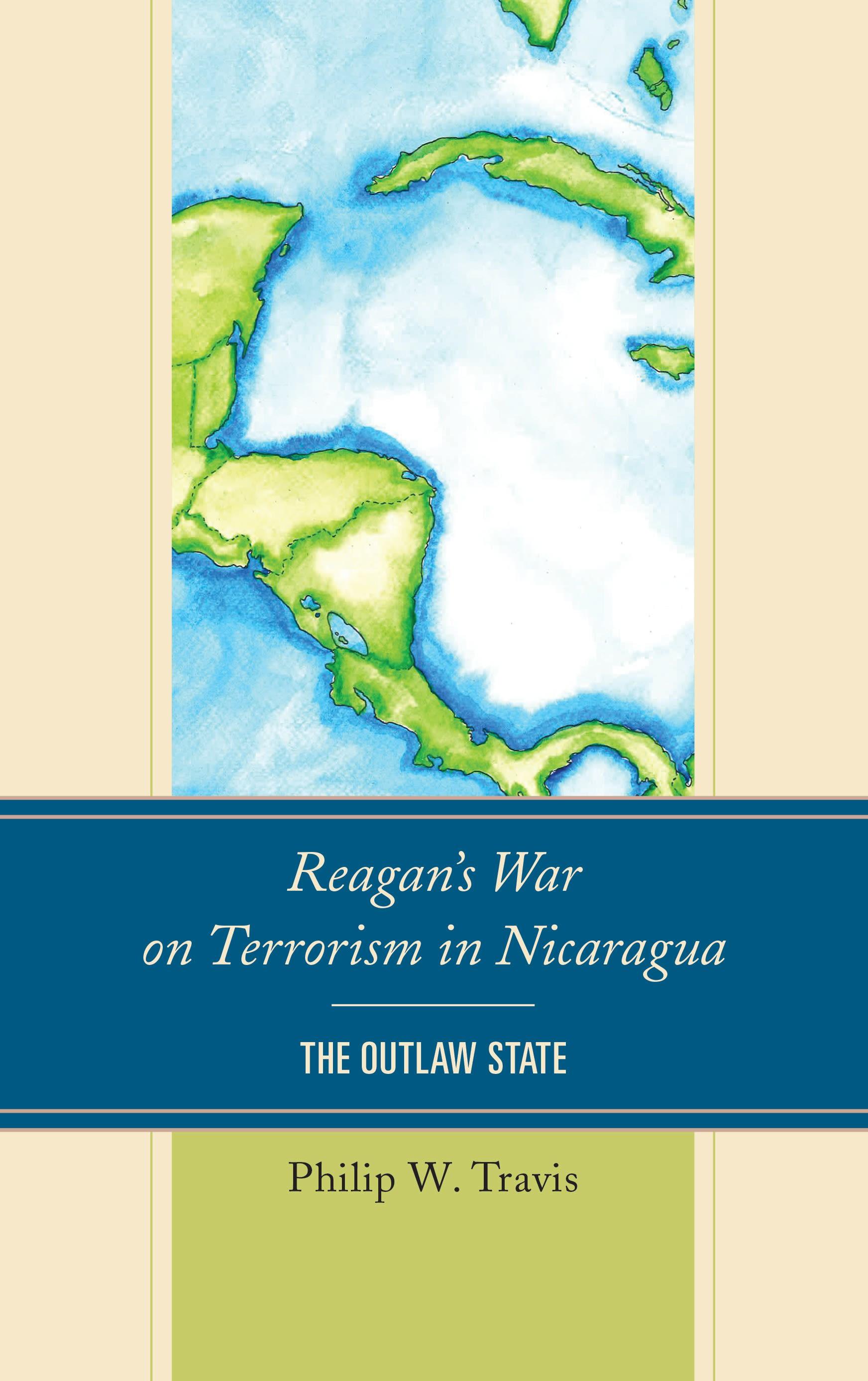
During the first two years of Ronald Reagan’s second term the United States developed an offensive strategy for dealing with conflict in the developing world. Nicaragua was a primary target of this policy. Scholars refer to this as the Reagan offensive: the first time that the United States eschewed the norms of containment and sought to “roll-back” the gains of communism. However, the Reagan offensive was also significantly driven by a response to the emergent threat of international terrorism. Terrorism provided a vehicle that justified its use of aggressive proxy war and pursuit of regime change in Central America. U.S. policy with Nicaragua demonstrates the importance of terrorism to the development of a more aggressive United States in the post-Cold War world.
This book examines the influence of the U.S.-Contra War in establishing a precedent for the use of overt pre-emptive force against sovereign nations in the name of counterterrorism. In the 21st century, the United States undertook a policy with the world based on a broad definition of self-defense that called for an array of actions that often violated traditional norms of international law and recognition of sovereign rights. This book demonstrates that the precedent for this change occurred in the late Cold War as the United States sought to respond to an escalation of global terrorism. The emergent problem of terrorism in the 1970s and 1980s transformed how and when the United States applied force in the world.
This book examines the influence of the U.S.-Contra War in establishing a precedent for the use of overt pre-emptive force against sovereign nations in the name of counterterrorism. In the 21st century, the United States undertook a policy with the world based on a broad definition of self-defense that called for an array of actions that often violated traditional norms of international law and recognition of sovereign rights. This book demonstrates that the precedent for this change occurred in the late Cold War as the United States sought to respond to an escalation of global terrorism. The emergent problem of terrorism in the 1970s and 1980s transformed how and when the United States applied force in the world.
Paga fácilmente con tarjeta, Klarna, Apple Pay o Google Pay. ¿No estás contento? Siempre tienes 14 días de garantía de devolución. Lee más en nuestros términos. Si tienes preguntas, escríbenos a hello@memmo.org.
Memmo hace que estudiar sea más fácil, estés donde estés. Aquí tienes tus libros de texto y herramientas de estudio inteligentes en un solo lugar: resúmenes, quizzes, podcasts y flashcards. Y también a Ted, tu compañero de estudio que responde a todo lo que te preguntes. Más de 50 000 estudiantes ya estudian aquí. Está hecho para que aprendas más rápido y te estreses menos.