
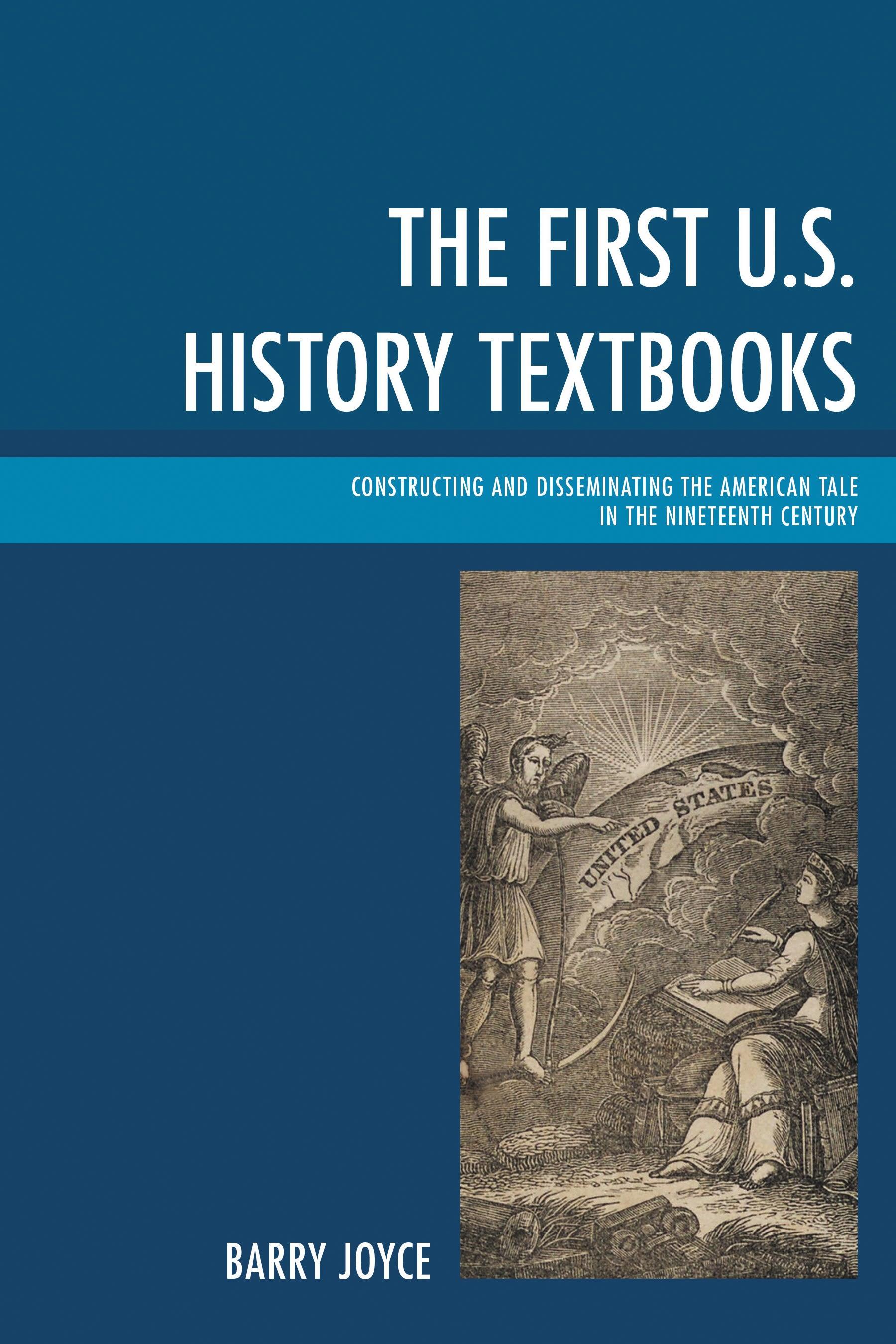
This book analyzes the common narrative residing in American History textbooks published in the first half of the 19th century. That story, what the author identifies as the American “creation” or “origins” narrative, is simultaneously examined as both historic and “mythic” in composition. It offers a fresh, multidisciplinary perspective on an enduring aspect of these works. The book begins with a provocative thesis that proposes the importance of the relationship between myth and history in the creation of America’s textbook narrative. It ends with a passionate call for a truly inclusive story of who Americans are and what Americans aspire to become.
The book is organized into three related sections. The first section provides the context for the emergence of American History textbooks. It analyzes the structure and utility of these school histories within the context of antebellum American society and educational practices. The second section is the heart of the book. It recounts and scrutinizes the textbook narrative as it tells the story of America’s emergence from “prehistory” through the American Revolution—the origins story of America. This section identifies the recurring themes and images that together constitute what early educators conceived as a unified cultural narrative. Section three examines the sectional bifurcation and eventual re-unification of the American History textbook narrative from the 1850s into the early 20th century. The book concludes by revisiting the relationship between textbooks, the American story, and mythic narratives in light of current debates and controversies over textbooks, American history curriculum and a common American narrative.
The book is organized into three related sections. The first section provides the context for the emergence of American History textbooks. It analyzes the structure and utility of these school histories within the context of antebellum American society and educational practices. The second section is the heart of the book. It recounts and scrutinizes the textbook narrative as it tells the story of America’s emergence from “prehistory” through the American Revolution—the origins story of America. This section identifies the recurring themes and images that together constitute what early educators conceived as a unified cultural narrative. Section three examines the sectional bifurcation and eventual re-unification of the American History textbook narrative from the 1850s into the early 20th century. The book concludes by revisiting the relationship between textbooks, the American story, and mythic narratives in light of current debates and controversies over textbooks, American history curriculum and a common American narrative.
Paga fácilmente con tarjeta, Klarna, Apple Pay o Google Pay. ¿No estás contento? Siempre tienes 14 días de garantía de devolución. Lee más en nuestros términos. Si tienes preguntas, escríbenos a hello@memmo.org.
Memmo hace que estudiar sea más fácil, estés donde estés. Aquí tienes tus libros de texto y herramientas de estudio inteligentes en un solo lugar: resúmenes, quizzes, podcasts y flashcards. Y también a Ted, tu compañero de estudio que responde a todo lo que te preguntes. Más de 50 000 estudiantes ya estudian aquí. Está hecho para que aprendas más rápido y te estreses menos.