
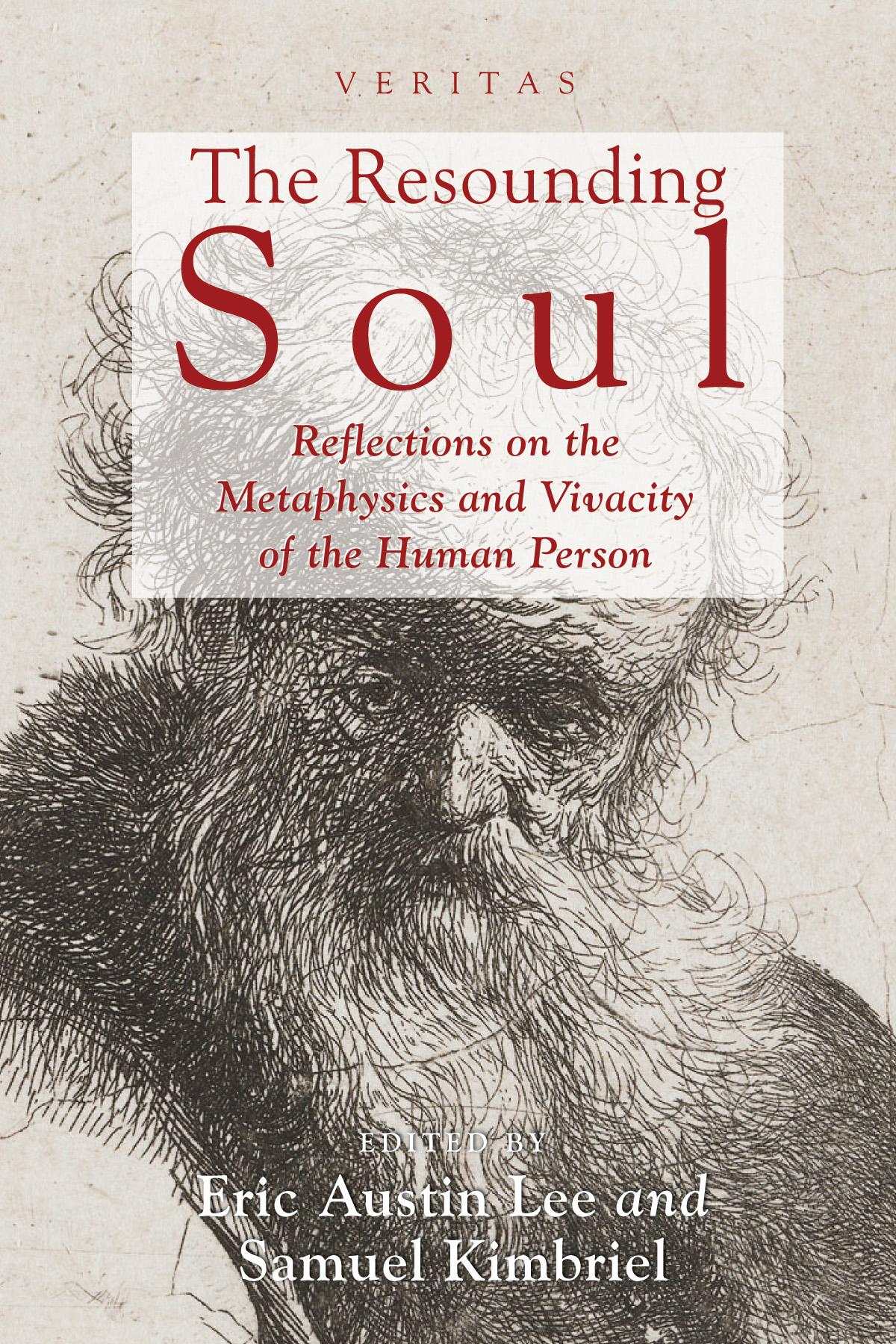
It is surely not coincidental that the term "soul" should mean not only the center of a creature's life and consciousness, but also a thing or action characterized by intense vivacity ("that bike's got soul!"). It also seems far from coincidental that the same contemporary academic discussions that have largely cast aside the language of "soul" in their quest to define the character of human mental life should themselves be so--how to say it?--bloodless, so lacking in soul. This volume arises from the opposite premise, namely that the task of understanding human nature is bound up with and in important respects dependent upon the more critical task of learning to be fully human, of learning to have soul. The papers collected here are derived from a conference in Oxford sponsored by the Centre of Theology and Philosophy and together explore the often surprising landscape that emerges when human consciousness is approached from this angle. Drawing upon literary, philosophical, theological, historical, and musical modes of analysis, the essays of this volume vividly remind the reader of the power of the ancient language of soul over against contemporary impulses to reduce, fragment, and overly determine human selfhood.
Paga fácilmente con tarjeta, Klarna, Apple Pay o Google Pay. ¿No estás contento? Siempre tienes 14 días de garantía de devolución. Lee más en nuestros términos. Si tienes preguntas, escríbenos a hello@memmo.org.
Memmo hace que estudiar sea más fácil, estés donde estés. Aquí tienes tus libros de texto y herramientas de estudio inteligentes en un solo lugar: resúmenes, quizzes, podcasts y flashcards. Y también a Ted, tu compañero de estudio que responde a todo lo que te preguntes. Más de 50 000 estudiantes ya estudian aquí. Está hecho para que aprendas más rápido y te estreses menos.
También te podría gustar
Comprar el libro0