
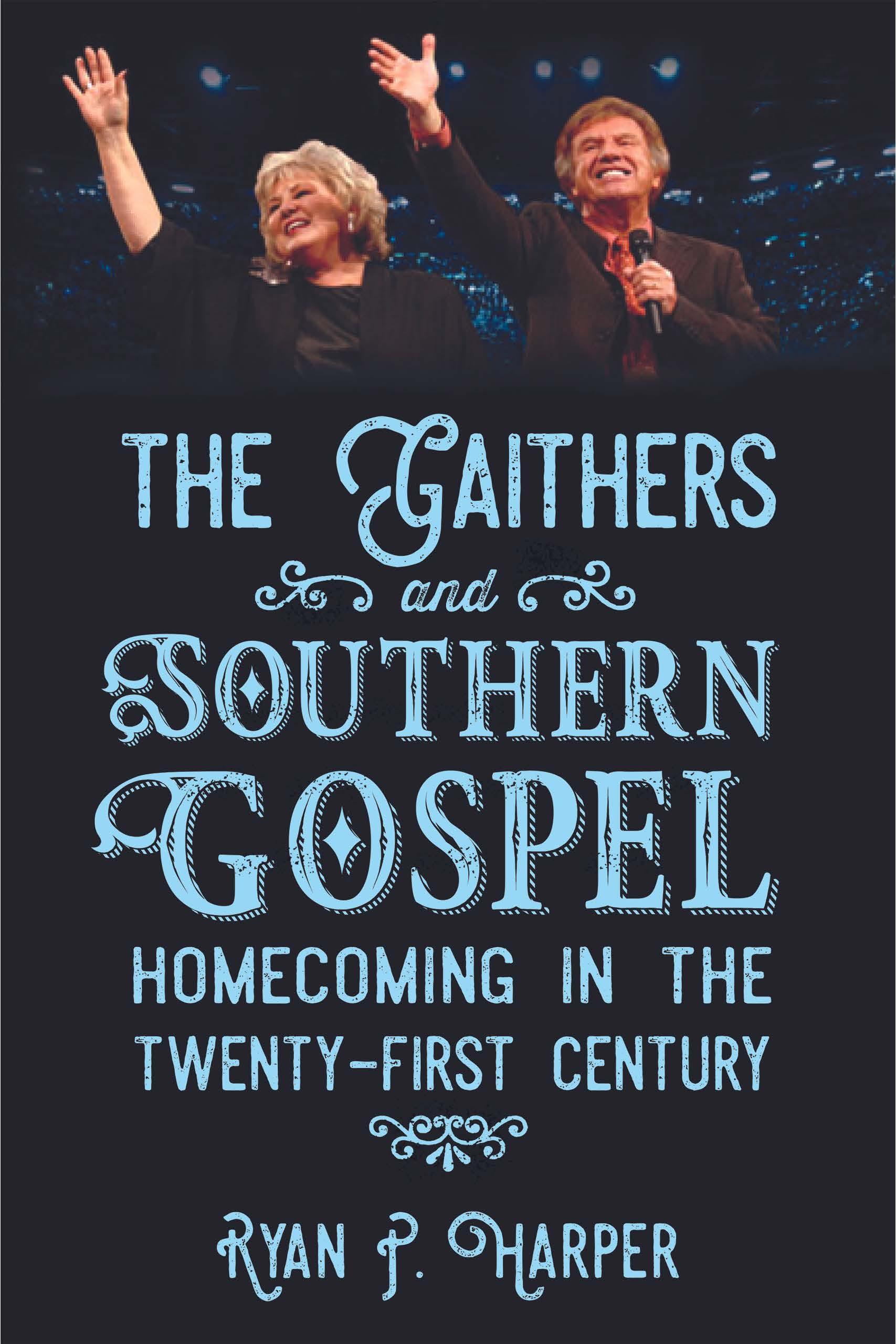
In The Gaithers and Southern Gospel, Ryan P. Harper examines songwriters Bill and Gloria Gaither's Homecoming video and concert series--a gospel music franchise that, since its beginning in 1991, has outperformed all Christian and much secular popular music on the American music market.
The Homecomings represent "southern gospel." Typically that means a musical style popular among white evangelical Christians in the American South and Midwest, and it sometimes overlaps in style, theme, and audience with country music. The Homecomings' nostalgic orientation--their celebration of "traditional" kinds of American Christian life--harmonize well with southern gospel music, past and present. But amidst the backward gazes, the Homecomings also portend and manifest change. The Gaithers' deliberate racial integration of their stages, their careful articulation of a relatively inclusive evangelical theology, and their experiments with an array of musical forms demonstrate that the Homecoming is neither simplistically nostalgic, nor solely "southern."
Harper reveals how the Gaithers negotiate a tension between traditional and changing community norms as they seek simultaneously to maintain and expand their audience as well as to initiate and respond to shifts within their fan base. Pulling from his field work at Homecoming concerts, behind the scenes with the Gaithers, and with numerous Homecoming fans, Harper reveals the Homecoming world to be a dynamic, complicated constellation in the formation of American religious identity.
The Homecomings represent "southern gospel." Typically that means a musical style popular among white evangelical Christians in the American South and Midwest, and it sometimes overlaps in style, theme, and audience with country music. The Homecomings' nostalgic orientation--their celebration of "traditional" kinds of American Christian life--harmonize well with southern gospel music, past and present. But amidst the backward gazes, the Homecomings also portend and manifest change. The Gaithers' deliberate racial integration of their stages, their careful articulation of a relatively inclusive evangelical theology, and their experiments with an array of musical forms demonstrate that the Homecoming is neither simplistically nostalgic, nor solely "southern."
Harper reveals how the Gaithers negotiate a tension between traditional and changing community norms as they seek simultaneously to maintain and expand their audience as well as to initiate and respond to shifts within their fan base. Pulling from his field work at Homecoming concerts, behind the scenes with the Gaithers, and with numerous Homecoming fans, Harper reveals the Homecoming world to be a dynamic, complicated constellation in the formation of American religious identity.
Paga fácilmente con tarjeta, Klarna, Apple Pay o Google Pay. ¿No estás contento? Siempre tienes 14 días de garantía de devolución. Lee más en nuestros términos. Si tienes preguntas, escríbenos a hello@memmo.org.
Memmo hace que estudiar sea más fácil, estés donde estés. Aquí tienes tus libros de texto y herramientas de estudio inteligentes en un solo lugar: resúmenes, quizzes, podcasts y flashcards. Y también a Ted, tu compañero de estudio que responde a todo lo que te preguntes. Más de 50 000 estudiantes ya estudian aquí. Está hecho para que aprendas más rápido y te estreses menos.
También te podría gustar
Comprar el libro0