
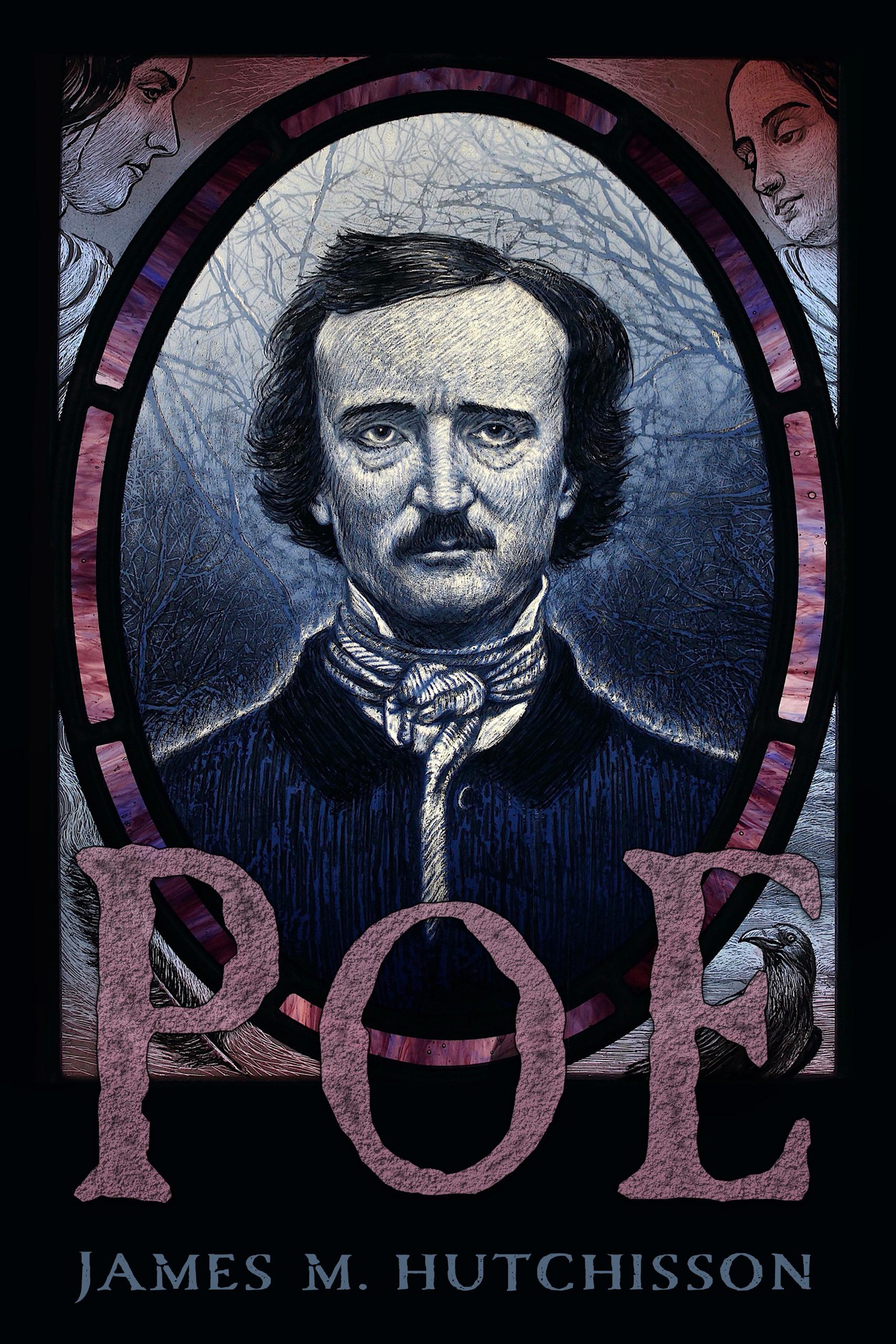
Edgar Allan Poe (1809–1849) was an American original—a luminous literary theorist, an erratic genius, and an analyst par excellence of human obsession and compulsion. The scope of his literary achievements and the dramatic character of Poe’s life have drawn readers and critics to him in droves.
And yet, upon his death, one obituary penned by a literary enemy in the New York Daily Tribune cascaded into a lasting stain on Poe’s character, leaving a historic misunderstanding. Many remember Poe as a difficult, self-pitying, troubled drunkard often incapable of caring for himself.
Poe reclaims the Baltimore and Virginia writer’s reputation and power, retracing Poe’s life and career. Biographer and critic James M. Hutchisson captures the boisterous worlds of literary New York and Philadelphia in the 1800s to understand why Poe wrote the way he did and why his achievement was so important to American literature. The biography presents a critical overview of Poe’s major works and his main themes, techniques, and imaginative preoccupations.
This portrait of the writer emphasizes Poe’s southern identity; his existence as a workaday journalist in the burgeoning magazine era; his authority as a literary critic and cultural arbiter; his courtly demeanor and sense of social propriety; his advocacy of women writers; his adaptation of art forms as diverse as the so-called “gutter press” and the haunting rhythms of African American spirituals; his borrowing of imagery from such popular social movements as temperance and freemasonry; and his far-reaching, posthumous influence.
And yet, upon his death, one obituary penned by a literary enemy in the New York Daily Tribune cascaded into a lasting stain on Poe’s character, leaving a historic misunderstanding. Many remember Poe as a difficult, self-pitying, troubled drunkard often incapable of caring for himself.
Poe reclaims the Baltimore and Virginia writer’s reputation and power, retracing Poe’s life and career. Biographer and critic James M. Hutchisson captures the boisterous worlds of literary New York and Philadelphia in the 1800s to understand why Poe wrote the way he did and why his achievement was so important to American literature. The biography presents a critical overview of Poe’s major works and his main themes, techniques, and imaginative preoccupations.
This portrait of the writer emphasizes Poe’s southern identity; his existence as a workaday journalist in the burgeoning magazine era; his authority as a literary critic and cultural arbiter; his courtly demeanor and sense of social propriety; his advocacy of women writers; his adaptation of art forms as diverse as the so-called “gutter press” and the haunting rhythms of African American spirituals; his borrowing of imagery from such popular social movements as temperance and freemasonry; and his far-reaching, posthumous influence.
Paga fácilmente con tarjeta, Klarna, Apple Pay o Google Pay. ¿No estás contento? Siempre tienes 14 días de garantía de devolución. Lee más en nuestros términos. Si tienes preguntas, escríbenos a hello@memmo.org.
Memmo hace que estudiar sea más fácil, estés donde estés. Aquí tienes tus libros de texto y herramientas de estudio inteligentes en un solo lugar: resúmenes, quizzes, podcasts y flashcards. Y también a Ted, tu compañero de estudio que responde a todo lo que te preguntes. Más de 50 000 estudiantes ya estudian aquí. Está hecho para que aprendas más rápido y te estreses menos.
También te podría gustar
Comprar el libro0