
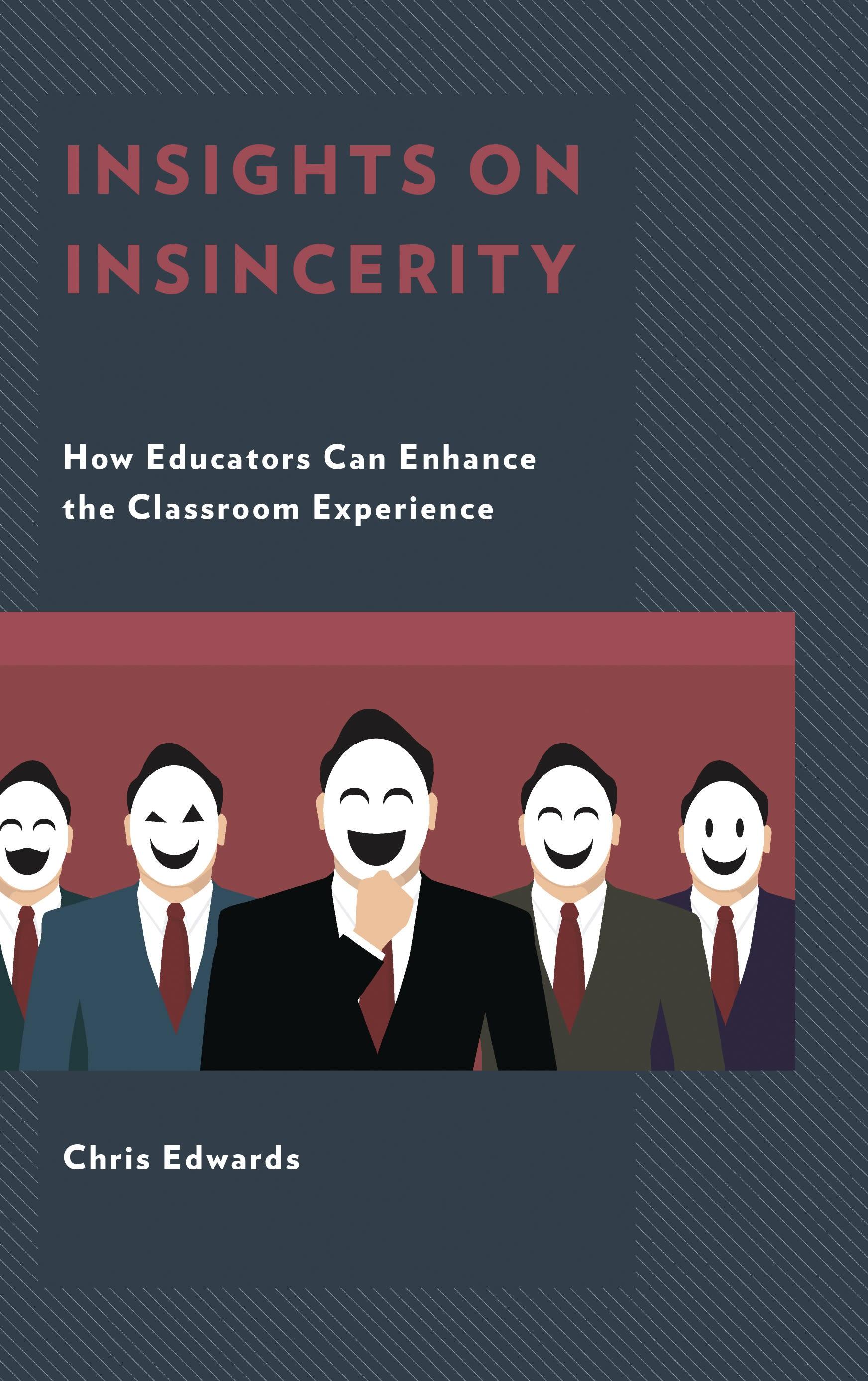
Erasmus praised folly and the Romantics waxed poetically about love, but no one until now has traced the history and impact of insincerity on society and the humanities. Insincerity arises when someone feels one way but acts another and an insincere situation looks to have one purpose but really hides another. Insincerity finds expression in four types of relationships: 1. From authority to the subordinate, 2. From the subordinate to authority, 3. Between equals 4. In society and in the self. Educators can discover how highlight insincerity in literature, history, psychology, sociology, politics, and popular culture. All readers can learn how to identify insincerity in their everyday relationships. Was that meeting at work really about conveying information and soliciting responses, or was it really about reinforcing the corporate hierarchy? When Galileo apologized to the Inquisition for positing a “solar” system, did he bring an end to an era of great religious sincerity? What did George Orwell get so wrong about insincerity in 1984? Most importantly, readers can find out what they should do when they you encounter that modern phrase that manifests insincerity: Thanks so much for your feedback.
Paga fácilmente con tarjeta, Klarna, Apple Pay o Google Pay. ¿No estás contento? Siempre tienes 14 días de garantía de devolución. Lee más en nuestros términos. Si tienes preguntas, escríbenos a hello@memmo.org.
Memmo hace que estudiar sea más fácil, estés donde estés. Aquí tienes tus libros de texto y herramientas de estudio inteligentes en un solo lugar: resúmenes, quizzes, podcasts y flashcards. Y también a Ted, tu compañero de estudio que responde a todo lo que te preguntes. Más de 50 000 estudiantes ya estudian aquí. Está hecho para que aprendas más rápido y te estreses menos.