
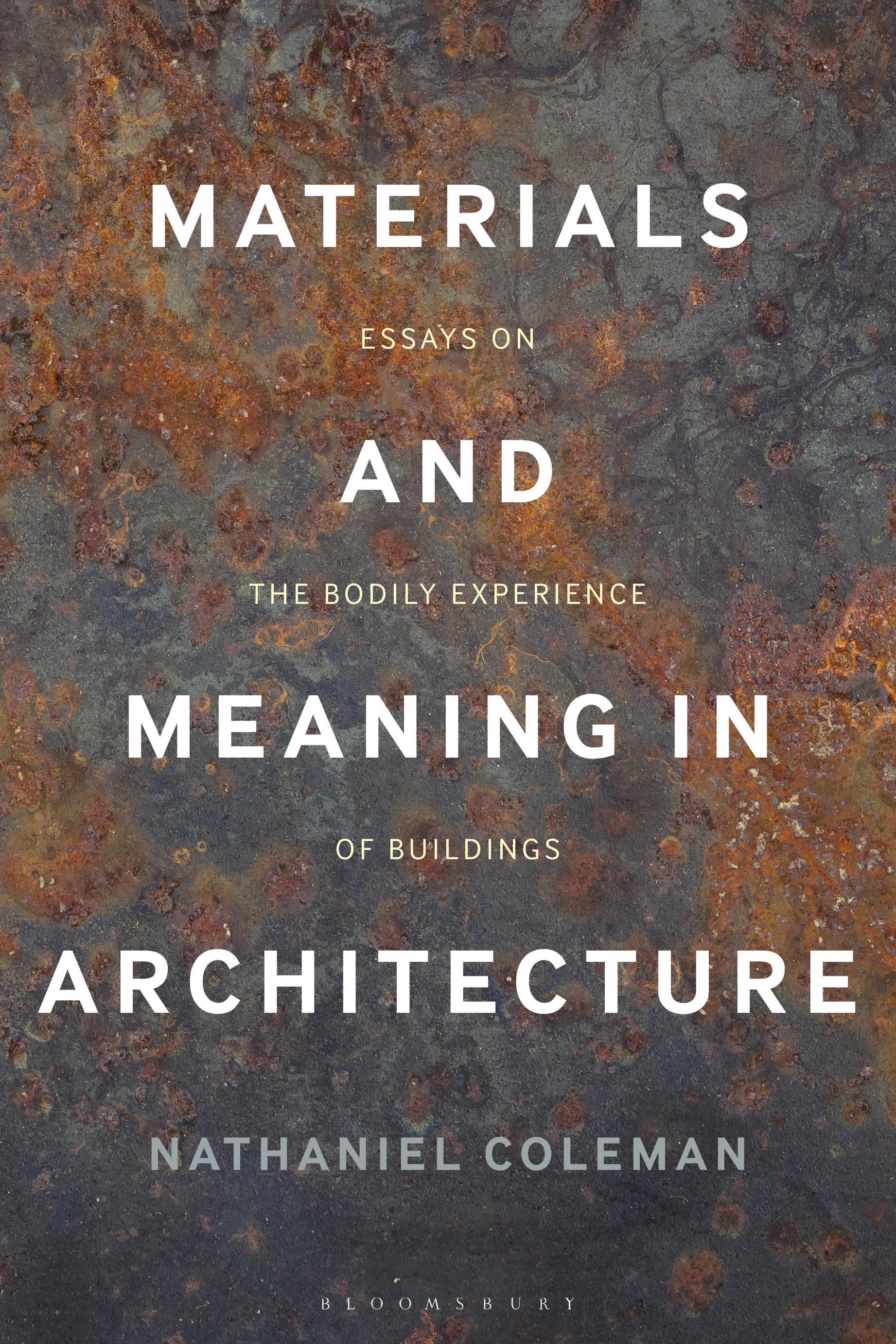
Interweaving architecture, philosophy and cultural history, Materials and Meaning in Architecture develops a rich and multi-dimensional exploration of materials and materiality, in an age when architectural practice seems otherwise preoccupied with image and visual representation.
Arguing that architecture is primarily experienced by the whole body, rather than chiefly with the eyes, this broad-ranging study shows how the most engaging built works are as tactile as they are sensuous, communicating directly with the bodily senses, especially touch. It explores the theme of 'material imagination' and the power of establishing 'place identity' in an architect's work, to consider the enduring expressive possibilities of material use in architecture.
The book's chapters can be dipped into, each individual chapter providing close readings of built works by selected modern masters (Scarpa, Zumthor, Williams and Tsien), insights into key texts and theories (Ruskin, Loos, Bachelard), or short cultural histories of materials (wood, brick, concrete, steel, and glass). And yet, taken together, the chapters build to a powerful book-length argument about how meaning accrues to materials through time, and about the need to reinsert the bodily experience of materiality into architectural design. It is thus also, in part, a manifesto: arguing for architecture to act as a bulwark against the tide of an increasingly depersonalised built environment.
With insights for a wide range of readers, ranging from students through to researchers and professional designers, Materials and Meaning in Architecture will cause theorists to rethink their assumptions and designers to see new potential for their projects.
Arguing that architecture is primarily experienced by the whole body, rather than chiefly with the eyes, this broad-ranging study shows how the most engaging built works are as tactile as they are sensuous, communicating directly with the bodily senses, especially touch. It explores the theme of 'material imagination' and the power of establishing 'place identity' in an architect's work, to consider the enduring expressive possibilities of material use in architecture.
The book's chapters can be dipped into, each individual chapter providing close readings of built works by selected modern masters (Scarpa, Zumthor, Williams and Tsien), insights into key texts and theories (Ruskin, Loos, Bachelard), or short cultural histories of materials (wood, brick, concrete, steel, and glass). And yet, taken together, the chapters build to a powerful book-length argument about how meaning accrues to materials through time, and about the need to reinsert the bodily experience of materiality into architectural design. It is thus also, in part, a manifesto: arguing for architecture to act as a bulwark against the tide of an increasingly depersonalised built environment.
With insights for a wide range of readers, ranging from students through to researchers and professional designers, Materials and Meaning in Architecture will cause theorists to rethink their assumptions and designers to see new potential for their projects.
Páginas: 336
Categoría: Arkitektur & Stadsplanering
e-ISBN: 9781474287739
Peso de envío: 1.2 kg
Envío en: 1-2 días
Paga fácilmente con tarjeta, Klarna, Apple Pay o Google Pay. ¿No estás contento? Siempre tienes 14 días de garantía de devolución. Lee más en nuestros términos. Si tienes preguntas, escríbenos a hello@memmo.org.
Memmo hace que estudiar sea más fácil, estés donde estés. Aquí tienes tus libros de texto y herramientas de estudio inteligentes en un solo lugar: resúmenes, quizzes, podcasts y flashcards. Y también a Ted, tu compañero de estudio que responde a todo lo que te preguntes. Más de 50 000 estudiantes ya estudian aquí. Está hecho para que aprendas más rápido y te estreses menos.