
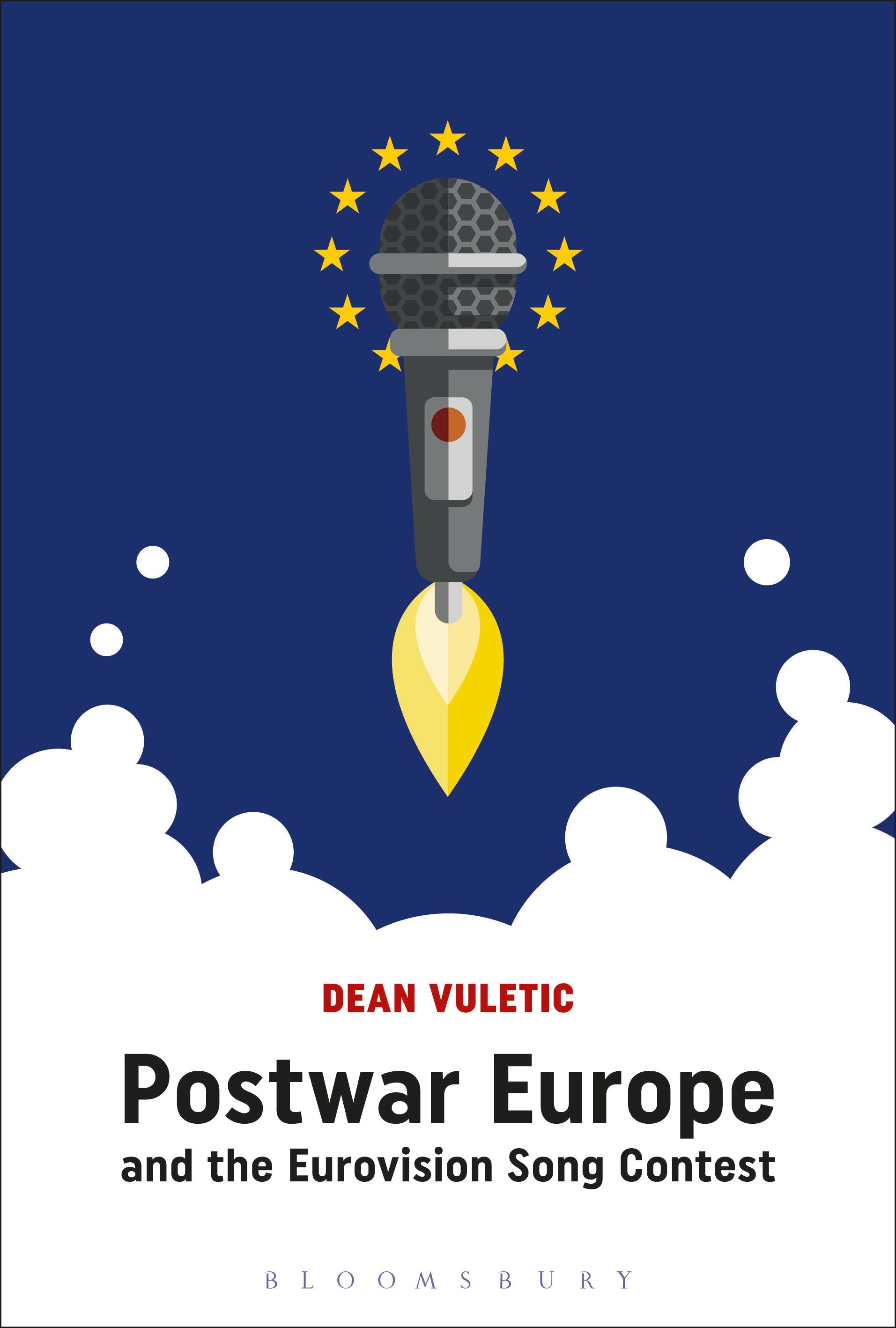
Postwar Europe and the Eurovision Song Contest examines how the Eurovision Song Contest has reflected and become intertwined with the history of postwar Europe from a political perspective.
Established in 1956, the Eurovision Song Contest is the world's largest popular music event and one of the most popular television programmes in Europe, currently attracting a global audience of around 200 million people. Eurovision is often mocked as cultural kitsch because of its over-the-top performances and frivolous song lyrics. Yet there is no cultural medium that connects Europeans more than popular music, the development of which has always been tied to cultural, economic, political, social and technological change – making Eurovision the ideal tool to explain the history of Europe in the last sixty years. This book uses Eurovision as a vehicle to address topics ranging from the Cold War, liberal democracy and communism to nationalism, European integration, economic prosperity and human rights. It analyses these subjects through their cultural, political and social relationships with Eurovision entries as expressed through lyrics and music, as well as by examining public debates that have accompanied the selection of the entries and the organisation of the contest itself. Postwar Europe and the Eurovision Song Contest also considers how states have used Eurovision to define their identities in a European context, be it to assert their national distinctiveness, highlight political issues or affirm their Europeanism or Euroscepticism in the context of European integration.
Based on original sources, including hitherto unpublished archival documents from international broadcasting organisations, this is a novel historical study of interest to anyone keen to know more about the postwar history of Europe and its cultural history in particular.
Established in 1956, the Eurovision Song Contest is the world's largest popular music event and one of the most popular television programmes in Europe, currently attracting a global audience of around 200 million people. Eurovision is often mocked as cultural kitsch because of its over-the-top performances and frivolous song lyrics. Yet there is no cultural medium that connects Europeans more than popular music, the development of which has always been tied to cultural, economic, political, social and technological change – making Eurovision the ideal tool to explain the history of Europe in the last sixty years. This book uses Eurovision as a vehicle to address topics ranging from the Cold War, liberal democracy and communism to nationalism, European integration, economic prosperity and human rights. It analyses these subjects through their cultural, political and social relationships with Eurovision entries as expressed through lyrics and music, as well as by examining public debates that have accompanied the selection of the entries and the organisation of the contest itself. Postwar Europe and the Eurovision Song Contest also considers how states have used Eurovision to define their identities in a European context, be it to assert their national distinctiveness, highlight political issues or affirm their Europeanism or Euroscepticism in the context of European integration.
Based on original sources, including hitherto unpublished archival documents from international broadcasting organisations, this is a novel historical study of interest to anyone keen to know more about the postwar history of Europe and its cultural history in particular.
Paga fácilmente con tarjeta, Klarna, Apple Pay o Google Pay. ¿No estás contento? Siempre tienes 14 días de garantía de devolución. Lee más en nuestros términos. Si tienes preguntas, escríbenos a hello@memmo.org.
Memmo hace que estudiar sea más fácil, estés donde estés. Aquí tienes tus libros de texto y herramientas de estudio inteligentes en un solo lugar: resúmenes, quizzes, podcasts y flashcards. Y también a Ted, tu compañero de estudio que responde a todo lo que te preguntes. Más de 50 000 estudiantes ya estudian aquí. Está hecho para que aprendas más rápido y te estreses menos.