
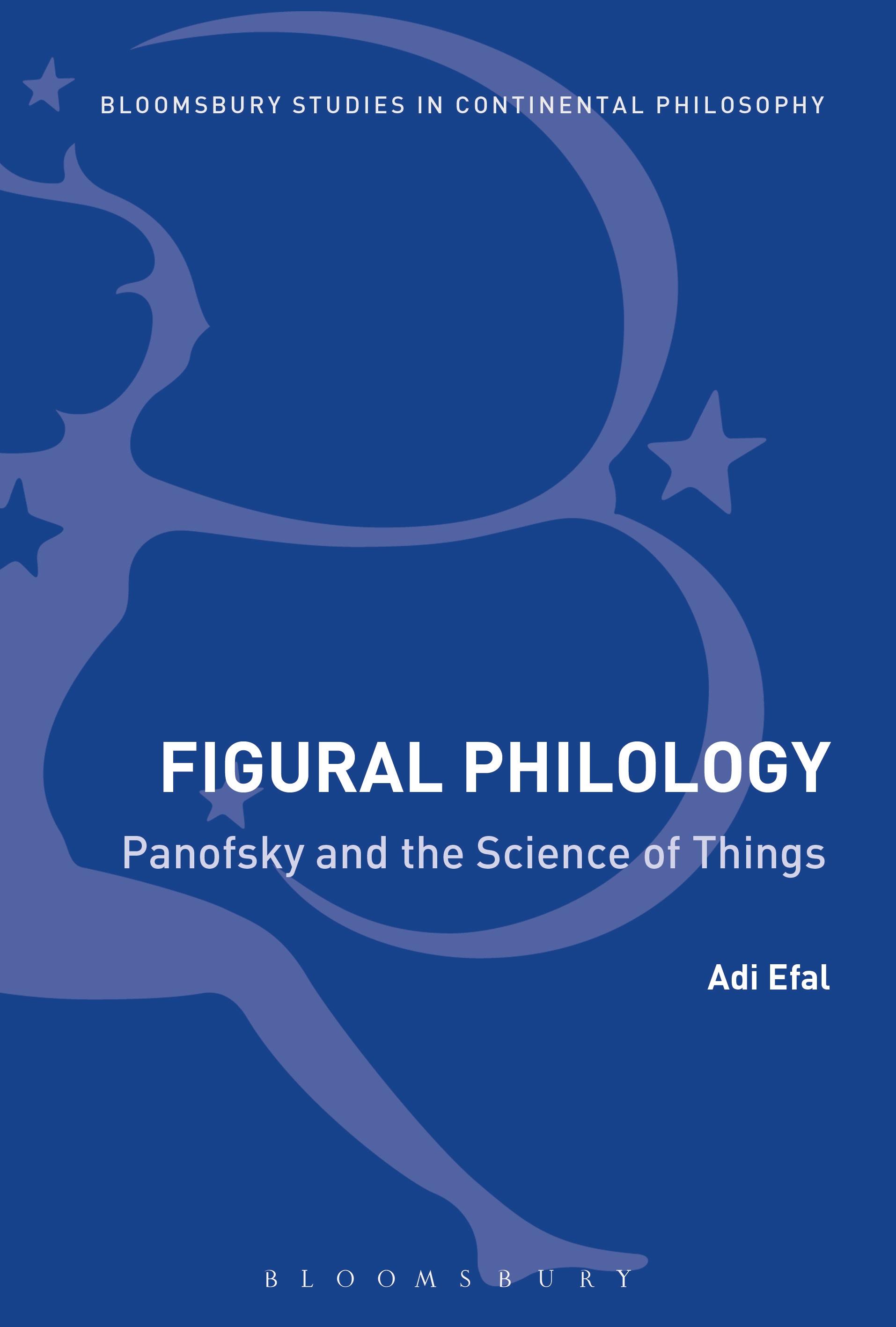
Though inspired by a Panofskyan legacy, this book diverges at certain points from Erwin Panofsky's declared objectives, and calls attention to several of aspects that were until now less accentuated in his intellectual reception. Insisting on the importance of iconology as a method for art history and the humanities in general, it shows how examining this promotes a cooperation between the history of art and the history of philosophy. It discusses whether Panofsky's method could be of use for general questions in the epistemology of the historical sciences that examine human works.
Figural Philology also shows that Panofsky shares affinities with twentieth-century romance philology. A reading of Panofsky's work alongside the philological enterprise of Erich Auerbach and several other authors demonstrates that a proper appropriation of the philological impulse can provide a way out of the methodological antimony still hanging between hyper-formalist and hyper-theoretical approaches to the history of art.
Figural Philology also shows that Panofsky shares affinities with twentieth-century romance philology. A reading of Panofsky's work alongside the philological enterprise of Erich Auerbach and several other authors demonstrates that a proper appropriation of the philological impulse can provide a way out of the methodological antimony still hanging between hyper-formalist and hyper-theoretical approaches to the history of art.
Paga fácilmente con tarjeta, Klarna, Apple Pay o Google Pay. ¿No estás contento? Siempre tienes 14 días de garantía de devolución. Lee más en nuestros términos. Si tienes preguntas, escríbenos a hello@memmo.org.
Memmo hace que estudiar sea más fácil, estés donde estés. Aquí tienes tus libros de texto y herramientas de estudio inteligentes en un solo lugar: resúmenes, quizzes, podcasts y flashcards. Y también a Ted, tu compañero de estudio que responde a todo lo que te preguntes. Más de 50 000 estudiantes ya estudian aquí. Está hecho para que aprendas más rápido y te estreses menos.