
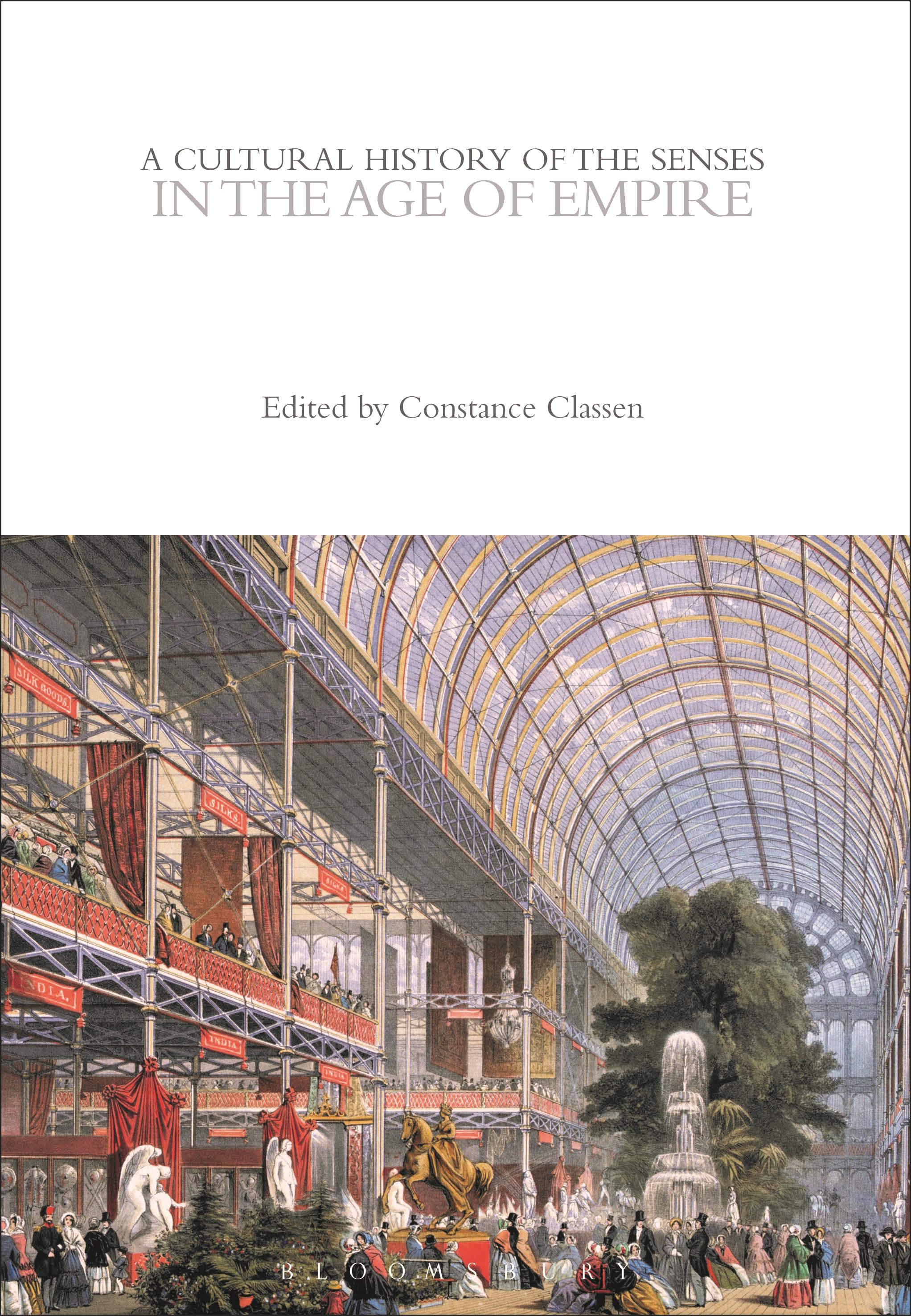
The 19th century was a time of new sensory experiences and modes of perception. The raucous mechanical intensity of the train and the factory vied for attention with the dazzling splendour of department stores and world fairs. Colonization and trade carried European sensations and sensibilities to the world and, in turn, flooded the West with exotic sights and savours. Urban stench became a matter of urgent public concern. Photography created a compelling alternate reality accessible only to the eye. At the turn of the 20th century, the telephone and the radio isolated and extended the sense of hearing and electrical networks spread their webs throughout cities. These novel experiences were reflected in contemporary art and literature, which strove for new ways to express modern sensibilities. A Cultural History of the Senses in the Age of Empire brings together a group of eminent historians to explore the aesthetic, cultural and political formation of the senses during a period of momentous change.
A Cultural History of the Senses in the Age of Empire presents essays on the following topics: the social life of the senses; urban sensations; the senses in the marketplace; the senses in religion; the senses in philosophy and science; medicine and the senses; the senses in literature; art and the senses; and sensory media.
A Cultural History of the Senses in the Age of Empire presents essays on the following topics: the social life of the senses; urban sensations; the senses in the marketplace; the senses in religion; the senses in philosophy and science; medicine and the senses; the senses in literature; art and the senses; and sensory media.
Paga fácilmente con tarjeta, Klarna, Apple Pay o Google Pay. ¿No estás contento? Siempre tienes 14 días de garantía de devolución. Lee más en nuestros términos. Si tienes preguntas, escríbenos a hello@memmo.org.
Memmo hace que estudiar sea más fácil, estés donde estés. Aquí tienes tus libros de texto y herramientas de estudio inteligentes en un solo lugar: resúmenes, quizzes, podcasts y flashcards. Y también a Ted, tu compañero de estudio que responde a todo lo que te preguntes. Más de 50 000 estudiantes ya estudian aquí. Está hecho para que aprendas más rápido y te estreses menos.