
This book is available as open access through the Bloomsbury Open Access programme and is available on www.bloomsburycollections.com.
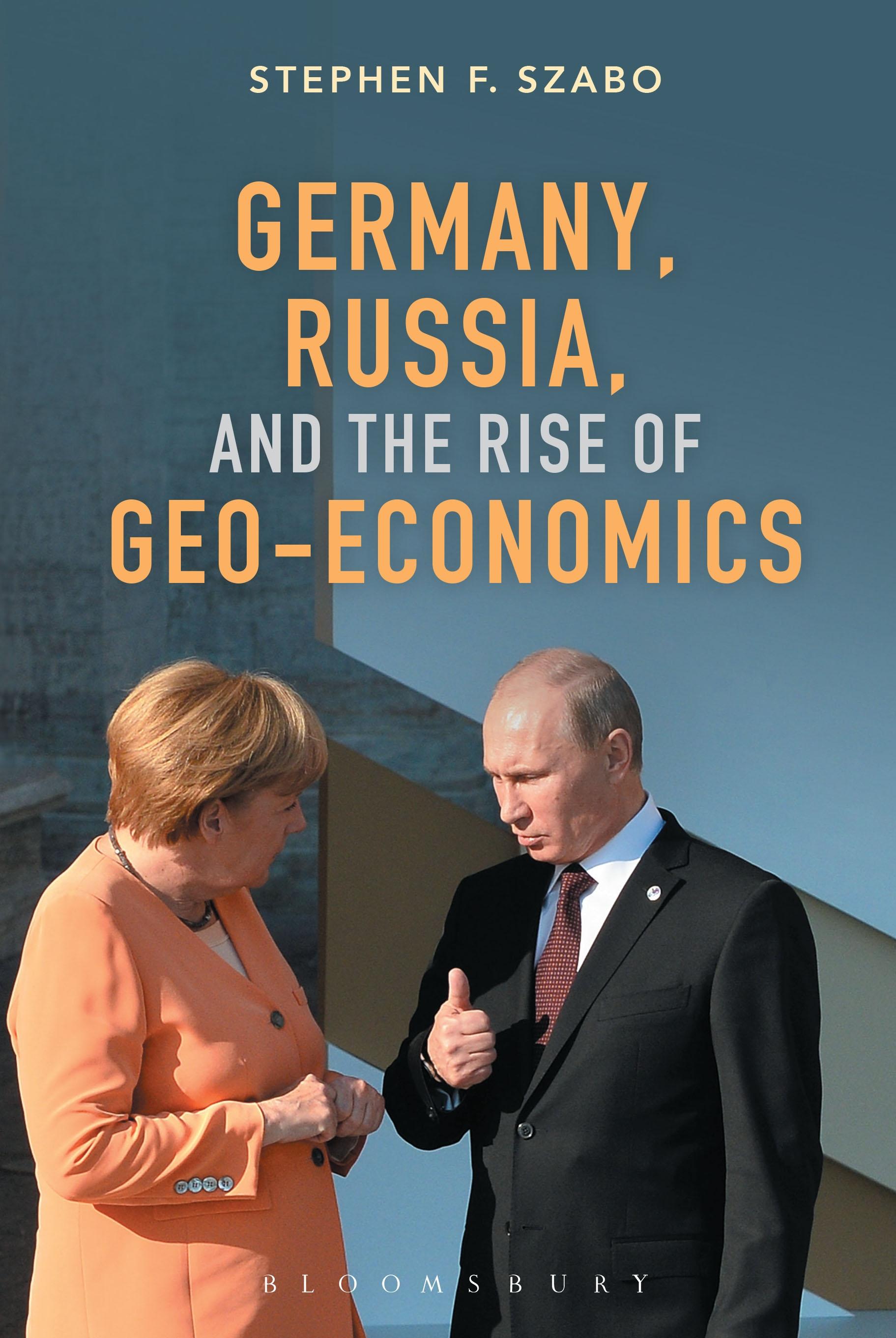
Having emerged from the end of the Cold War as a unified country, Germany has quickly become the second largest exporter in the world. Its economic might has made it the center of the Eurozone and the pivotal power of Europe. Like other geo-economic powers, Germany's foreign policy is characterized by a definition of the national interest in economic terms and the elevation of economic interests over non-economic values such as human rights or democracy promotion. This strategic paradigm is evident in German's relationship with China, the Gulf States and Europe, but it is most important in regard to its evolving policies towards Russia.
In this book, Stephen F. Szabo provides a description and analysis of German policy towards Russia, revealing how unified Germany is finding its global role in which its interests do not always coincide with the United States or its European partners. He explores the role of German business and finance in the shaping of foreign policy and investigates how Germany's Russia policy effects its broader foreign policy in the region and at how it is perceived by key outside players such as the United States, Poland and the EU. With reference to public, opinion, the media and think tanks Szabo reveals how Germans perceive Russians, and he uncovers the ways in which its dealings with Russia affect Germany in terms of the importing of corruption and crime.
Drawing on interviews with key opinion-shapers, business and financial players and policy makers and on a wide variety of public opinion surveys, media reports and archival sources, his will be a key resource for all those wishing to understand the new geo-economic balance of Europe.
Having emerged from the end of the Cold War as a unified country, Germany has quickly become the second largest exporter in the world. Its economic might has made it the center of the Eurozone and the pivotal power of Europe. Like other geo-economic powers, Germany's foreign policy is characterized by a definition of the national interest in economic terms and the elevation of economic interests over non-economic values such as human rights or democracy promotion. This strategic paradigm is evident in German's relationship with China, the Gulf States and Europe, but it is most important in regard to its evolving policies towards Russia.
In this book, Stephen F. Szabo provides a description and analysis of German policy towards Russia, revealing how unified Germany is finding its global role in which its interests do not always coincide with the United States or its European partners. He explores the role of German business and finance in the shaping of foreign policy and investigates how Germany's Russia policy effects its broader foreign policy in the region and at how it is perceived by key outside players such as the United States, Poland and the EU. With reference to public, opinion, the media and think tanks Szabo reveals how Germans perceive Russians, and he uncovers the ways in which its dealings with Russia affect Germany in terms of the importing of corruption and crime.
Drawing on interviews with key opinion-shapers, business and financial players and policy makers and on a wide variety of public opinion surveys, media reports and archival sources, his will be a key resource for all those wishing to understand the new geo-economic balance of Europe.
Paga fácilmente con tarjeta, Klarna, Apple Pay o Google Pay. ¿No estás contento? Siempre tienes 14 días de garantía de devolución. Lee más en nuestros términos. Si tienes preguntas, escríbenos a hello@memmo.org.
Memmo hace que estudiar sea más fácil, estés donde estés. Aquí tienes tus libros de texto y herramientas de estudio inteligentes en un solo lugar: resúmenes, quizzes, podcasts y flashcards. Y también a Ted, tu compañero de estudio que responde a todo lo que te preguntes. Más de 50 000 estudiantes ya estudian aquí. Está hecho para que aprendas más rápido y te estreses menos.