
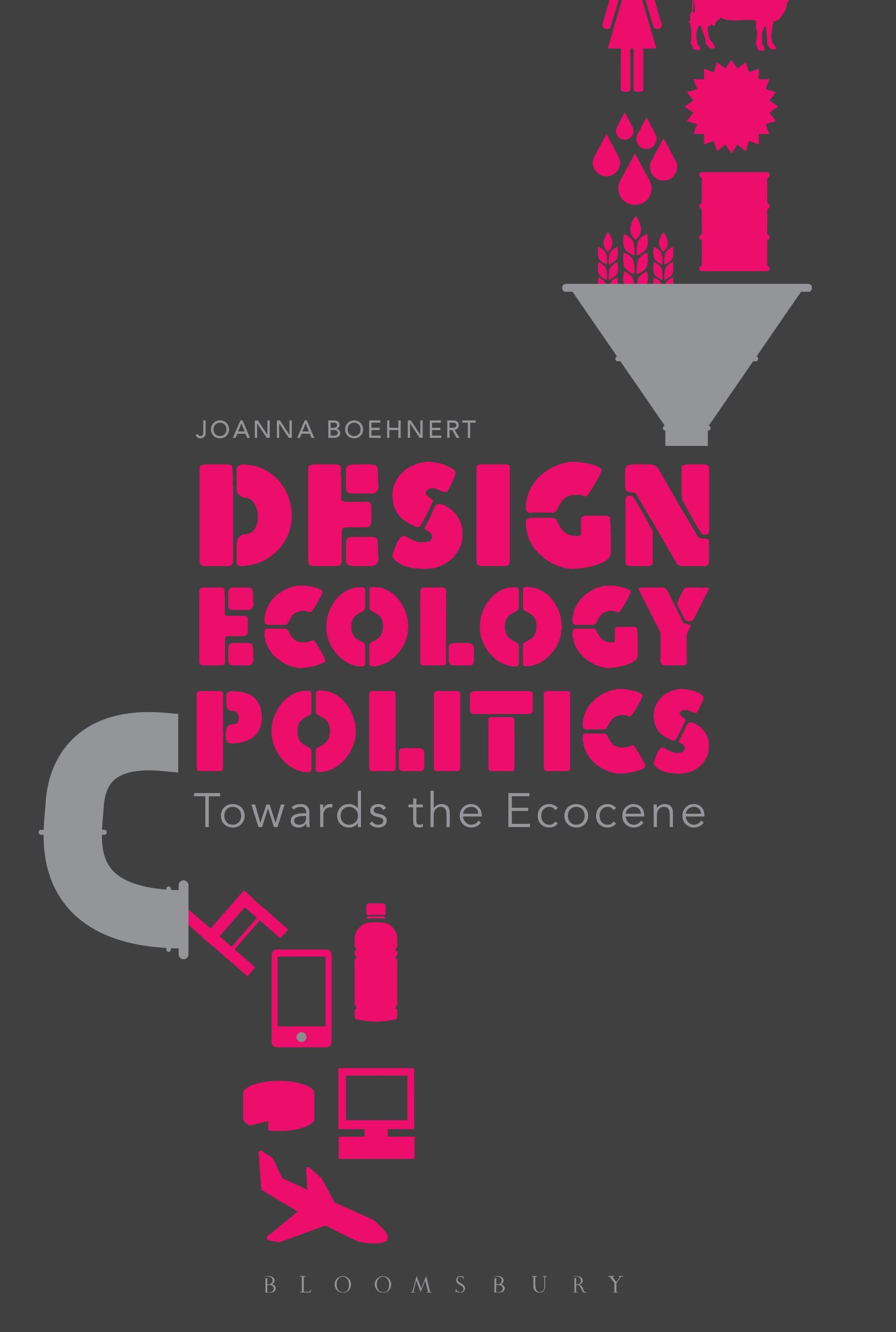
Design, Ecology, Politics links social and ecological theory to design theory and practice, critiquing the ways in which the design industry perpetuates unsustainable development.
Boehnert argues that when design does engage with issues of sustainability, this engagement remains shallow, due to the narrow basis of analysis in design education and theory. The situation is made more severe by design cultures which claim to be apolitical. Where design education fails to recognise the historical roots of unsustainable practice, it reproduces old errors. New ecologically informed design methods and tools hold promise only when incorporated into a larger project of political change. Design, Ecology, Politics describes how ecological literacy challenges many central assumptions in design theory and practice.
By bringing design, ecology and socio-political theory together, Boehnert describes how power is constructed, reproduced and obfuscated by design in ways which often cause environmental harms. She uses case studies to illustrate how communication design functions to either conceal or reveal the ecological and social impacts of current modes of production. The transformative potential of design is dependent on deep-reaching analysis of the problems design attempts to address. Ecologically literate and critically engaged design is a practice primed to facilitate the creation of viable, sustainable and just futures. With this approach, designers can make sustainability not only possible, but attractive.
Boehnert argues that when design does engage with issues of sustainability, this engagement remains shallow, due to the narrow basis of analysis in design education and theory. The situation is made more severe by design cultures which claim to be apolitical. Where design education fails to recognise the historical roots of unsustainable practice, it reproduces old errors. New ecologically informed design methods and tools hold promise only when incorporated into a larger project of political change. Design, Ecology, Politics describes how ecological literacy challenges many central assumptions in design theory and practice.
By bringing design, ecology and socio-political theory together, Boehnert describes how power is constructed, reproduced and obfuscated by design in ways which often cause environmental harms. She uses case studies to illustrate how communication design functions to either conceal or reveal the ecological and social impacts of current modes of production. The transformative potential of design is dependent on deep-reaching analysis of the problems design attempts to address. Ecologically literate and critically engaged design is a practice primed to facilitate the creation of viable, sustainable and just futures. With this approach, designers can make sustainability not only possible, but attractive.
Paga fácilmente con tarjeta, Klarna, Apple Pay o Google Pay. ¿No estás contento? Siempre tienes 14 días de garantía de devolución. Lee más en nuestros términos. Si tienes preguntas, escríbenos a hello@memmo.org.
Memmo hace que estudiar sea más fácil, estés donde estés. Aquí tienes tus libros de texto y herramientas de estudio inteligentes en un solo lugar: resúmenes, quizzes, podcasts y flashcards. Y también a Ted, tu compañero de estudio que responde a todo lo que te preguntes. Más de 50 000 estudiantes ya estudian aquí. Está hecho para que aprendas más rápido y te estreses menos.