
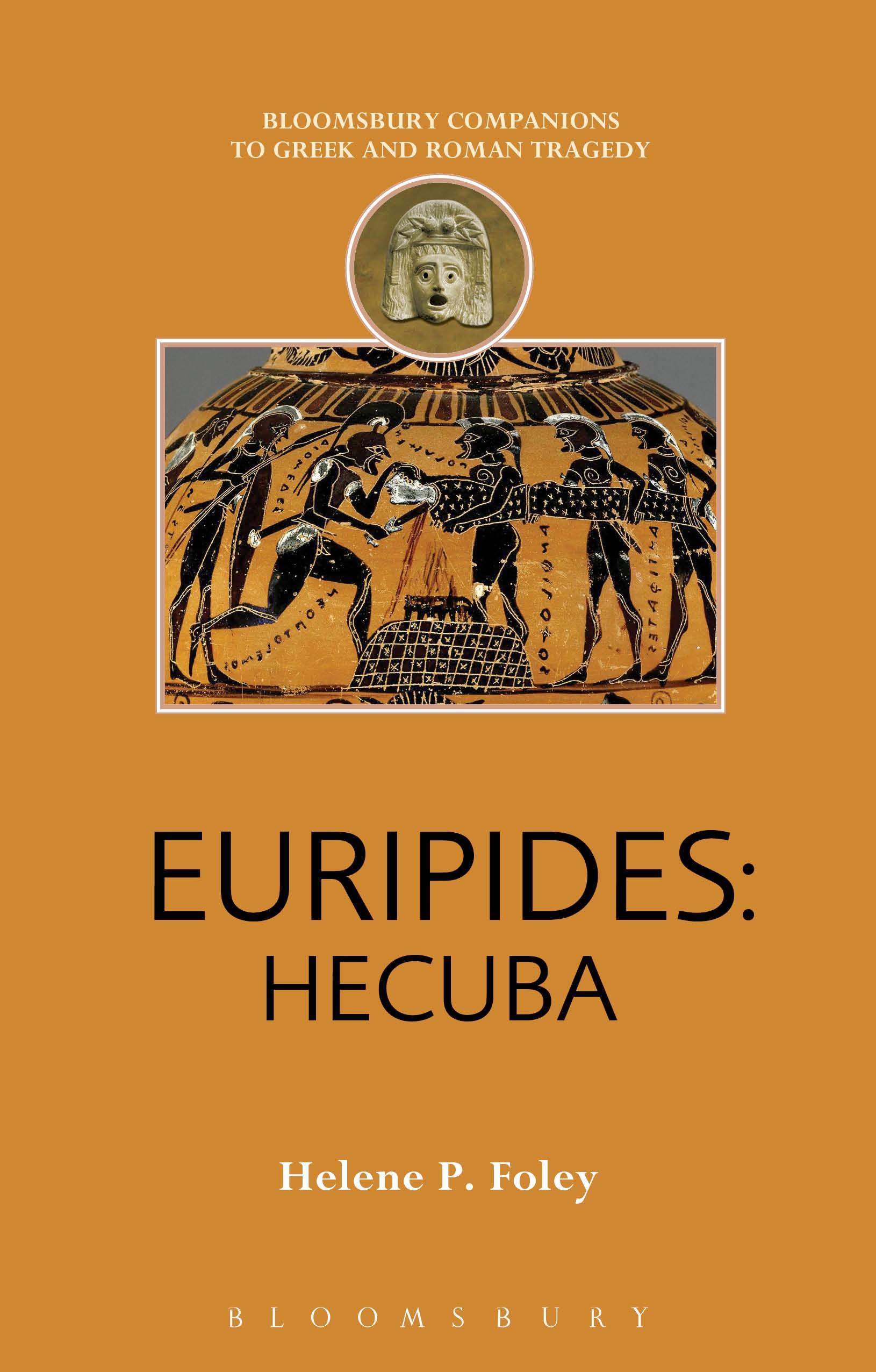
Chosen as one of the ten canonical plays by Euripides during the Hellenistic period in Greece, Hecuba was popular throughout Antiquity. The play also became part of the so-called 'Byzantine triad' of three plays of Euripides (along with Phoenician Women and Orestes) selected for study in school curricula, above all for the brilliance of its rhetorical speeches and quotable traditional wisdom. Translations into Latin and vernacular languages, as well as stage performances emerged early in the sixteenth century. The Renaissance admired the play for its representation of the extraordinary suffering and misfortunes of its newly-enslaved heroine, the former queen of Troy Hecuba, for the courageous sacrificial death of her daughter Polyxena, and for the beleaguered queen's surprisingly successful revenge against the unscrupulous killer of her son Polydorus. Later periods, however, developed reservations about the play's revenge plot and its unity. Recent scholarship has favorably reassessed the play in its original cultural and political context and the past thirty years have produced a number of exciting staged productions. Hecuba has emerged as a profound exploration of the difficulties of establishing justice and a stable morality in post-war situations.
This book investigates the play's changing critical and theatrical reception from Antiquity to the present, its mythical and political background, its dramatic and thematic unity, and the role of its choruses.
This book investigates the play's changing critical and theatrical reception from Antiquity to the present, its mythical and political background, its dramatic and thematic unity, and the role of its choruses.
Paga fácilmente con tarjeta, Klarna, Apple Pay o Google Pay. ¿No estás contento? Siempre tienes 14 días de garantía de devolución. Lee más en nuestros términos. Si tienes preguntas, escríbenos a hello@memmo.org.
Memmo hace que estudiar sea más fácil, estés donde estés. Aquí tienes tus libros de texto y herramientas de estudio inteligentes en un solo lugar: resúmenes, quizzes, podcasts y flashcards. Y también a Ted, tu compañero de estudio que responde a todo lo que te preguntes. Más de 50 000 estudiantes ya estudian aquí. Está hecho para que aprendas más rápido y te estreses menos.