
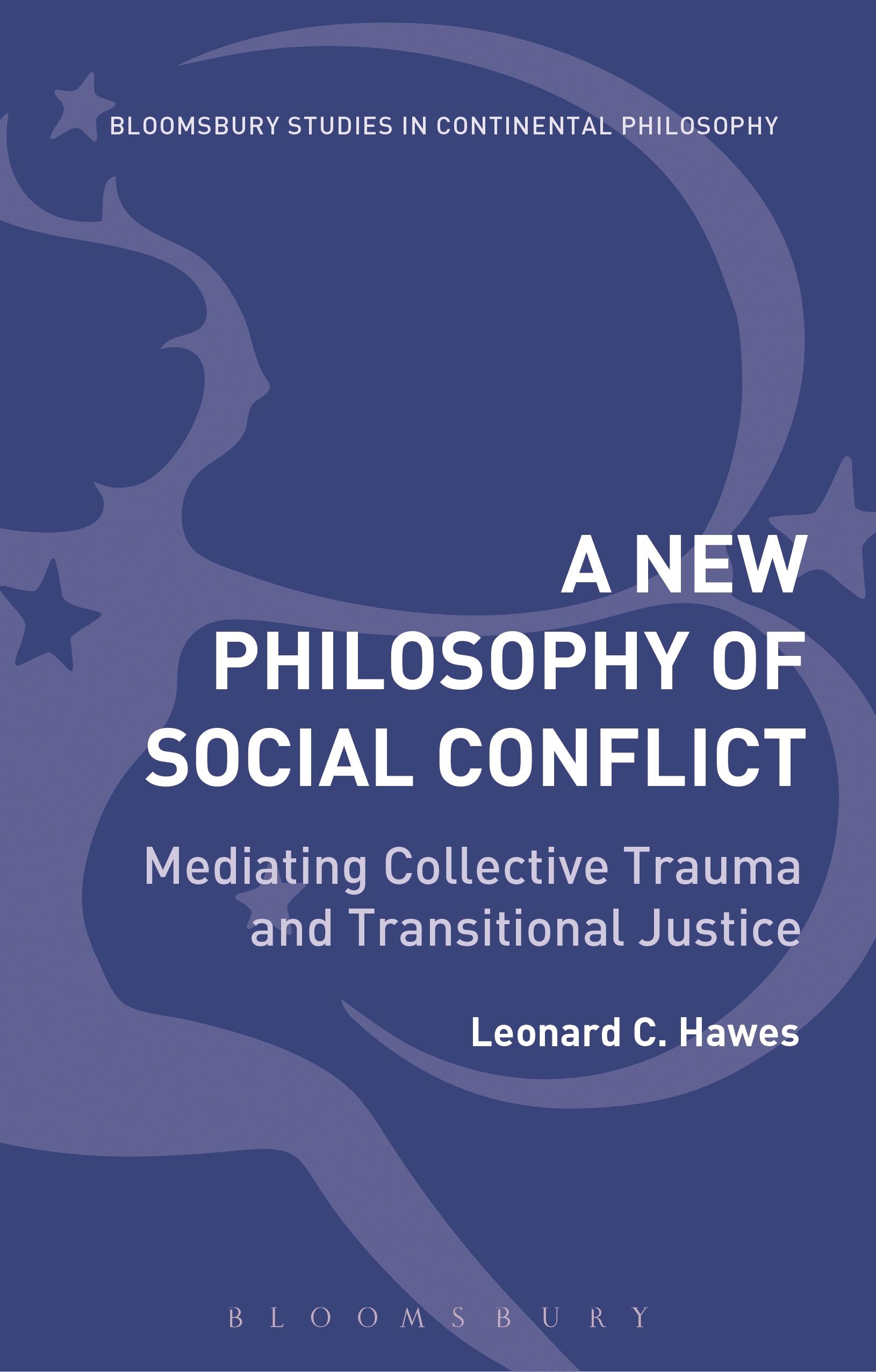
A New Philosophy of Social Conflict joins in the contemporary conflict resolution and transitional justice debates by contributing a Deleuze-Guattarian reading of the post-genocide justice and reconciliation experiment in Rwanda -the Gacaca courts. In doing so, Hawes addresses two significant problems for which the work of Deleuze and Guattari provides invaluable insight: how to live ethically with the consequences of conflict and trauma and how to negotiate the chaos of living through trauma, in ways that create self-organizing, discursive processes for resolving and reconciling these ontological dilemmas in life-affirming ways.
Hawes draws on Deleuze-Guattarian thinking to create new concepts that enable us to think more productively and to live more ethically in a world increasingly characterized by sociocultural trauma and conflict, and to imagine alternative ways of resolving and reconciling trauma and conflict.
Hawes draws on Deleuze-Guattarian thinking to create new concepts that enable us to think more productively and to live more ethically in a world increasingly characterized by sociocultural trauma and conflict, and to imagine alternative ways of resolving and reconciling trauma and conflict.
Paga fácilmente con tarjeta, Klarna, Apple Pay o Google Pay. ¿No estás contento? Siempre tienes 14 días de garantía de devolución. Lee más en nuestros términos. Si tienes preguntas, escríbenos a hello@memmo.org.
Memmo hace que estudiar sea más fácil, estés donde estés. Aquí tienes tus libros de texto y herramientas de estudio inteligentes en un solo lugar: resúmenes, quizzes, podcasts y flashcards. Y también a Ted, tu compañero de estudio que responde a todo lo que te preguntes. Más de 50 000 estudiantes ya estudian aquí. Está hecho para que aprendas más rápido y te estreses menos.