
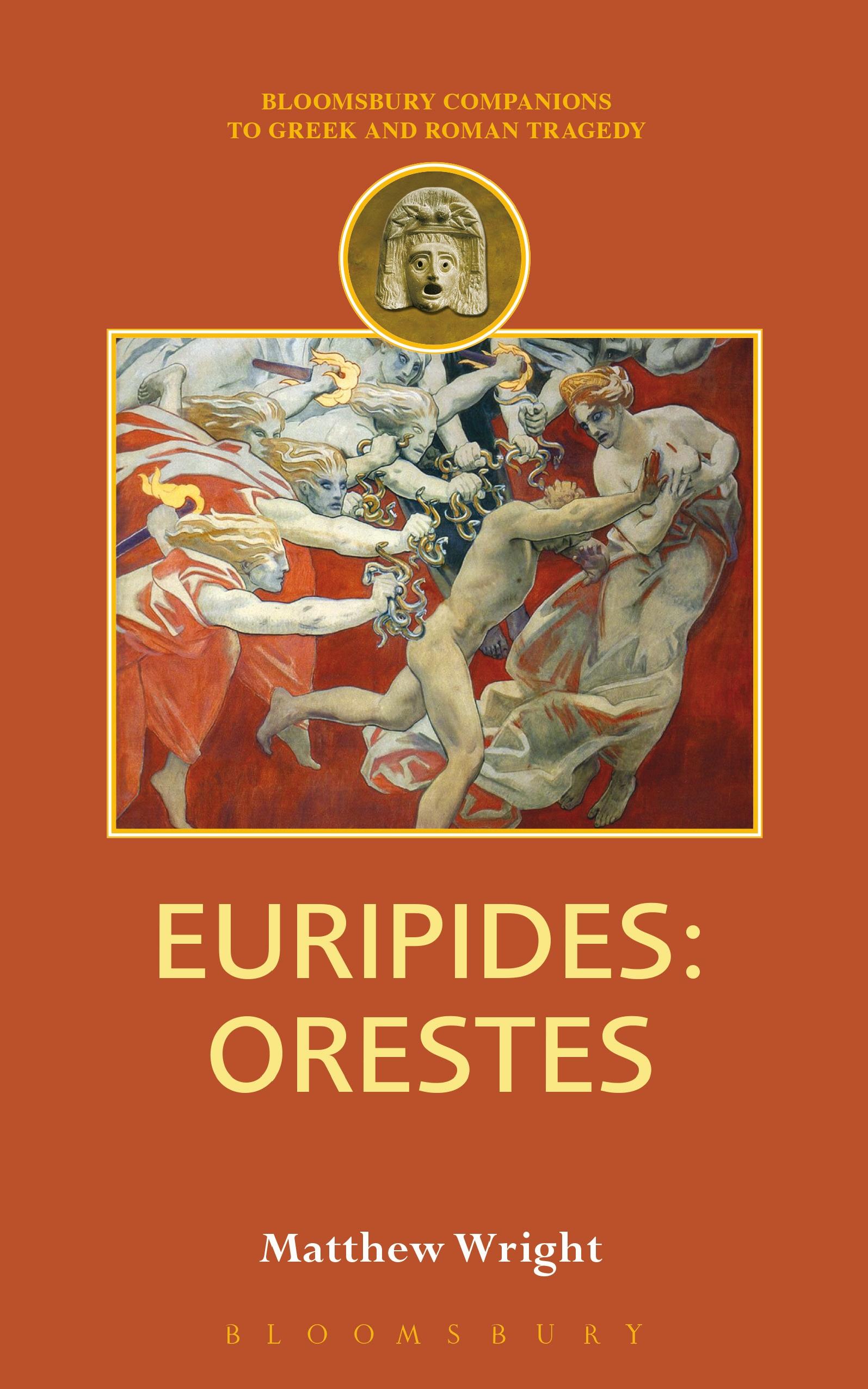
"Orestes" was one of Euripides' most popular plays in antiquity. Its plot, which centres on Orestes' murder of his mother Clytemnestra and its aftermath, is exciting as well as morally complex; its presentation of madness is unusually intense and disturbing; it deals with politics in a way which has resonances for both ancient and modern democracies; and, it has a brilliantly unexpected and ironic ending. Nevertheless, "Orestes" is not much read or performed in modern times. Why should this be so? Perhaps it is because "Orestes" does not conform to modern audiences' expectations of what a 'Greek tragedy' should be. This book makes "Orestes" accessible to modern readers and performers by explicitly acknowledging the gap between ancient and modern ideas of tragedy. If we are to appreciate what is unusual about the play, we have to think in terms of its impact on its original audience. What did they expect from a tragedy, and what would they have made of "Orestes"?
Paga fácilmente con tarjeta, Klarna, Apple Pay o Google Pay. ¿No estás contento? Siempre tienes 14 días de garantía de devolución. Lee más en nuestros términos. Si tienes preguntas, escríbenos a hello@memmo.org.
Memmo hace que estudiar sea más fácil, estés donde estés. Aquí tienes tus libros de texto y herramientas de estudio inteligentes en un solo lugar: resúmenes, quizzes, podcasts y flashcards. Y también a Ted, tu compañero de estudio que responde a todo lo que te preguntes. Más de 50 000 estudiantes ya estudian aquí. Está hecho para que aprendas más rápido y te estreses menos.