
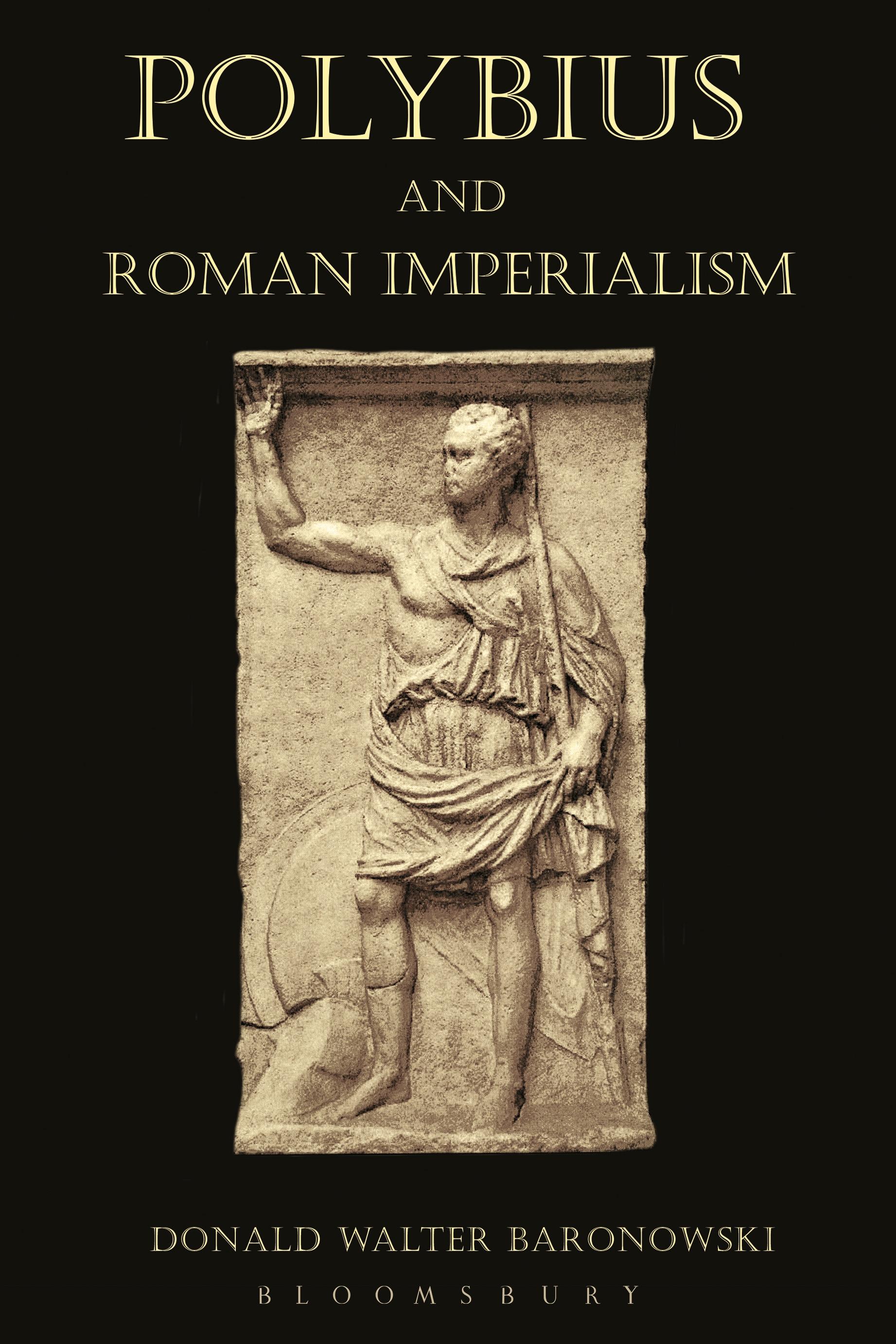
Polybius and Roman Imperialism explores in depth the complexity of the Greek historian Polybius'
views on the expansion of Roman power. Although he considered imperialism intrinsically noble, and both admired and supported Roman domination, Polybius also evinced detachment from the ruling power. This detachment came in different forms: personal, cultural, patriotic and cultural.
In general, he believed that the Romans cited morally acceptable pretexts for declaring war, observed justice in other aspects of foreign policy, and practised beneficence and moderation in their dealings with subject nations. Even with less than half of the original text surviving, the author reveals Polybius' personality and political philosophy.
views on the expansion of Roman power. Although he considered imperialism intrinsically noble, and both admired and supported Roman domination, Polybius also evinced detachment from the ruling power. This detachment came in different forms: personal, cultural, patriotic and cultural.
In general, he believed that the Romans cited morally acceptable pretexts for declaring war, observed justice in other aspects of foreign policy, and practised beneficence and moderation in their dealings with subject nations. Even with less than half of the original text surviving, the author reveals Polybius' personality and political philosophy.
Paga fácilmente con tarjeta, Klarna, Apple Pay o Google Pay. ¿No estás contento? Siempre tienes 14 días de garantía de devolución. Lee más en nuestros términos. Si tienes preguntas, escríbenos a hello@memmo.org.
Memmo hace que estudiar sea más fácil, estés donde estés. Aquí tienes tus libros de texto y herramientas de estudio inteligentes en un solo lugar: resúmenes, quizzes, podcasts y flashcards. Y también a Ted, tu compañero de estudio que responde a todo lo que te preguntes. Más de 50 000 estudiantes ya estudian aquí. Está hecho para que aprendas más rápido y te estreses menos.