
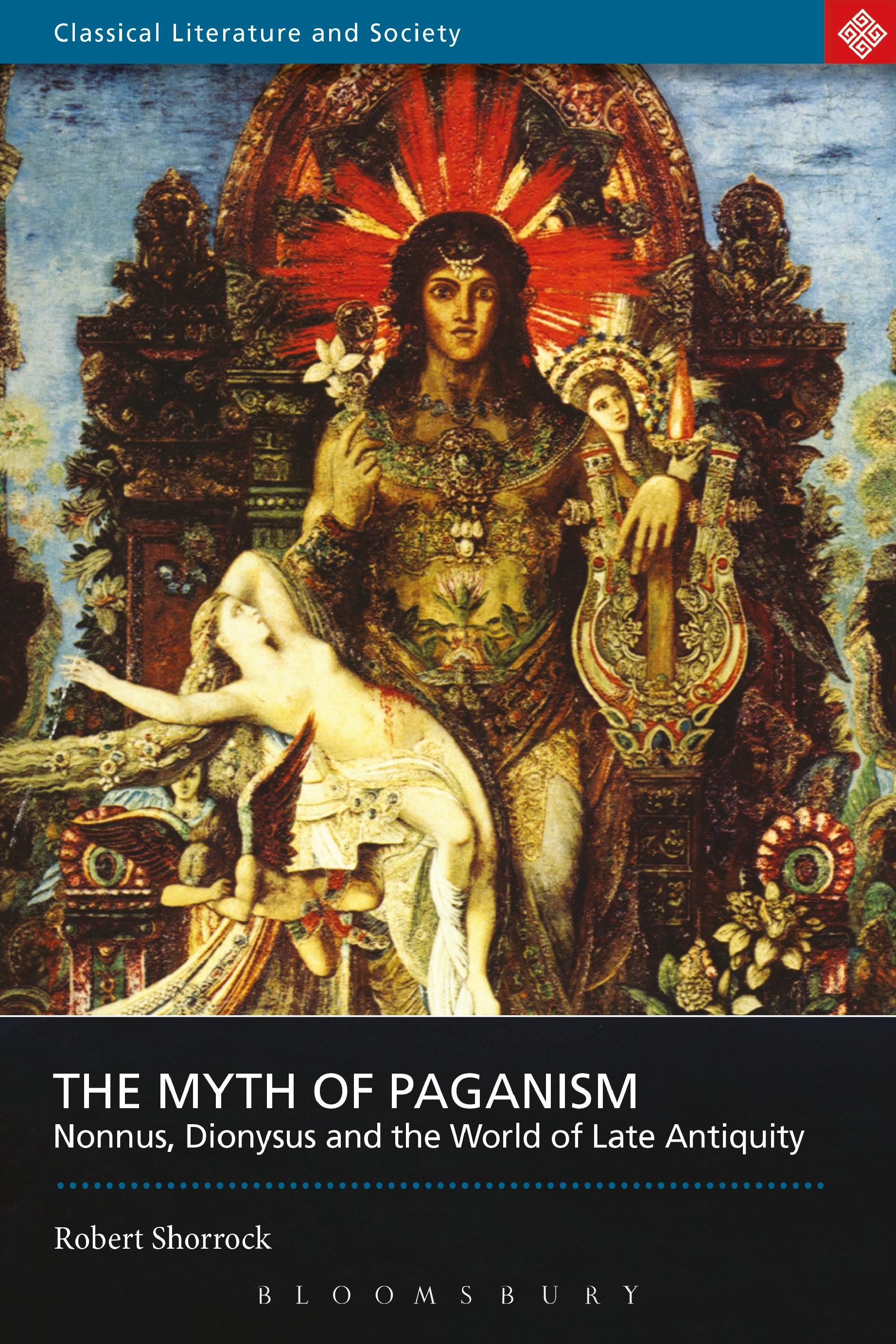
Traditional and still prevalent accounts of late antique literature draw a clear distinction between 'pagan' and 'Christian' forms of poetry: whereas Christian poetry is taken seriously in terms its contribution to culture and society at large, so-called pagan or secular poetry is largely ignored, as though it has no meaningful part to play within the late antique world. The Myth of Paganism sets out to deconstruct this view of two contrasting poetic traditions and proposes in its place a new integrated model for the understanding of late antique poetry. As the book argues, the poet of Christ and the poet of the Muses were drawn together into an active, often provocative, dialogue about the relationship between Christianity and the Classical tradition and, ultimately, about the meaning of late antiquity itself. An analysis of the poetry of Nonnus of Panopolis, author of both a 'pagan' epic about Dionysus and a Christian translation of St John's Gospel, helps to illustrate this complex dialectic between pagan and Christian voices.
Paga fácilmente con tarjeta, Klarna, Apple Pay o Google Pay. ¿No estás contento? Siempre tienes 14 días de garantía de devolución. Lee más en nuestros términos. Si tienes preguntas, escríbenos a hello@memmo.org.
Memmo hace que estudiar sea más fácil, estés donde estés. Aquí tienes tus libros de texto y herramientas de estudio inteligentes en un solo lugar: resúmenes, quizzes, podcasts y flashcards. Y también a Ted, tu compañero de estudio que responde a todo lo que te preguntes. Más de 50 000 estudiantes ya estudian aquí. Está hecho para que aprendas más rápido y te estreses menos.