
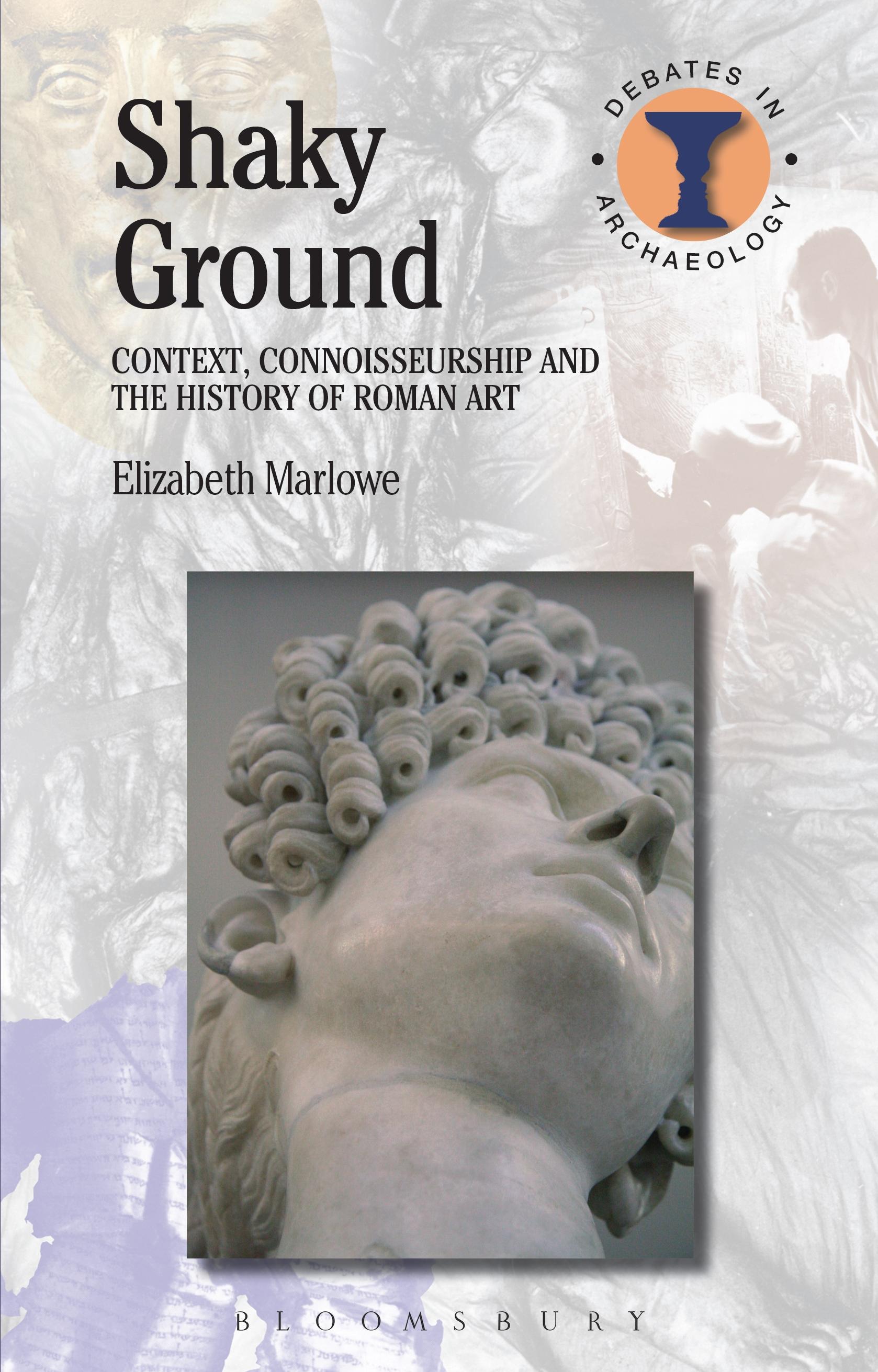
The recent crisis in the world of antiquities collecting has prompted scholars and the general public to pay more attention than ever before to the archaeological findspots and collecting histories of ancient artworks. This new scrutiny is applied to works currently on the market as well as to those acquired since (and despite) the 1970 UNESCO Convention, which aimed to prevent the trafficking in cultural property. When it comes to famous works that have been in major museums for many generations, however, the matter of their origins is rarely considered. Canonical pieces like the Barberini Togatus or the Fonseca bust of a Flavian lady appear in many scholarly studies and virtually every textbook on Roman art. But we have no more certainty about these works' archaeological contexts than we do about those that surface on the market today. This book argues that the current legal and ethical debates over looting, ownership and cultural property have distracted us from the epistemological problems inherent in all (ostensibly) ancient artworks lacking a known findspot, problems that should be of great concern to those who seek to understand the past through its material remains.
Paga fácilmente con tarjeta, Klarna, Apple Pay o Google Pay. ¿No estás contento? Siempre tienes 14 días de garantía de devolución. Lee más en nuestros términos. Si tienes preguntas, escríbenos a hello@memmo.org.
Memmo hace que estudiar sea más fácil, estés donde estés. Aquí tienes tus libros de texto y herramientas de estudio inteligentes en un solo lugar: resúmenes, quizzes, podcasts y flashcards. Y también a Ted, tu compañero de estudio que responde a todo lo que te preguntes. Más de 50 000 estudiantes ya estudian aquí. Está hecho para que aprendas más rápido y te estreses menos.