
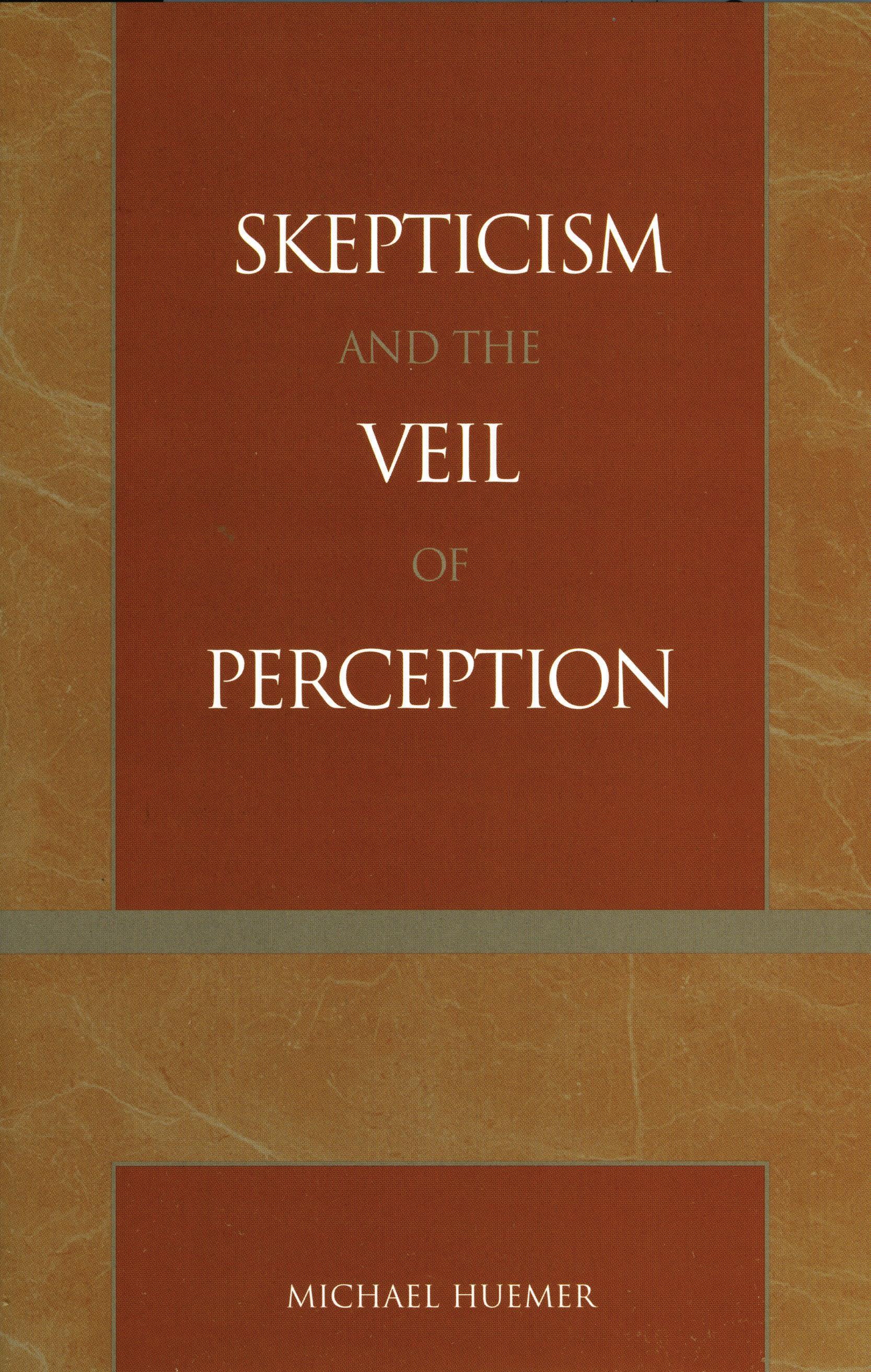
Since Descartes, one of the central questions of Western philosophy has been that of how we know that the objects we seem to perceive are real. Philosophical skeptics claim that we know no such thing. Representationalists claim that we can gain such knowledge only by inference, by showing that the hypothesis of a real world is the best explanation for the kind of sensations and mental images we experience. Both accept the doctrine of a 'veil of perception:' that perception can only give us direct awareness of images or representations of objects, not the external objects themselves. In contrast, Huemer develops a theory of perceptual awareness in which perception gives us direct awareness of real objects, not mental representations, and we have non-inferential knowledge of the properties of these objects. Further, Huemer confronts the four main arguments for philosophical skepticism, showing that they are powerless against this kind of theory of perceptual knowledge.
Paga fácilmente con tarjeta, Klarna, Apple Pay o Google Pay. ¿No estás contento? Siempre tienes 14 días de garantía de devolución. Lee más en nuestros términos. Si tienes preguntas, escríbenos a hello@memmo.org.
Memmo hace que estudiar sea más fácil, estés donde estés. Aquí tienes tus libros de texto y herramientas de estudio inteligentes en un solo lugar: resúmenes, quizzes, podcasts y flashcards. Y también a Ted, tu compañero de estudio que responde a todo lo que te preguntes. Más de 50 000 estudiantes ya estudian aquí. Está hecho para que aprendas más rápido y te estreses menos.