
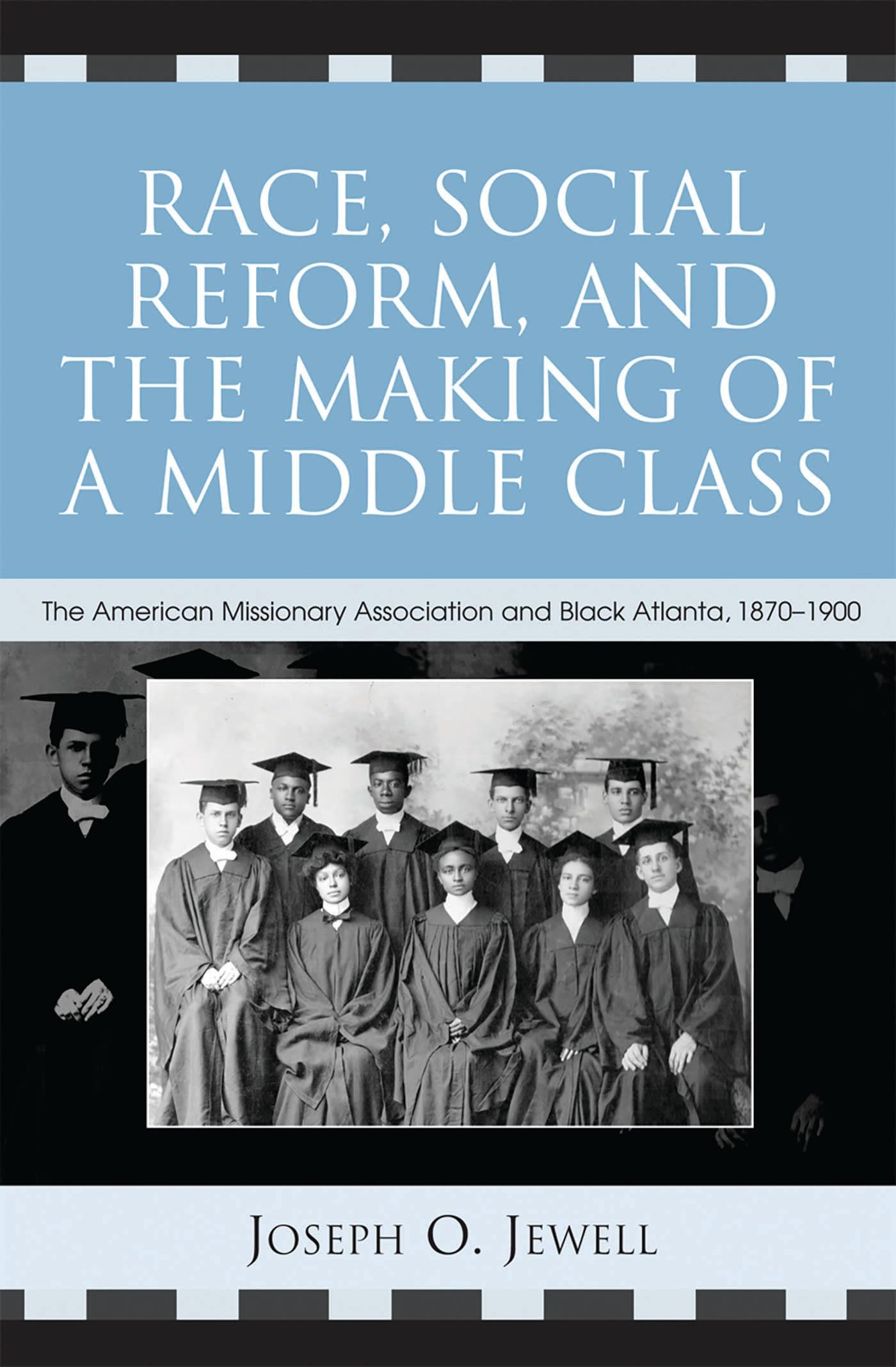
Moral reform movements targeting racial minorities have long been central in negotiating the relationship between race and class in the United States, particularly in periods of large scale social change. Over a century ago, when the abolition of racial slavery, Southern Reconstruction, industrialization, and urban migration presented challenges to both race and class hierarchies in the South, postbellum missionary reform organizations like the American Missionary Association crusaded to establish schools, colleges, and churches for Blacks in Southern cities like Atlanta that would aggressively erode cultural differences among former slaves and assimilate them into a civic order defined by Anglo-Protestant culture. While the AMA's missionary institutions in Atlanta sought to shift racial dynamics between Blacks and Whites, they also fueled struggles over the social and cultural boundaries of middle class belonging in a region beset by social change. Drawing upon late nineteenth century accounts of AMA missionary activity in Atlanta, Black attempts to define and maintain a middle class identity, and Atlanta Whites' concerns about Black attempts at upward mobility, the author argue that the rhetoric about the implications of increased minority access to middle class resources like education and cultural knowledge speaks to links between anxieties about class position and racial status in societies stratified by both class and race.
Paga fácilmente con tarjeta, Klarna, Apple Pay o Google Pay. ¿No estás contento? Siempre tienes 14 días de garantía de devolución. Lee más en nuestros términos. Si tienes preguntas, escríbenos a hello@memmo.org.
Memmo hace que estudiar sea más fácil, estés donde estés. Aquí tienes tus libros de texto y herramientas de estudio inteligentes en un solo lugar: resúmenes, quizzes, podcasts y flashcards. Y también a Ted, tu compañero de estudio que responde a todo lo que te preguntes. Más de 50 000 estudiantes ya estudian aquí. Está hecho para que aprendas más rápido y te estreses menos.