
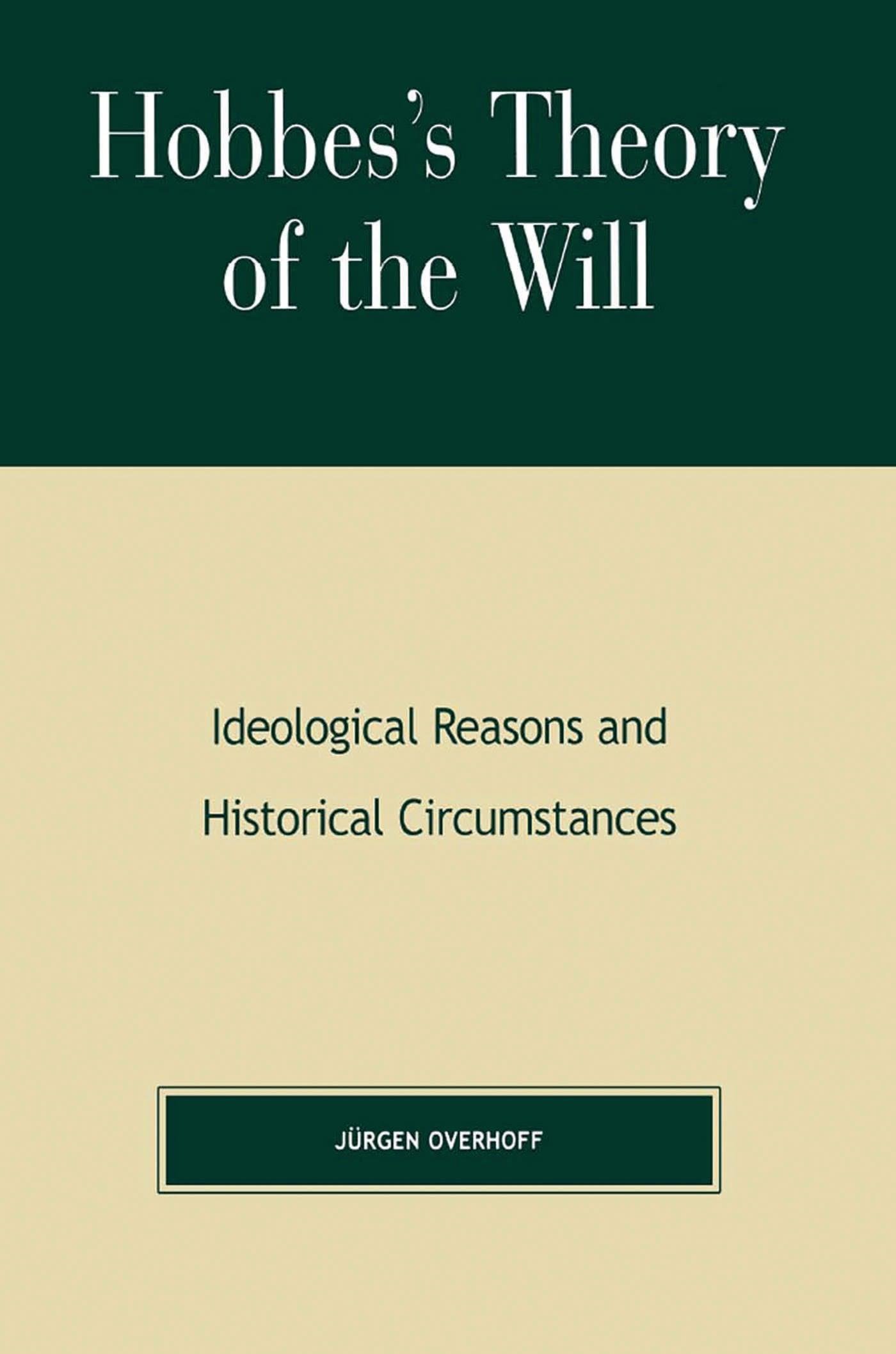
In Hobbes's Theory of the Will, Jurgen Overhoff reveals the religious, ethical, and political consequences of Thomas Hobbes's doctrine of volition. The author gracefully describes how Hobbes's thought was governed by assumptions based firmly in Galilean natural philosophy and orthodox Protestant theology. Overhoff also demonstrates how his subject used materialist eschatology and an absolutist political theory to resolve the social and ethical predicaments that coincided with these assumptions. Finally, Overhoff provides a chronological study of the numerous philosophical, theological, religious and political aspects of Hobbes's idea of the will and situates Hobbes's doctrine within the context of the most important responses and objections put forward by his critics.
Paga fácilmente con tarjeta, Klarna, Apple Pay o Google Pay. ¿No estás contento? Siempre tienes 14 días de garantía de devolución. Lee más en nuestros términos. Si tienes preguntas, escríbenos a hello@memmo.org.
Memmo hace que estudiar sea más fácil, estés donde estés. Aquí tienes tus libros de texto y herramientas de estudio inteligentes en un solo lugar: resúmenes, quizzes, podcasts y flashcards. Y también a Ted, tu compañero de estudio que responde a todo lo que te preguntes. Más de 50 000 estudiantes ya estudian aquí. Está hecho para que aprendas más rápido y te estreses menos.