
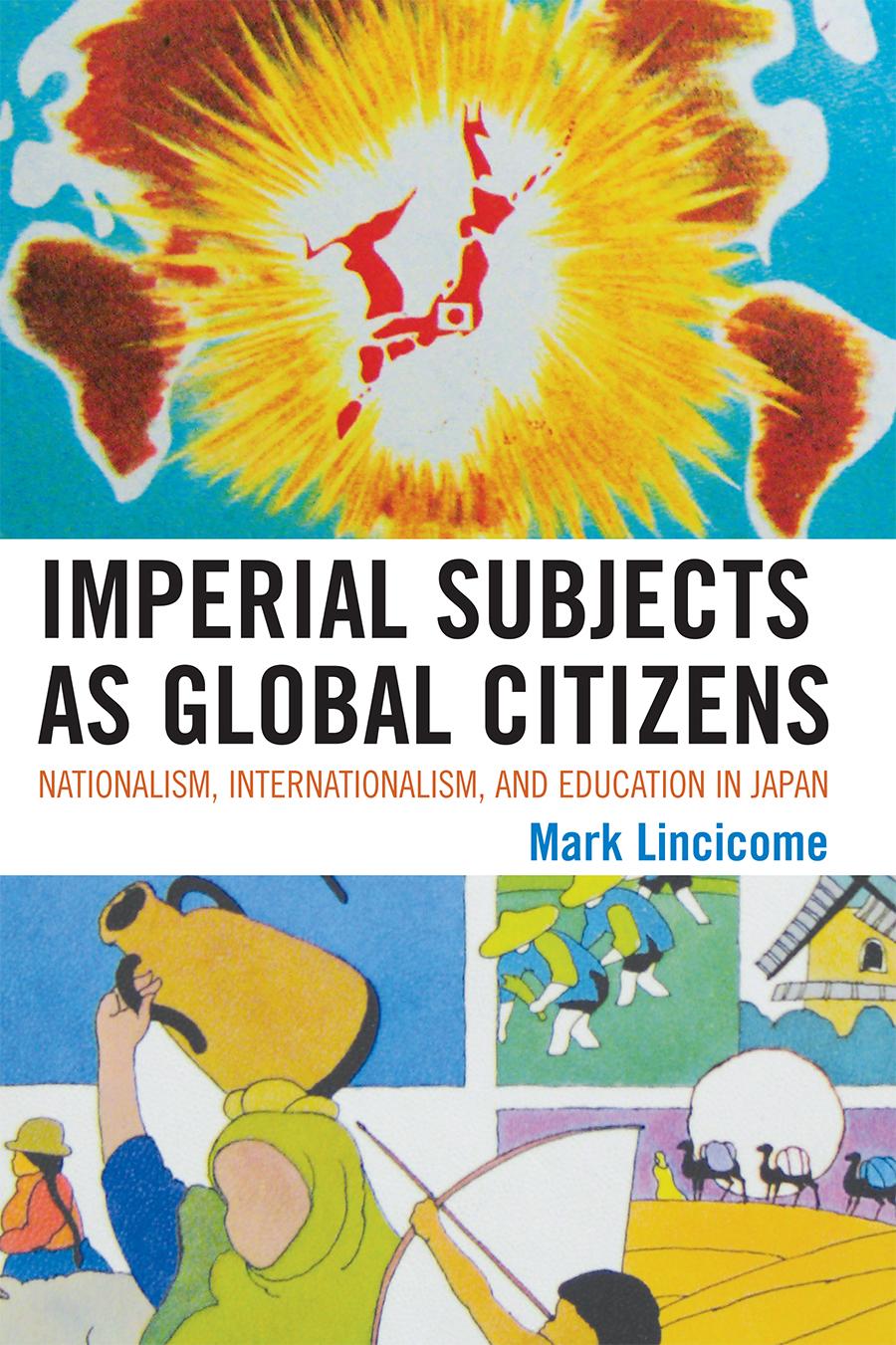
Lincicome offers a new perspective on Japanese educational debates and policy reforms that have taken place under the guise of internationalization since the mid-1980s. By contextualizing these developments within a historical framework spanning the entire twentieth century, he challenges the argument put forward by education officials, conservative politicians, and their supporters in the academy and the business world that history offers no guide for addressing the educational challenges that face contemporary Japan.
Combining diachronic and synchronic approaches, Lincicome analyzes repeated attempts throughout the twentieth century to “internationalize education” (/kyoiku no kokusaika/) in Japan. This comparison reveals important similarities that transcend educational policy to encompass Japanese conceptions of individual, national, and international identity; relations between the individual, the nation, the state, and the international community; and the type of education best suited to negotiating multiple identities among the next generation of Japanese subject-citizens.
Combining diachronic and synchronic approaches, Lincicome analyzes repeated attempts throughout the twentieth century to “internationalize education” (/kyoiku no kokusaika/) in Japan. This comparison reveals important similarities that transcend educational policy to encompass Japanese conceptions of individual, national, and international identity; relations between the individual, the nation, the state, and the international community; and the type of education best suited to negotiating multiple identities among the next generation of Japanese subject-citizens.
Paga fácilmente con tarjeta, Klarna, Apple Pay o Google Pay. ¿No estás contento? Siempre tienes 14 días de garantía de devolución. Lee más en nuestros términos. Si tienes preguntas, escríbenos a hello@memmo.org.
Memmo hace que estudiar sea más fácil, estés donde estés. Aquí tienes tus libros de texto y herramientas de estudio inteligentes en un solo lugar: resúmenes, quizzes, podcasts y flashcards. Y también a Ted, tu compañero de estudio que responde a todo lo que te preguntes. Más de 50 000 estudiantes ya estudian aquí. Está hecho para que aprendas más rápido y te estreses menos.