
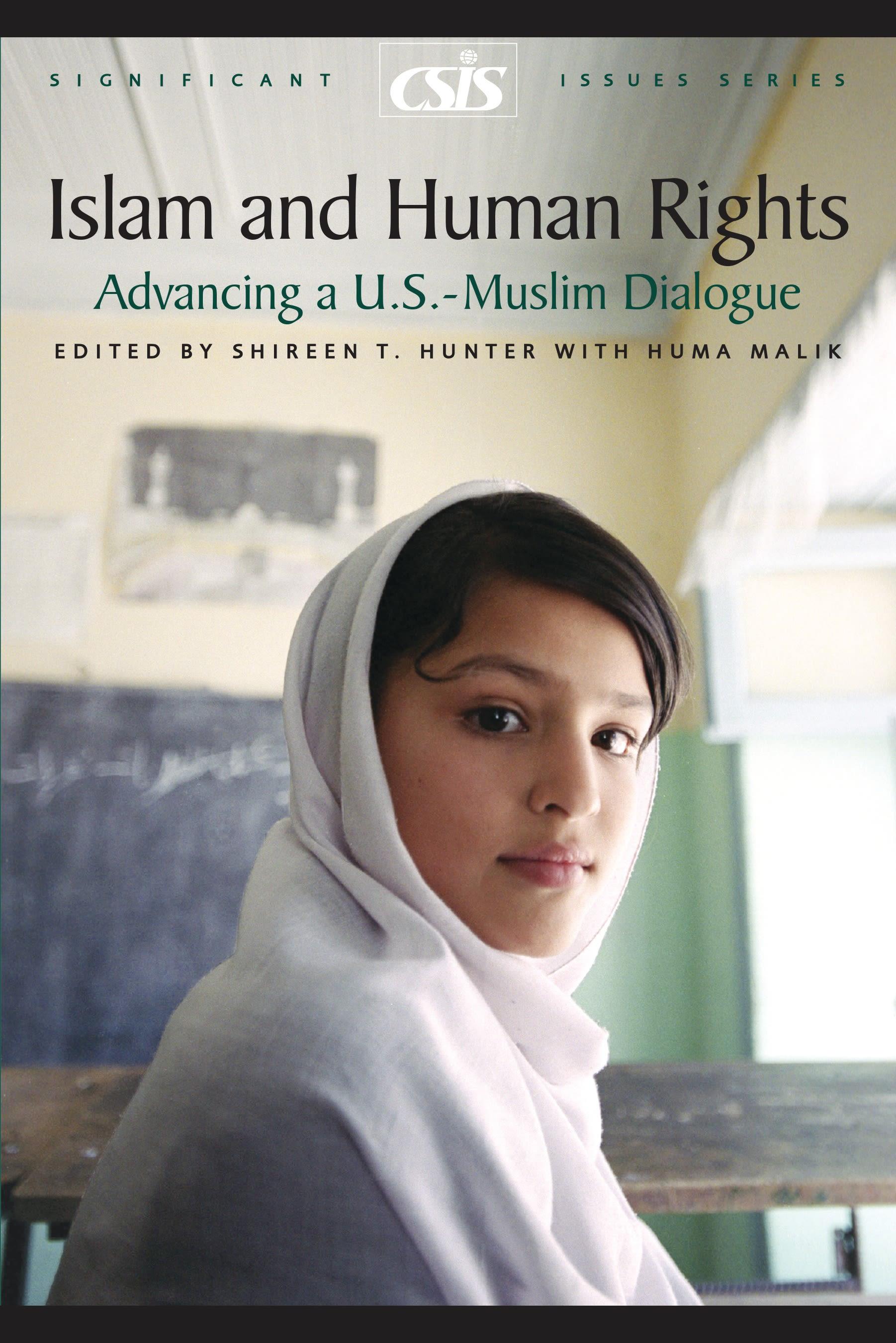
In the last few years, issues related to human rights, including encouraging the democratization of Muslim societies from the Middle East to Southeast Asia, have acquired great importance in shaping the character of U.S.-Muslim relations and U.S. policy toward Muslim countries. An important impetus behind this development were the tragic events of 9/11, which demonstrated the destructive potential of militant groups that use a distorted interpretation of Islam as justification for their actions. These events also led to a greater realization by the United States--and the West--that a lack of democracy and lack of respect for human rights have been contributory factors to the rise of militant Islam.
Consequently, in its approach toward the Muslim world, the United States has emphasized the themes of human rights and democracy. Within the Islamic world, too, both secular and moderate Islamists have begun focusing on issues related to human rights. Although many conservative Muslims believe that Islam is incompatible with Western notions of democracy and human rights, reformist Muslim thinkers and activists maintain that a proper reading of Islamic injunctions and the ethical values underpinning those injunctions shows there is no such incompatibility. Complicating the debate is the fact that many Muslims--secular as well as conservative and reformist--doubt the seriousness of the U.S. commitment to the cause of human rights and democracy in the Muslim world, believing that the United States applies human rights' standards selectively to suit its strategic and economic interests. Irrespective of the validity of these charges, they are part of the context of the U.S.-Muslim dialogue on human rights. And it is this complex dialogue that this volume seeks to advance.
Consequently, in its approach toward the Muslim world, the United States has emphasized the themes of human rights and democracy. Within the Islamic world, too, both secular and moderate Islamists have begun focusing on issues related to human rights. Although many conservative Muslims believe that Islam is incompatible with Western notions of democracy and human rights, reformist Muslim thinkers and activists maintain that a proper reading of Islamic injunctions and the ethical values underpinning those injunctions shows there is no such incompatibility. Complicating the debate is the fact that many Muslims--secular as well as conservative and reformist--doubt the seriousness of the U.S. commitment to the cause of human rights and democracy in the Muslim world, believing that the United States applies human rights' standards selectively to suit its strategic and economic interests. Irrespective of the validity of these charges, they are part of the context of the U.S.-Muslim dialogue on human rights. And it is this complex dialogue that this volume seeks to advance.
Paga fácilmente con tarjeta, Klarna, Apple Pay o Google Pay. ¿No estás contento? Siempre tienes 14 días de garantía de devolución. Lee más en nuestros términos. Si tienes preguntas, escríbenos a hello@memmo.org.
Memmo hace que estudiar sea más fácil, estés donde estés. Aquí tienes tus libros de texto y herramientas de estudio inteligentes en un solo lugar: resúmenes, quizzes, podcasts y flashcards. Y también a Ted, tu compañero de estudio que responde a todo lo que te preguntes. Más de 50 000 estudiantes ya estudian aquí. Está hecho para que aprendas más rápido y te estreses menos.