
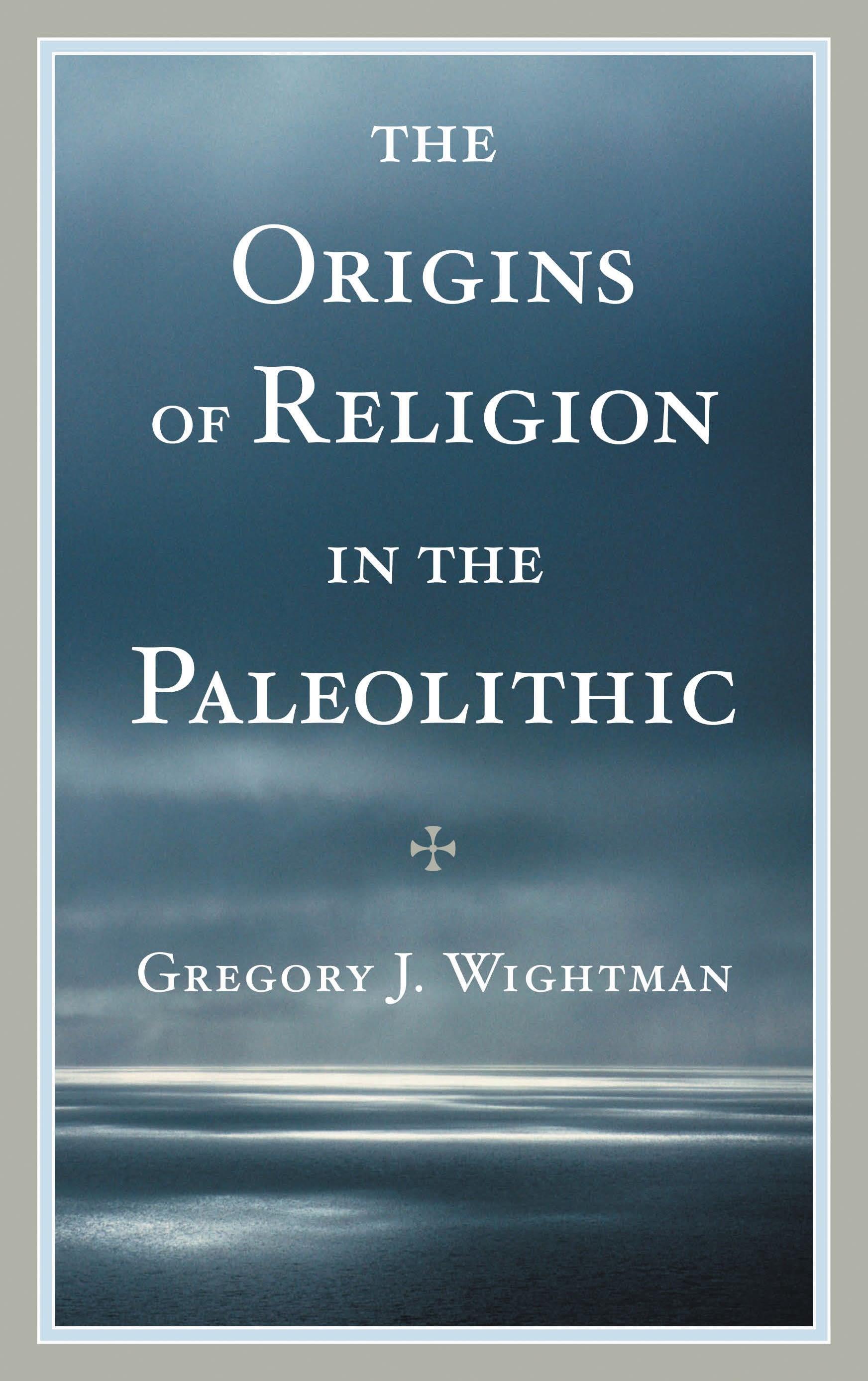
How did religion emerge—and why? What are the links between behavior, environment, and religiosity? Diving millions of years into the past, to a time when human ancestors began grappling with issues of safety, worth, identity, loss, power, and meaning in complex and difficult environments, Gregory J. Wightman explores the significance of goal-directed action and the rise of material culture for the advent of religiosity and ritual.
The book opens by tackling questions of cognitive evolution and group psychology, and how these ideas can integrate with archaeological evidence such as stone tools, shell beads, and graves. In turn, it focuses on how human ancestors engaged with their environments, how those engagements became routine, and how, eventually, certain routines took on a recognizably ritualistic flavor. Wightman also critically examines the very real constraints on drawing inferences about prehistoric belief systems solely from limited material residues. Nevertheless, Wightman argues that symbolic objects are not merely illustrative of religion, but also constitutive of it; in the continual dance between brain and behavior, between internal and external environments, lie the seeds of ritual and religion.
Weaving together insights from archaeology; anthropology; cognitive and cultural neuroscience; history and philosophy of religions; and evolutionary, social, and developmental psychology, Wightman provides an intricate, evidence-based understanding of religion’s earliest origins.
The book opens by tackling questions of cognitive evolution and group psychology, and how these ideas can integrate with archaeological evidence such as stone tools, shell beads, and graves. In turn, it focuses on how human ancestors engaged with their environments, how those engagements became routine, and how, eventually, certain routines took on a recognizably ritualistic flavor. Wightman also critically examines the very real constraints on drawing inferences about prehistoric belief systems solely from limited material residues. Nevertheless, Wightman argues that symbolic objects are not merely illustrative of religion, but also constitutive of it; in the continual dance between brain and behavior, between internal and external environments, lie the seeds of ritual and religion.
Weaving together insights from archaeology; anthropology; cognitive and cultural neuroscience; history and philosophy of religions; and evolutionary, social, and developmental psychology, Wightman provides an intricate, evidence-based understanding of religion’s earliest origins.
Paga fácilmente con tarjeta, Klarna, Apple Pay o Google Pay. ¿No estás contento? Siempre tienes 14 días de garantía de devolución. Lee más en nuestros términos. Si tienes preguntas, escríbenos a hello@memmo.org.
Memmo hace que estudiar sea más fácil, estés donde estés. Aquí tienes tus libros de texto y herramientas de estudio inteligentes en un solo lugar: resúmenes, quizzes, podcasts y flashcards. Y también a Ted, tu compañero de estudio que responde a todo lo que te preguntes. Más de 50 000 estudiantes ya estudian aquí. Está hecho para que aprendas más rápido y te estreses menos.