
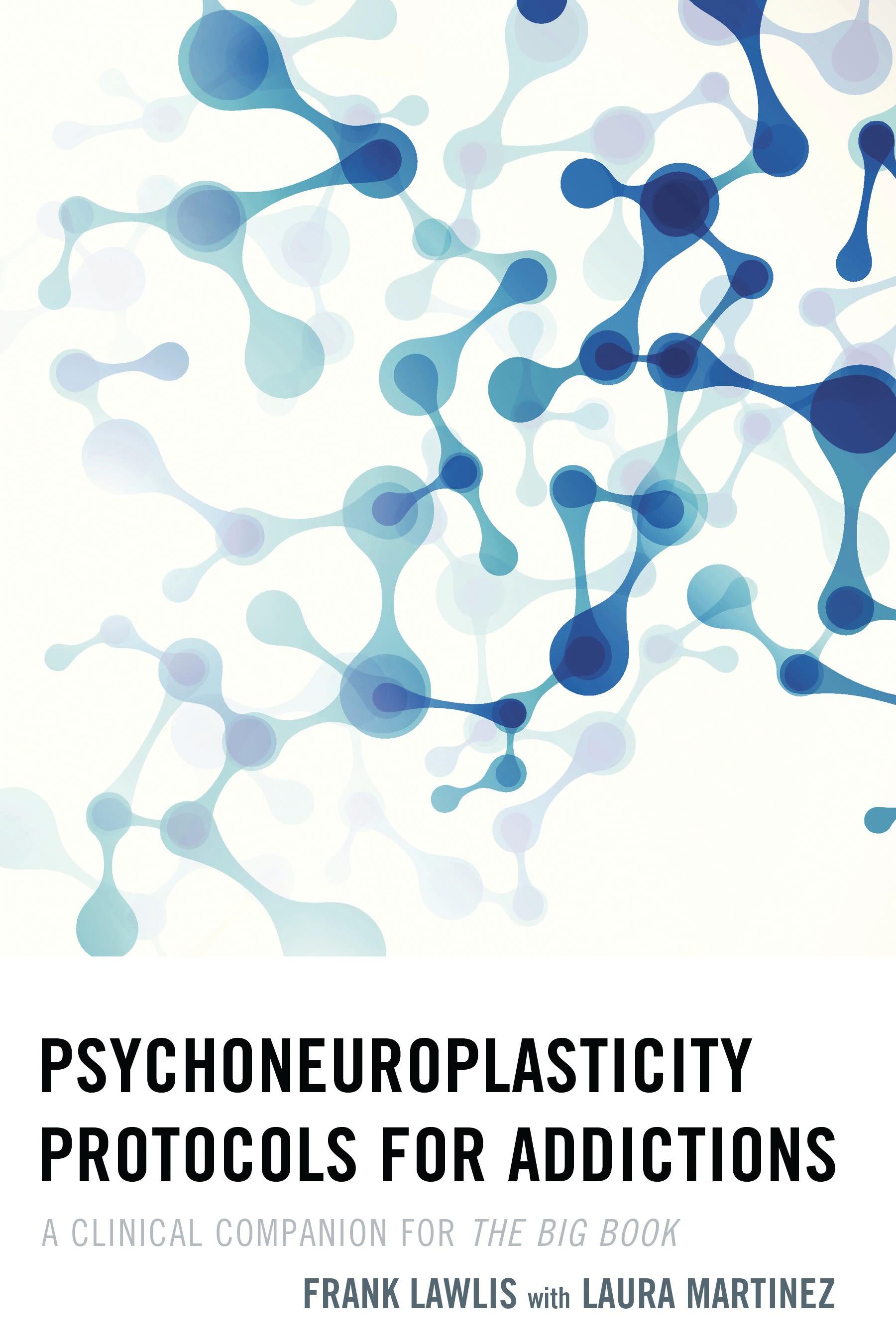
PsychoNeuroPlasticity Protocols for Addictions: A Clinical Companion for the Big Book is a book that represents a tipping point in the translation of addiction science into practical, real-world applications for practitioners. It translates brain research into patient deliverables by explaining how to use the brain to fight addiction and improve recovery outcomes. It does so while embracing the long-standing recovery culture that has been the only source of hope for addicts and alcoholics in the past fifty years.
The contents of the book reveal the transformational aspects of recovery along with the scientific principles of what Dr. Lawlis has coined as “PsychoNeuroPlasticity,” along with many of the barriers to transformation. More specifically it covers brain patterns that relate to depression, anxiety, OCD, mood and even brain development issues noted in premature development of adjustment in young addicts. The approaches are not singular in nature, but cover a wide range of effective modes of treatment, including diet, exercise, meditation, and biofeedback.
The reader and treatment specialist will be re-energized by witnessing the changes in patient care, staff training, and outcomes. Digging deeper, however, this book is about hope—hope that the work of two decades of brain science will finally reach those who need it most; hope that we finally have a tool that will give us a true advantage in the war on addiction; and hope that lives lost to this disease every year will someday be stymied.
The contents of the book reveal the transformational aspects of recovery along with the scientific principles of what Dr. Lawlis has coined as “PsychoNeuroPlasticity,” along with many of the barriers to transformation. More specifically it covers brain patterns that relate to depression, anxiety, OCD, mood and even brain development issues noted in premature development of adjustment in young addicts. The approaches are not singular in nature, but cover a wide range of effective modes of treatment, including diet, exercise, meditation, and biofeedback.
The reader and treatment specialist will be re-energized by witnessing the changes in patient care, staff training, and outcomes. Digging deeper, however, this book is about hope—hope that the work of two decades of brain science will finally reach those who need it most; hope that we finally have a tool that will give us a true advantage in the war on addiction; and hope that lives lost to this disease every year will someday be stymied.
Paga fácilmente con tarjeta, Klarna, Apple Pay o Google Pay. ¿No estás contento? Siempre tienes 14 días de garantía de devolución. Lee más en nuestros términos. Si tienes preguntas, escríbenos a hello@memmo.org.
Memmo hace que estudiar sea más fácil, estés donde estés. Aquí tienes tus libros de texto y herramientas de estudio inteligentes en un solo lugar: resúmenes, quizzes, podcasts y flashcards. Y también a Ted, tu compañero de estudio que responde a todo lo que te preguntes. Más de 50 000 estudiantes ya estudian aquí. Está hecho para que aprendas más rápido y te estreses menos.