
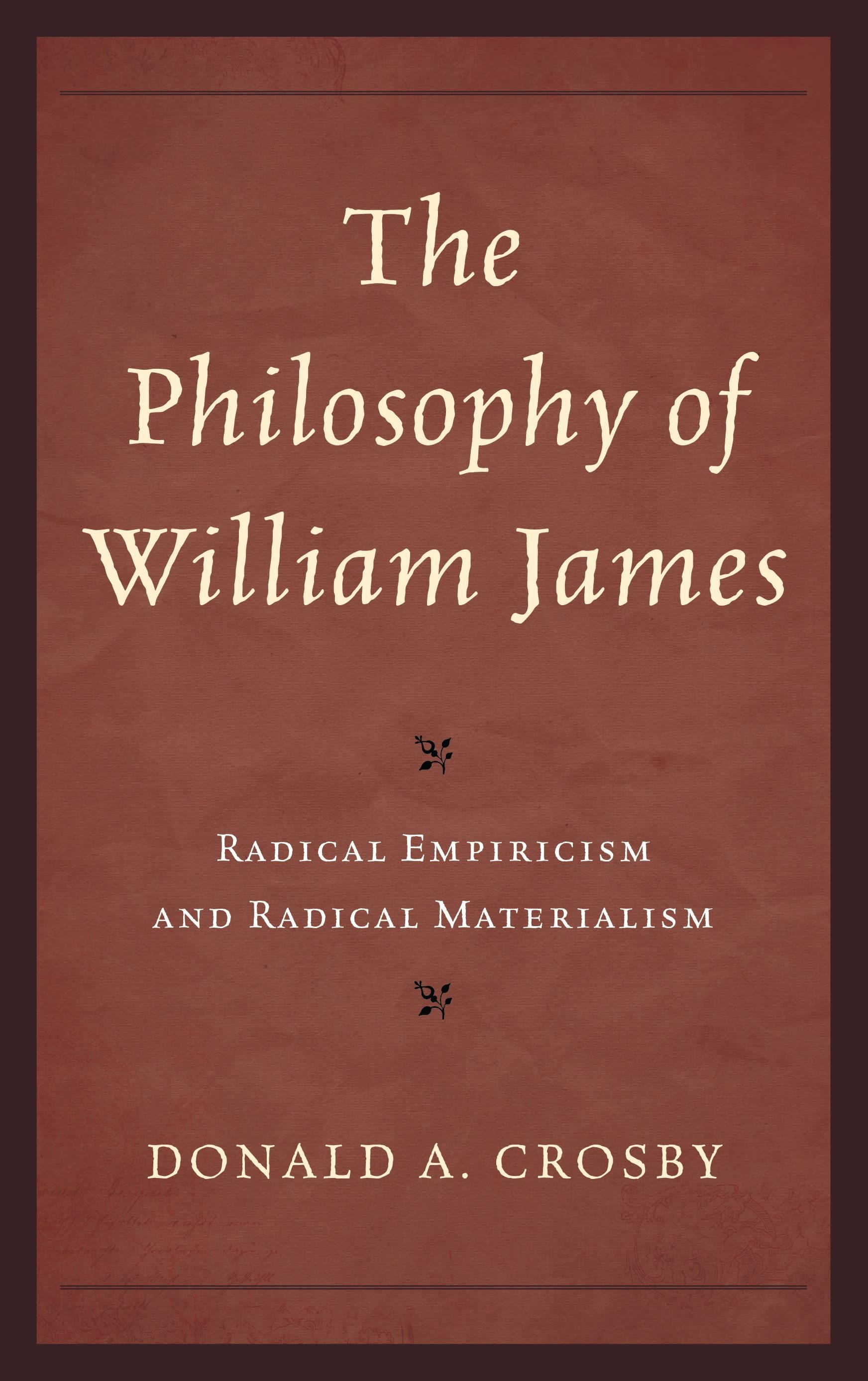
The focus in this book is on the philosophy of William James as it relates to his conceptions of “pure” and ordinary experience, the respective natures of self and world, the interrelations of experience, self, and world, the awareness of a common world by two or more selves, and the extent to which and means by which those selves can gain access to one another’s personal consciousness. The book provides explications and critical interpretations of these themes in James’s philosophy and, when appropriate, makes substantive suggestions for their clarification and improvement. It defends the thesis that these themes offer a promising basis for building a credible philosophy of mind and its relations to the world, including its relations to other minds in the world. It considers at length two recent objections to empiricism as an epistemological program and defends empiricism in general and James’s brand of empiricism in particular (what he called radical empiricism) against these objections. Finally, it argues the need for and sketches some outlines for a greatly expanded, enriched, and multi-dimensional radical materialism and shows why and how the development of such a materialistic metaphysics can be integrated with James’s philosophy of radical empiricism.
Paga fácilmente con tarjeta, Klarna, Apple Pay o Google Pay. ¿No estás contento? Siempre tienes 14 días de garantía de devolución. Lee más en nuestros términos. Si tienes preguntas, escríbenos a hello@memmo.org.
Memmo hace que estudiar sea más fácil, estés donde estés. Aquí tienes tus libros de texto y herramientas de estudio inteligentes en un solo lugar: resúmenes, quizzes, podcasts y flashcards. Y también a Ted, tu compañero de estudio que responde a todo lo que te preguntes. Más de 50 000 estudiantes ya estudian aquí. Está hecho para que aprendas más rápido y te estreses menos.