
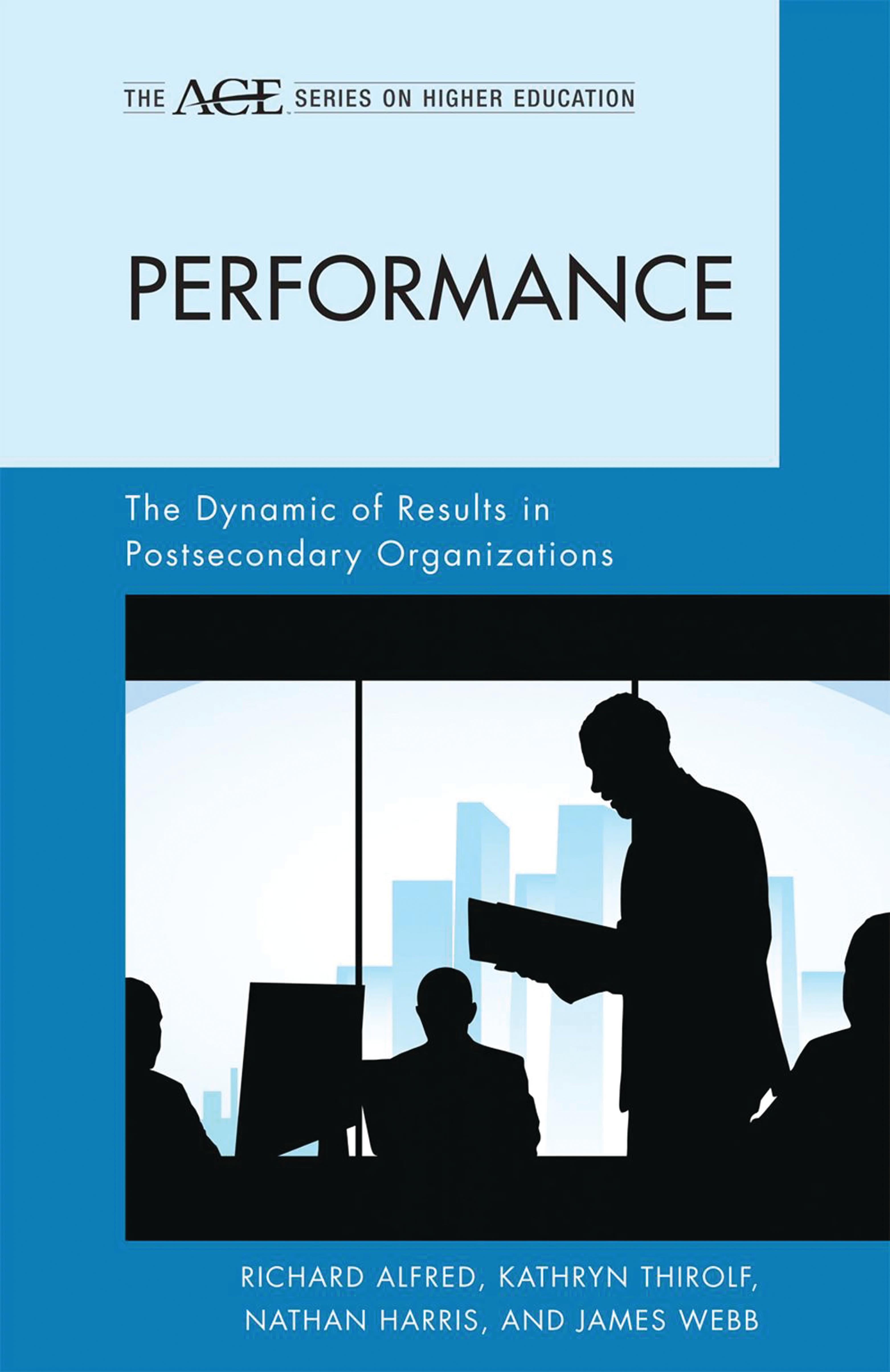
Understanding performance requires asking fundamental questions about the nature and purpose of an organization: What is its business? Whom does it serve? What do stakeholders want and expect? What do they get? How does the organization conceive of and measure results? How do stakeholders feel about results the organization is generating? Answers to these questions require a framework for analysis comprised of three essential ingredients: stakeholders, results and improvement strategies.
Organizational performance is given segmental treatment in literature and research. Numerous articles and books have been written on related topics such as outcomes assessment, organizational effectiveness, and cost-benefit analysis, but each approaches the subject from a singular perspective. In this book, organizational performance is viewed through multiple lenses so that its different dimensions can be understood and appreciated. The view is broad and far-reaching in the beginning and specific toward the end, where actions organizations can take to improve performance are described. Recognizing that performance is context specific, colleges and universities are used in this book as the medium for examining performance.
This book is written for current and future leaders in profit and non-profit organizations who find scholarly books unimaginative, protracted, and detached from practice. Senior executives, while familiar with many of the basic concepts, will find exceptions to current conceptions of organizational performance and practices used to measure and report performance. Performance: The Dynamic of Results in Postsecondary Organizations will be particularly useful to: college and university administrators; corporate executives and managers; managers in non-profit,policy making and advocacy organizations; graduate program faculty and students; and management consulting organizations.
Organizational performance is given segmental treatment in literature and research. Numerous articles and books have been written on related topics such as outcomes assessment, organizational effectiveness, and cost-benefit analysis, but each approaches the subject from a singular perspective. In this book, organizational performance is viewed through multiple lenses so that its different dimensions can be understood and appreciated. The view is broad and far-reaching in the beginning and specific toward the end, where actions organizations can take to improve performance are described. Recognizing that performance is context specific, colleges and universities are used in this book as the medium for examining performance.
This book is written for current and future leaders in profit and non-profit organizations who find scholarly books unimaginative, protracted, and detached from practice. Senior executives, while familiar with many of the basic concepts, will find exceptions to current conceptions of organizational performance and practices used to measure and report performance. Performance: The Dynamic of Results in Postsecondary Organizations will be particularly useful to: college and university administrators; corporate executives and managers; managers in non-profit,policy making and advocacy organizations; graduate program faculty and students; and management consulting organizations.
Paga fácilmente con tarjeta, Klarna, Apple Pay o Google Pay. ¿No estás contento? Siempre tienes 14 días de garantía de devolución. Lee más en nuestros términos. Si tienes preguntas, escríbenos a hello@memmo.org.
Memmo hace que estudiar sea más fácil, estés donde estés. Aquí tienes tus libros de texto y herramientas de estudio inteligentes en un solo lugar: resúmenes, quizzes, podcasts y flashcards. Y también a Ted, tu compañero de estudio que responde a todo lo que te preguntes. Más de 50 000 estudiantes ya estudian aquí. Está hecho para que aprendas más rápido y te estreses menos.