
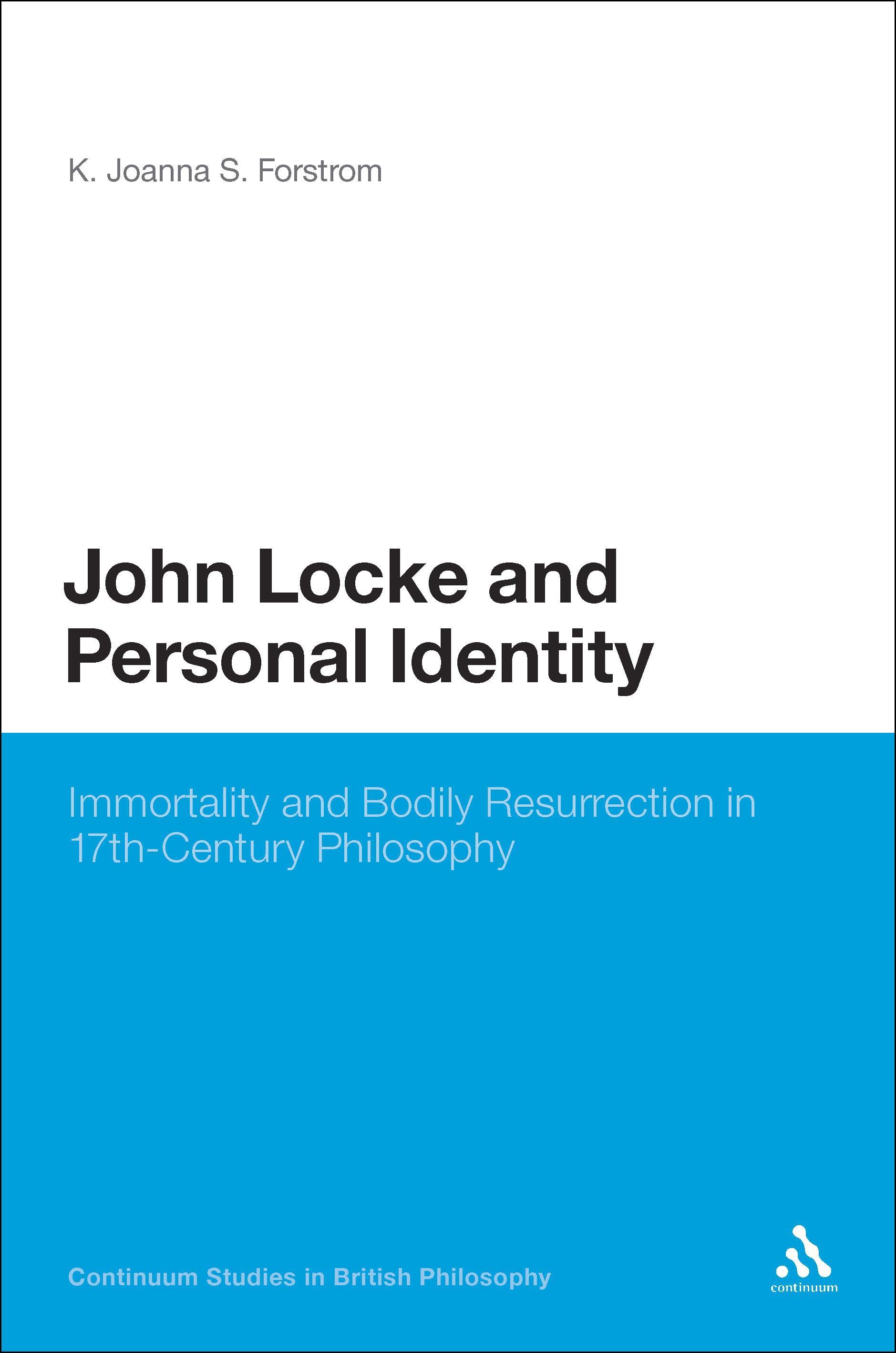
One of the most influential debates in John Locke's work is the problem of personal identity over time. This problem is that of how a person at one time is the same person later in time, and so can be held responsible for past actions. The time of most concern for Locke is that of the general resurrection promised in the New Testament. Given the turbulence of the Reformation and the formation of new approaches to the Bible, many philosophers and scientists paid careful attention to emerging orthodoxies or heterodoxies about death. Here K. Joanna S. Forstrom examines the interrelated positions of Rene Descartes, Thomas Hobbes, Henry More and Robert Boyle in their individual contexts and in Locke's treatment of them. She argues that, in this way, we can better understand Locke and his position on personal identity and immortality. Once his unique take is understood and grounded in his own theological convictions (or lack thereof), we can better evaluate Locke and defend him against classic objections to his thought.
Paga fácilmente con tarjeta, Klarna, Apple Pay o Google Pay. ¿No estás contento? Siempre tienes 14 días de garantía de devolución. Lee más en nuestros términos. Si tienes preguntas, escríbenos a hello@memmo.org.
Memmo hace que estudiar sea más fácil, estés donde estés. Aquí tienes tus libros de texto y herramientas de estudio inteligentes en un solo lugar: resúmenes, quizzes, podcasts y flashcards. Y también a Ted, tu compañero de estudio que responde a todo lo que te preguntes. Más de 50 000 estudiantes ya estudian aquí. Está hecho para que aprendas más rápido y te estreses menos.