
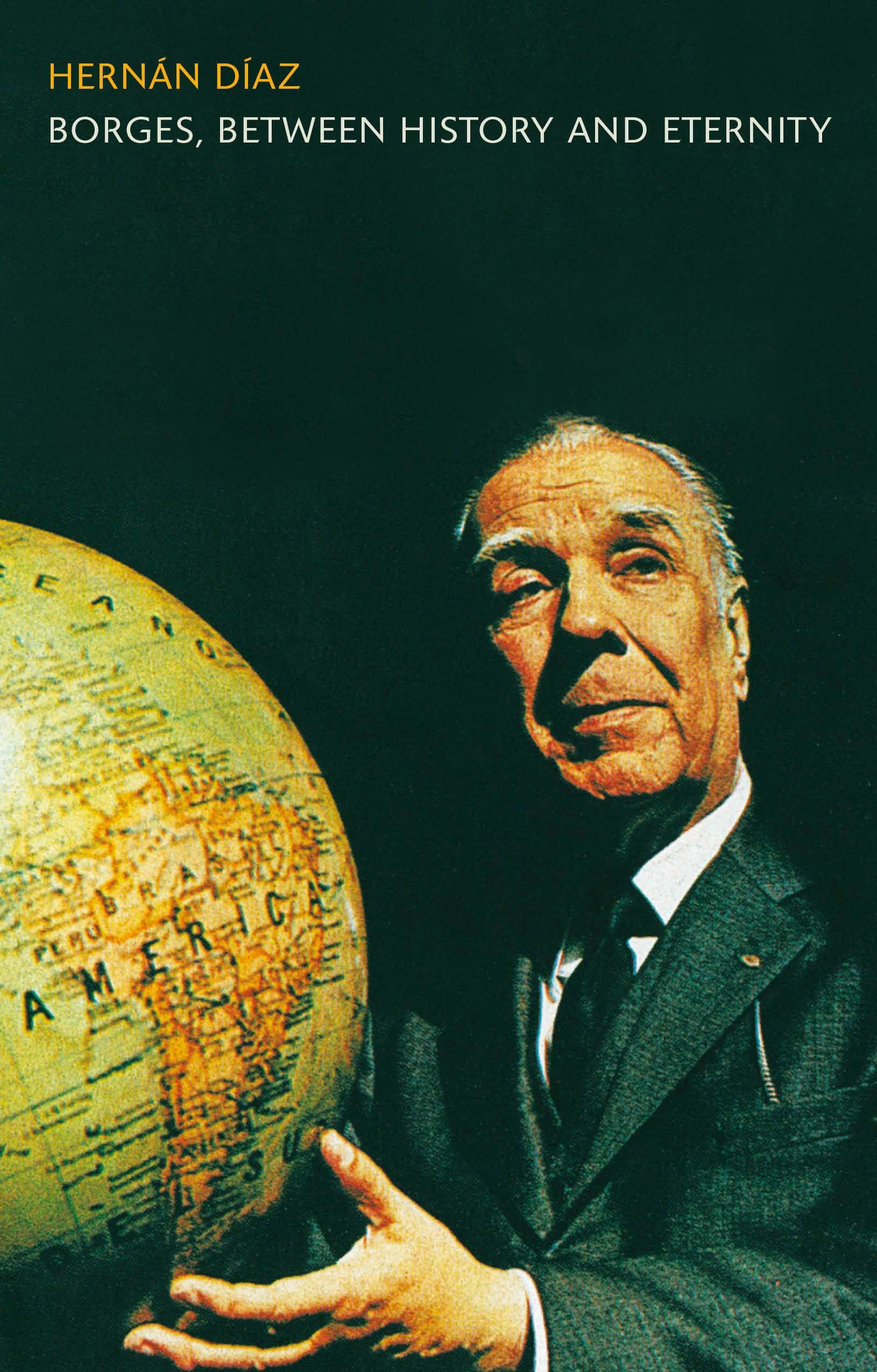
That Borges is one of the key figures in 20th-century literature is beyond debate. The reasons behind this claim, however, are a matter of contention. In Latin America he is read as someone who reorganized the canon, questioned literary hierarchies, and redefined the role of marginal literatures. On the other hand, in the rest of the world, most readers (and dictionaries) tend to identify the adjective "Borgesian" with intricate metaphysical puzzles and labyrinthine speculations of universal reach, completely detached from particular traditions. One reading is context-saturated, while the other is context-deprived. Oddly enough, these "institutional" and "transcendental" approaches have not been pitched against each other in a critical way. Borges, between History and Eternity brings these perspectives together by considering key aspects of Borges's work-the reciprocal determinations of politics, philosophy and literature; the simultaneously confining and emancipating nature of language; and the incipient program for a literature of the Americas.
Paga fácilmente con tarjeta, Klarna, Apple Pay o Google Pay. ¿No estás contento? Siempre tienes 14 días de garantía de devolución. Lee más en nuestros términos. Si tienes preguntas, escríbenos a hello@memmo.org.
Memmo hace que estudiar sea más fácil, estés donde estés. Aquí tienes tus libros de texto y herramientas de estudio inteligentes en un solo lugar: resúmenes, quizzes, podcasts y flashcards. Y también a Ted, tu compañero de estudio que responde a todo lo que te preguntes. Más de 50 000 estudiantes ya estudian aquí. Está hecho para que aprendas más rápido y te estreses menos.