
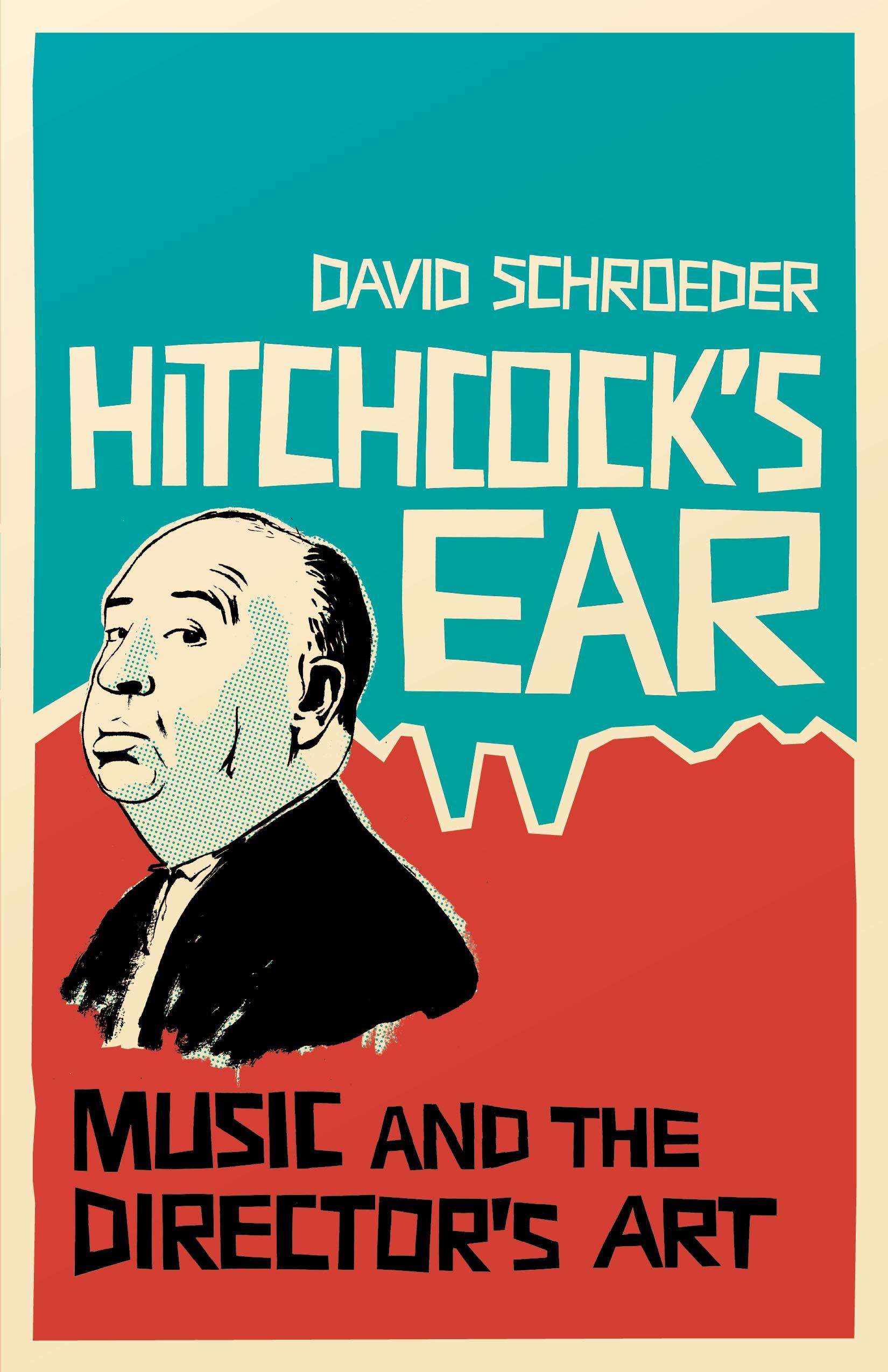
Alfred Hitchcock liked to describe his work as a director in musical terms; for some of his films, it appears that he started with an underlying musical conception, and transformed that sense of music into visual images. The director's favorite scenes lacked dialogue, and they made their impact through a combination of non-verbal actions and music. For example, the waltz and the piano are used as powerful images in silent films, and this approach carries over into sound films. Looking at such films as Vertigo, Rear Window, and Shadow of a Doubt, Schroeder provides a unique look at the way that Hitchcock thought about cinema in musical terms.
Paga fácilmente con tarjeta, Klarna, Apple Pay o Google Pay. ¿No estás contento? Siempre tienes 14 días de garantía de devolución. Lee más en nuestros términos. Si tienes preguntas, escríbenos a hello@memmo.org.
Memmo hace que estudiar sea más fácil, estés donde estés. Aquí tienes tus libros de texto y herramientas de estudio inteligentes en un solo lugar: resúmenes, quizzes, podcasts y flashcards. Y también a Ted, tu compañero de estudio que responde a todo lo que te preguntes. Más de 50 000 estudiantes ya estudian aquí. Está hecho para que aprendas más rápido y te estreses menos.