
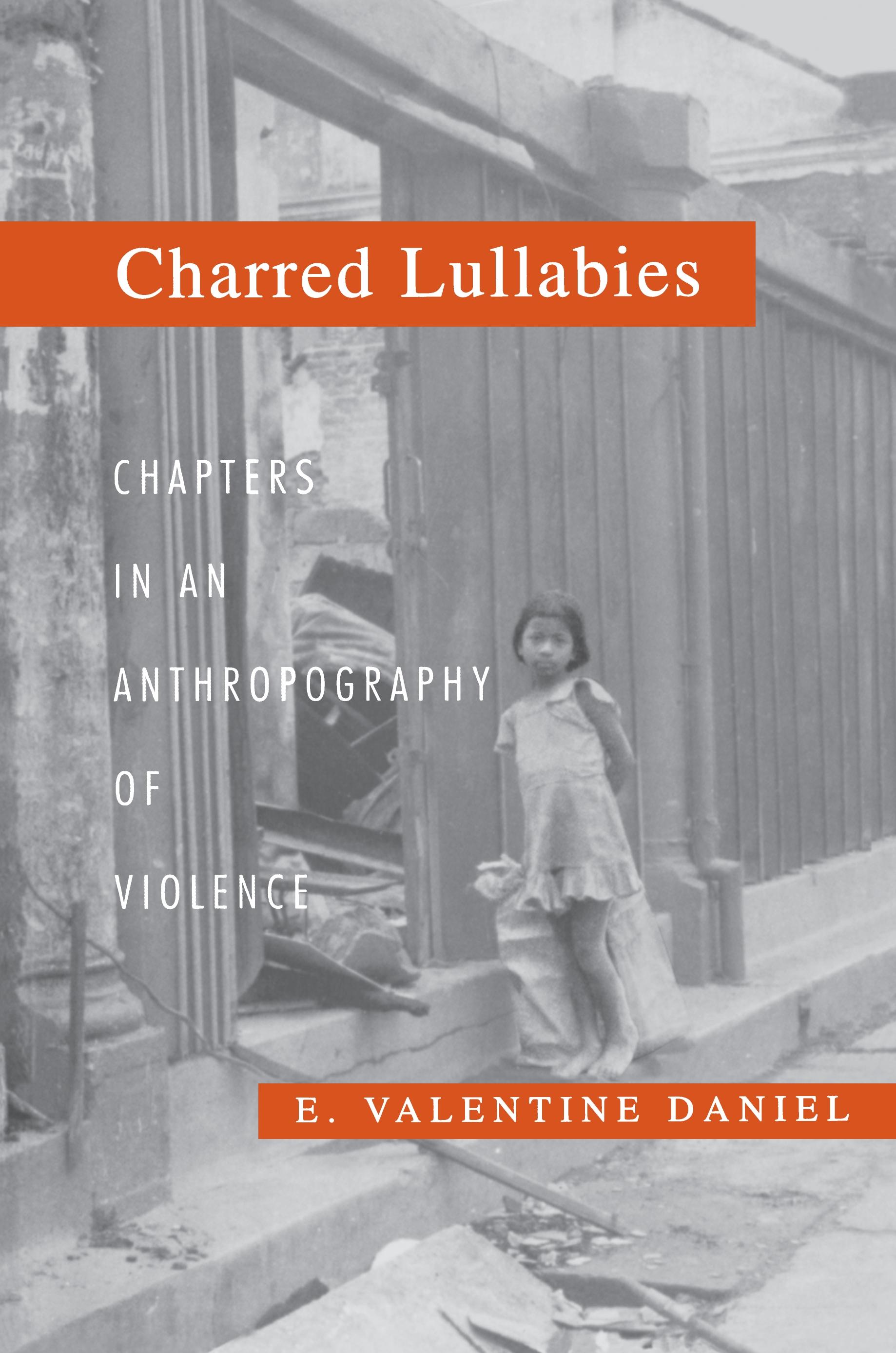
How does an ethnographer write about violence? How can he make sense of violent acts, for himself and for his readers, without compromising its sheer excess and its meaning-defying core? How can he remain a scholarly observer when the country of his birth is engulfed by terror? These are some of the questions that engage Valentine Daniel in this exploration of life and death in contemporary Sri Lanka. In 1983 Daniel "walked into the ashes and mortal residue" of the violence that had occurred in his homeland. His planned project--the study of women's folk songs as ethnohistory--was immediately displaced by the responsibility that he felt had been given to him, by surviving family members and friends of victims, to recount beyond Sri Lanka what he had seen and heard there. Trained to do fieldwork by staying in one place and educated to look for coherence and meaning in human behavior, what does an anthropologist do when he is forced by circumstances to keep moving, searching for reasons he never finds? How does he write an ethnography (or an anthropography, to use the author's term) without transforming it into a pornography of violence? In avoiding fattening the anthropography into prurience, how does he avoid flattening it with theory? The ways in which Daniel grapples with these questions, and their answers, instill this groundbreaking book with a rare sense of passion, purpose, and intellect.
Paga fácilmente con tarjeta, Klarna, Apple Pay o Google Pay. ¿No estás contento? Siempre tienes 14 días de garantía de devolución. Lee más en nuestros términos. Si tienes preguntas, escríbenos a hello@memmo.org.
Memmo hace que estudiar sea más fácil, estés donde estés. Aquí tienes tus libros de texto y herramientas de estudio inteligentes en un solo lugar: resúmenes, quizzes, podcasts y flashcards. Y también a Ted, tu compañero de estudio que responde a todo lo que te preguntes. Más de 50 000 estudiantes ya estudian aquí. Está hecho para que aprendas más rápido y te estreses menos.